The ketogenic diet, often called “keto,” has gained widespread attention in recent years as a way to support weight management and overall wellness. While it may seem like a modern trend, the principles behind keto have been studied for decades. Understanding how it works, what it involves, and who it may suit can help you decide whether it is a good fit for your lifestyle.
At its core, the ketogenic diet is a low-carbohydrate, high-fat eating approach. The goal is to shift the body’s primary fuel source from carbohydrates to fats. Under normal conditions, the body breaks down carbohydrates into glucose, which is used for energy. However, when carbohydrate intake is significantly reduced, the body enters a metabolic state known as ketosis. In this state, the liver produces compounds called ketones from fat, which then become the main source of energy.
This shift in metabolism is what makes keto unique. Instead of relying on quick-burning carbohydrates, the body becomes more efficient at using stored fat. Many people are drawn to keto for its potential to support weight loss, but it can also influence energy levels, appetite, and certain health markers.
A typical ketogenic diet emphasizes foods that are rich in healthy fats while limiting carbohydrates. Common foods include avocados, nuts, seeds, oils, eggs, meat, poultry, and fatty fish. Low-carbohydrate vegetables such as leafy greens, broccoli, and zucchini are also included. On the other hand, foods high in carbohydrates like bread, pasta, rice, sugary snacks, and most fruits are limited or avoided.
One of the reasons people find keto appealing is its potential effect on appetite. Fat and protein tend to be more satisfying than carbohydrates, which may help some individuals feel full longer. This can naturally lead to a reduction in overall calorie intake without the need for strict portion control. However, experiences can vary, and it is important to approach any dietary change with awareness and balance.
When starting keto, the body may take time to adjust. During the initial phase, some people experience temporary symptoms such as fatigue, headaches, or irritability. This is sometimes referred to as the “keto flu,” although it is not an actual illness. Staying hydrated, ensuring adequate intake of electrolytes, and easing into the diet can help minimize discomfort during this transition period.
It is also important to consider the quality of fats consumed on a ketogenic diet. Not all fats are the same. Emphasizing sources like olive oil, avocados, nuts, and fatty fish can support a more balanced approach. Highly processed foods and trans fats are best limited, even if they technically fit within keto guidelines. A thoughtful approach helps maintain overall nutritional quality.
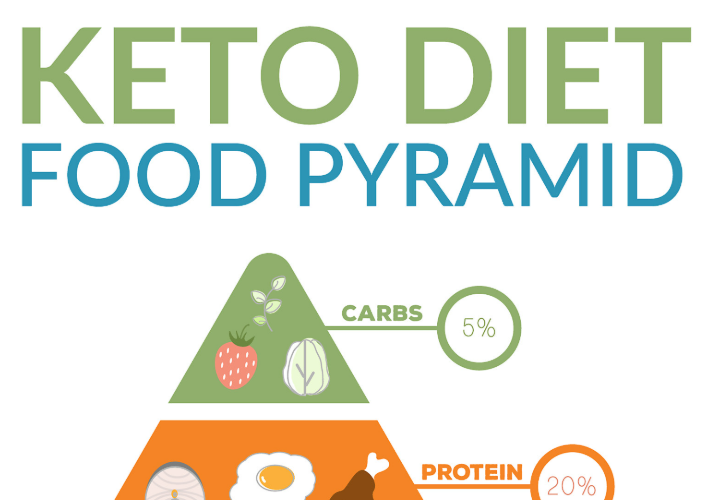
Another key aspect of keto is maintaining the right balance of macronutrients. While exact ratios can vary, many people aim for a diet that includes a high percentage of calories from fat, a moderate amount from protein, and a very low amount from carbohydrates. Tracking intake can be helpful at the beginning, but over time, many individuals learn to recognize which foods support their goals.
Despite its popularity, keto is not a one-size-fits-all solution. Different bodies respond in different ways. Some people thrive on a ketogenic diet, reporting steady energy levels and improved focus. Others may find it challenging to maintain or may prefer a more moderate approach to carbohydrates. Listening to your body and making adjustments as needed is essential.
It is also worth noting that long-term sustainability is an important factor in any eating pattern. A diet that feels overly restrictive can be difficult to maintain over time. For some, a flexible or cyclical approach to keto may feel more manageable, allowing for occasional adjustments while still prioritizing lower carbohydrate intake overall.
Before making significant dietary changes, it can be helpful to consider your personal goals and health needs. Consulting with a qualified healthcare professional or registered dietitian can provide personalized guidance, especially if you have underlying health conditions or specific nutritional requirements. This ensures that your approach is both safe and effective.
In addition to food choices, lifestyle factors such as sleep, stress management, and physical activity play an important role in overall well-being. Keto can be one piece of a larger wellness plan, but it works best when combined with healthy habits that support your body as a whole.
As with any dietary approach, balance and mindfulness are key. Rather than focusing solely on restrictions, it can be helpful to think about what you are adding to your routine. Nutrient-dense foods, adequate hydration, and a positive relationship with food all contribute to a more sustainable experience.
In summary, the ketogenic diet is a structured way of eating that shifts the body into a fat-burning state called ketosis. By reducing carbohydrate intake and increasing healthy fats, it offers a different approach to fueling the body. While it may provide benefits for some individuals, it is important to approach it thoughtfully and consider your own preferences and needs.
A clear understanding of keto can help you make informed decisions and avoid common misconceptions. Whether you choose to follow it strictly, adapt certain principles, or explore other dietary patterns, the most important goal is to find an approach that supports your health, fits your lifestyle, and feels sustainable over time.