The ketogenic diet, often called keto, has become a popular way of eating for people seeking better energy, weight management, and overall wellness. While it may sound complex at first, keto nutrition can be understood in simple, practical terms. At its core, keto is about shifting how your body fuels itself, moving away from carbohydrates and toward fats as the primary source of energy. This guide explains the basics in a clear and friendly way so you can decide whether it might be a good fit for your lifestyle.
Under normal conditions, the body relies on carbohydrates for fuel. Foods like bread, pasta, rice, and sugar break down into glucose, which your body uses for energy. When carbohydrate intake is significantly reduced, the body enters a state called ketosis. In this state, fat is converted into molecules called ketones, which become the main energy source. This metabolic shift is the foundation of keto nutrition.
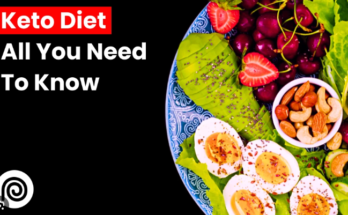
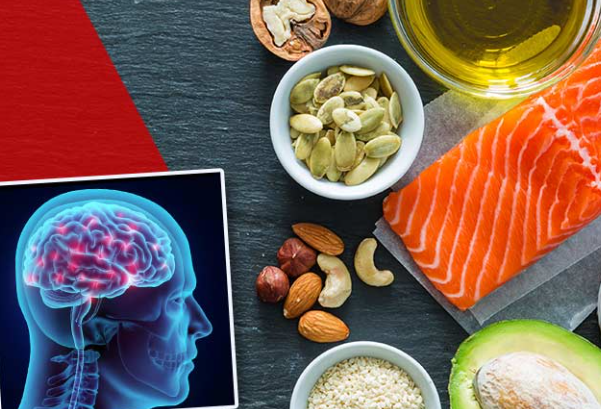
A typical ketogenic diet focuses on high fat, moderate protein, and very low carbohydrate intake. While exact ratios can vary, many people aim for around 70 to 75 percent of their calories from fat, 20 to 25 percent from protein, and about 5 to 10 percent from carbohydrates. This means meals are built around foods like avocados, nuts, seeds, oils, eggs, fish, and meat, along with low-carb vegetables such as leafy greens, zucchini, and broccoli.
One of the appealing aspects of keto is that it encourages whole, minimally processed foods. Healthy fats like olive oil and butter add flavor and satisfaction to meals, helping many people feel full longer. Protein supports muscle maintenance, while low-carb vegetables provide essential nutrients and fiber. By reducing sugar and refined carbohydrates, many individuals find their energy levels become more stable throughout the day.
Starting keto can feel like a big change, especially if you are used to a carbohydrate-heavy diet. During the first few days, some people experience what is often called the “keto flu.” This can include temporary symptoms like fatigue, headaches, or irritability as the body adapts to using fat for fuel. Staying hydrated, getting enough electrolytes, and easing into the diet gradually can help minimize these effects.
Planning meals ahead of time can make keto much easier to follow. A simple breakfast might include eggs cooked in butter with spinach and avocado. Lunch could be a salad with grilled chicken, olive oil, and a handful of nuts. Dinner might feature salmon with roasted vegetables and a creamy sauce. Snacks, if needed, can include cheese, boiled eggs, or small portions of nuts. Keeping meals simple and satisfying helps maintain consistency.
It is also important to pay attention to hidden carbohydrates. Many packaged foods contain added sugars or starches, even when they seem healthy. Reading labels and focusing on whole foods can help you stay within your carbohydrate goals. Beverages are another area to watch. Water, unsweetened tea, and black coffee are great choices, while sugary drinks can quickly disrupt ketosis.
Keto nutrition may offer several potential benefits. Some people turn to keto for weight management, as the diet can help reduce appetite and encourage the body to burn stored fat. Others report improved mental clarity and steady energy levels. There is also ongoing research into how ketogenic diets may support certain medical conditions, although anyone considering keto for health reasons should consult a qualified professional.
Despite its benefits, keto is not a one-size-fits-all approach. It may not be suitable for everyone, especially individuals with certain medical conditions or specific dietary needs. It is always a good idea to speak with a healthcare provider or registered dietitian before making significant changes to your eating habits. They can help ensure that your nutritional needs are met and guide you in a safe and balanced way.
Sustainability is another important factor to consider. Some people follow keto long term, while others use it as a short-term strategy before transitioning to a more moderate approach. Listening to your body and finding a way of eating that feels realistic and enjoyable is key. Flexibility can help you maintain healthy habits over time without feeling restricted.
Social situations and dining out can require a bit of creativity on keto, but they are manageable with some planning. Many restaurants offer options that can be adapted, such as choosing grilled proteins with vegetables instead of starchy sides. Asking for dressings or sauces on the side can also help you control ingredients. Over time, these choices become more natural and easier to navigate.
Another helpful tip is to focus on what you can enjoy rather than what you are avoiding. Keto-friendly meals can be rich, flavorful, and satisfying. Dishes like cauliflower mash, zucchini noodles, and lettuce-wrapped burgers provide comforting alternatives to traditional favorites. Exploring new recipes can make the experience enjoyable and keep your meals interesting.
Hydration plays an important role in keto nutrition. As carbohydrate intake decreases, the body releases stored water, which can increase the need for fluids. Drinking enough water and maintaining a balance of electrolytes such as sodium, potassium, and magnesium can support overall well-being and help prevent discomfort.
Tracking your progress can also be motivating. Some people monitor their carbohydrate intake or use tools to measure ketone levels, while others simply pay attention to how they feel. There is no single right way to approach this. The most important thing is to stay mindful and adjust as needed based on your personal goals and experiences.
In conclusion, keto nutrition is a way of eating that emphasizes healthy fats, moderate protein, and low carbohydrates to encourage the body to use fat as its primary fuel source. While it may take some time to adapt, many people find it to be a satisfying and effective approach when done thoughtfully. By focusing on whole foods, planning meals, and listening to your body, you can explore keto in a balanced and sustainable way. Whether you are curious about trying it or simply want to learn more, understanding the basics is the first step toward making informed choices about your nutrition.