The ketogenic, or keto, diet has become one of the most talked-about approaches to eating in recent years. While it may sound complicated at first, the core idea is actually quite simple. Keto nutrition focuses on changing the way your body gets energy by reducing carbohydrates and increasing healthy fats. With the right understanding and a balanced approach, it can be a sustainable and enjoyable way to support your health goals.
At its foundation, the keto diet is based on a metabolic state called ketosis. Normally, your body uses carbohydrates as its primary source of fuel. When you eat foods like rice, bread, or sugar, your body breaks them down into glucose, which provides quick energy. However, when carbohydrate intake is significantly reduced, the body begins to look for an alternative energy source. This is where fats come in. The liver converts fats into molecules called ketones, which the body can use for fuel instead of glucose.
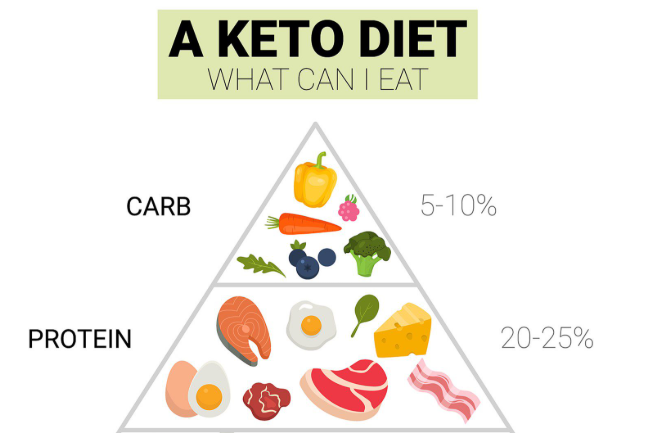
A typical keto diet involves consuming a high percentage of calories from fat, a moderate amount from protein, and a very low amount from carbohydrates. While exact ratios can vary, many people aim for about 70 to 75 percent of their daily calories from fat, 20 to 25 percent from protein, and only 5 to 10 percent from carbohydrates. This shift encourages the body to enter and maintain ketosis.
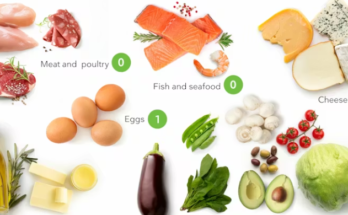
One of the appealing aspects of keto nutrition is that it includes many satisfying and flavorful foods. Healthy fat sources such as avocados, nuts, seeds, olive oil, and fatty fish are commonly enjoyed. Protein can come from eggs, poultry, meat, and plant-based options. Low-carbohydrate vegetables like leafy greens, broccoli, cauliflower, and zucchini are also staples, providing important nutrients and fiber.
At the same time, certain foods are limited or avoided because of their high carbohydrate content. These include sugary snacks, soft drinks, baked goods, and many processed foods. Grains such as rice, wheat, and corn are also typically reduced, along with most fruits, especially those high in natural sugars. However, small portions of berries can sometimes be included, depending on individual preferences and goals.
Transitioning into keto nutrition may take some adjustment. In the early stages, some people experience temporary symptoms often referred to as the “keto flu.” These can include fatigue, headaches, and irritability as the body adapts to using fat for fuel instead of carbohydrates. Staying hydrated, getting enough electrolytes, and gradually reducing carbohydrate intake can help ease this transition.
One of the reasons people are drawn to keto nutrition is its potential to support weight management. Because fat and protein are generally more filling than carbohydrates, many individuals find that they feel satisfied with fewer meals or snacks. This can naturally lead to a reduction in overall calorie intake without the need for strict portion control. Additionally, stabilizing blood sugar levels may help reduce cravings for sugary foods.
Beyond weight management, some people explore keto nutrition for its potential effects on energy levels and mental clarity. Once fully adapted to ketosis, the body can access a steady supply of energy from stored fat. Some individuals report feeling more focused and less prone to energy crashes throughout the day. However, experiences can vary, and it is important to listen to your body and adjust as needed.
While keto nutrition can offer benefits, it is not a one-size-fits-all approach. Individual needs can differ based on factors such as age, activity level, and overall health. It is important to ensure that meals remain balanced and nutrient-rich. Including a variety of whole foods helps provide essential vitamins and minerals that support long-term well-being.
Planning ahead can make keto nutrition easier to follow. Preparing meals at home allows you to control ingredients and portion sizes. Reading food labels can also help you identify hidden sugars and carbohydrates in packaged products. Over time, many people become more familiar with which foods fit their lifestyle and develop routines that work for them.
It is also helpful to approach keto nutrition with flexibility and a positive mindset. Rather than focusing on restriction, think of it as an opportunity to explore new recipes and flavors. Many delicious meals can be created using simple, wholesome ingredients. For example, a hearty salad with grilled chicken, avocado, and olive oil dressing can be both satisfying and nourishing.
If you are considering keto nutrition, it may be useful to start gradually. Reducing carbohydrate intake step by step can help your body adjust more comfortably. Keeping track of how you feel can provide insight into what works best for you. Some people choose to follow a strict keto plan, while others adopt a more moderate low-carbohydrate approach.
It is always a good idea to seek guidance from a qualified professional if you have specific health concerns or conditions. Personalized advice can help ensure that your approach to nutrition aligns with your individual needs and goals.
In the long term, the most important aspect of any eating pattern is sustainability. Keto nutrition can be effective when it fits your lifestyle and preferences. By focusing on whole foods, staying mindful of your body’s signals, and maintaining a balanced perspective, you can create a way of eating that supports both your health and your enjoyment of food.
Keto nutrition does not have to be complicated or overwhelming. With a basic understanding of how it works and a willingness to experiment, you can discover whether it is a good fit for you. The journey toward healthier eating is personal, and finding an approach that feels both satisfying and sustainable is what truly matters.