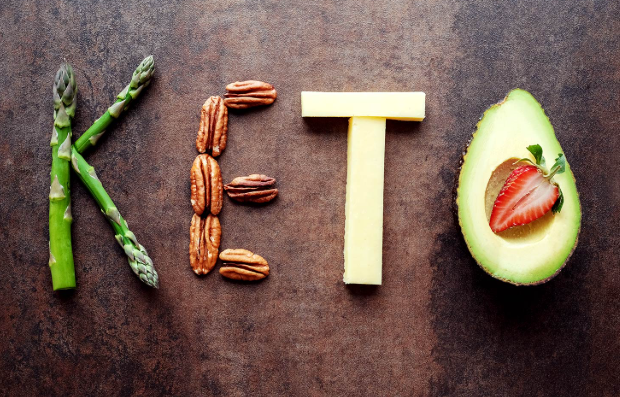
Keto eating, short for the ketogenic diet, has become a popular way for many people to rethink how they approach food. At its core, keto is not about strict deprivation or complicated rules, but rather a shift in how the body uses energy. By understanding the basics in a simple and balanced way, anyone can decide if this approach fits their lifestyle.
The ketogenic diet focuses on reducing carbohydrates while increasing healthy fats, with a moderate intake of protein. Normally, the body relies on carbohydrates as its main source of fuel. When carbs are limited, the body enters a state called ketosis, where it begins to burn fat for energy instead. This process can sound technical, but in everyday terms, it simply means your body adapts to using a different fuel source.
A typical keto-style meal often includes foods like eggs, fish, meat, nuts, seeds, and low-carbohydrate vegetables such as leafy greens. Healthy fats like avocado, olive oil, and butter are also central to this way of eating. Foods that are usually limited include bread, pasta, sugary snacks, and starchy items like potatoes or rice. The goal is not perfection, but consistency in choosing foods that align with the lower-carb approach.
One reason people are drawn to keto eating is its simplicity once the basics are understood. Instead of counting calories in detail, many focus on reducing carbohydrates and choosing satisfying foods. Meals can feel rich and filling, which may help reduce the urge to snack frequently. This can create a more mindful relationship with eating, where quality matters more than quantity.
It is important to approach keto eating with balance and awareness. Not all fats are equal, and choosing wholesome sources is key. Incorporating a variety of vegetables ensures that the body still receives essential nutrients. Drinking enough water and maintaining a balanced intake of electrolytes can also support overall well-being while following this approach.
For beginners, the transition into keto eating may take a little time. Some people notice temporary changes as their bodies adjust, such as shifts in energy levels. These changes are often short-lived and can be managed by staying hydrated and eating balanced meals. Listening to your body during this phase is helpful, as everyone’s experience can be slightly different.
Planning meals ahead can make keto eating easier to maintain. Simple dishes like grilled chicken with vegetables, omelets with cheese and spinach, or salads topped with healthy fats can become go-to options. Over time, many people find a rhythm that works for them, making the diet feel less like a plan and more like a natural routine.
Keto eating can also be adapted to different preferences. Whether someone prefers home-cooked meals or needs quick options for a busy schedule, there are ways to adjust while still following the general principles. The flexibility of food choices allows individuals to tailor their meals to suit their tastes and needs.
It is always a good idea to approach any dietary change thoughtfully. Learning about food choices, understanding portion sizes, and considering personal health goals can help create a more positive experience. If needed, seeking advice from a qualified professional can provide additional guidance tailored to individual circumstances.
Another helpful aspect of keto eating is its focus on whole, unprocessed foods. By emphasizing ingredients that are closer to their natural state, it encourages a more intentional way of eating. This shift can help people become more aware of what they are consuming and how it affects their daily lives.
Social situations and dining out can still be enjoyable while following a keto lifestyle. Many restaurants offer options that can be adapted, such as choosing grilled proteins with vegetables instead of high-carb sides. With a bit of planning, it is possible to stay consistent without feeling restricted or excluded.
Over time, many individuals find that keto eating becomes easier as they learn which foods work best for them. Building a list of favorite meals and snacks can simplify decision-making and reduce uncertainty. This familiarity can make the overall experience more sustainable and enjoyable.
It is also worth noting that keto eating is just one of many approaches to nutrition. What works well for one person may not be ideal for another. The key is to find a balanced approach that supports your goals, preferences, and lifestyle in a realistic way.
In summary, keto eating offers a different perspective on how the body can use food for energy. By focusing on reducing carbohydrates and incorporating healthy fats, it encourages a shift toward more mindful eating habits. With a simple understanding of its principles, thoughtful planning, and a flexible mindset, it can become a manageable and even enjoyable way to approach daily meals.