The ketogenic diet, often called keto, has gained attention for its simple idea: change the way your body gets energy. Instead of relying mainly on carbohydrates, keto encourages your body to use fat as its primary fuel source. While that might sound complicated at first, the basics are actually easy to understand when broken down into everyday terms.
At its core, keto is about shifting your metabolism. Normally, your body turns carbohydrates into glucose, which it uses for energy. When you significantly reduce your carbohydrate intake, your body begins to look for an alternative fuel source. That alternative is fat. As fat is broken down, your liver produces compounds called ketones, which your body can use for energy. This state is known as ketosis.
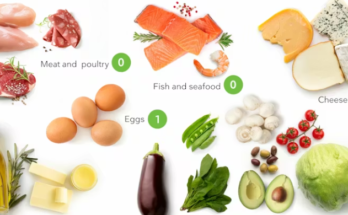
To reach ketosis, most people reduce their daily carbohydrate intake to around 20 to 50 grams. This means cutting back on foods like bread, pasta, rice, sugary snacks, and many processed foods. Instead, the focus shifts toward foods that are higher in healthy fats and moderate in protein. Think of meals built around ingredients like avocados, eggs, fish, nuts, seeds, oils, and low-carb vegetables.
One of the reasons keto appeals to many people is that it can help regulate appetite. Fat and protein tend to be more filling than carbohydrates, which means you may feel satisfied for longer periods. This can naturally lead to eating less without feeling deprived. However, it is still important to listen to your body and eat enough to support your energy needs.
A common misconception is that keto is all about eating large amounts of any fat. In reality, quality matters. Choosing nutrient-dense sources of fat, such as olive oil, fatty fish, nuts, and seeds, helps support overall health. Highly processed foods labeled as “low-carb” or “keto-friendly” can sometimes contain additives or unhealthy fats, so it is wise to read labels and prioritize whole foods whenever possible.
Protein also plays an important role in the keto approach. While keto is not a high-protein diet, it includes moderate amounts to help maintain muscle and support bodily functions. Good sources of protein include poultry, fish, eggs, and plant-based options like tofu or tempeh. Balancing protein intake is key because too much protein can sometimes interfere with ketosis.
Vegetables remain an important part of a keto lifestyle, even though some are higher in carbohydrates than others. Non-starchy vegetables such as leafy greens, broccoli, zucchini, and cauliflower are excellent choices. They provide essential vitamins, minerals, and fiber while keeping carbohydrate intake relatively low. Fiber is especially helpful for digestion and overall gut health.
Hydration is another important but often overlooked aspect of keto. When carbohydrate intake decreases, the body tends to release more water. This can lead to dehydration if fluid intake is not increased. Drinking enough water throughout the day helps maintain energy levels and supports overall well-being. Some people also find it helpful to include electrolytes, especially during the early stages of transitioning into ketosis.
Speaking of the early stages, it is normal to experience some temporary adjustments as your body adapts. This period is sometimes referred to as the “keto transition.” You might feel tired, sluggish, or experience mild headaches for a few days. These symptoms are usually short-lived and can often be eased by staying hydrated and ensuring you are getting enough nutrients.
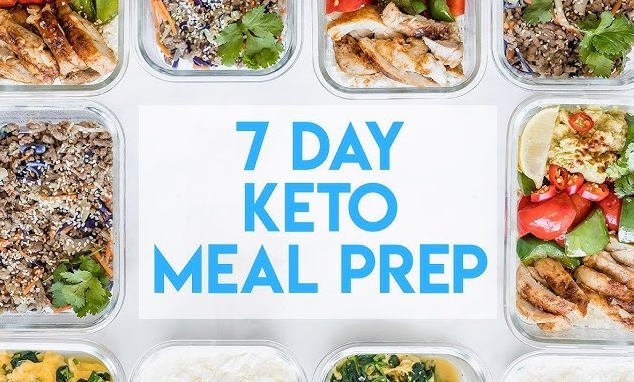
Planning meals can make keto much easier to follow. Simple combinations like grilled chicken with roasted vegetables and a drizzle of olive oil, or scrambled eggs with avocado and spinach, can become go-to options. Keeping meals straightforward reduces stress and helps maintain consistency, which is key for seeing results and feeling your best.
Another helpful tip is to focus on what you can enjoy rather than what you are avoiding. Keto offers a wide variety of satisfying foods and flavors. From creamy sauces to rich textures, meals can be both nourishing and enjoyable. This positive mindset can make a big difference in staying motivated and building sustainable habits.
It is also important to remember that keto is not one-size-fits-all. Everyone’s body responds differently, and what works well for one person may not work the same way for another. Paying attention to how you feel, your energy levels, and your overall health can guide you in adjusting your approach if needed. Some people choose to follow keto strictly, while others adopt a more flexible version that still limits carbohydrates but allows for occasional variations.
Consistency tends to matter more than perfection. Small, steady changes are often more effective than trying to follow strict rules all at once. Gradually reducing carbohydrate intake and learning which foods work best for you can create a smoother transition and help you build long-term habits.
For those considering keto, it can be helpful to start with a clear understanding of your goals. Whether you are interested in managing your weight, supporting energy levels, or simply exploring a new way of eating, having a purpose can keep you focused. At the same time, it is always a good idea to consult with a qualified professional if you have specific health concerns or conditions.
Keto basics are ultimately about simplifying your approach to food. By focusing on whole, nourishing ingredients and understanding how your body uses energy, you can make informed choices that support your lifestyle. There is no need for complicated rules or extreme measures. With a little planning and a balanced perspective, keto can become a practical and approachable way to eat.
In the end, the most important part of any eating pattern is how it fits into your life. Keto can be adapted to suit different preferences and routines, making it a flexible option for many people. By keeping the fundamentals in mind and staying attentive to your body’s needs, you can build a way of eating that feels both manageable and sustainable.