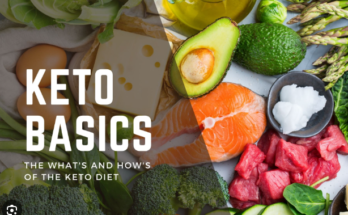
The ketogenic diet, often called keto, has become one of the most talked-about approaches to eating in recent years. While it may seem complicated at first, the core idea is actually simple. The keto diet focuses on reducing carbohydrate intake and replacing it with fats, allowing the body to enter a natural metabolic state known as ketosis. Understanding how this works can make the diet feel far less intimidating and more approachable for beginners.
Under normal circumstances, the body relies on carbohydrates as its main source of energy. Foods like rice, bread, fruit, and sugar are broken down into glucose, which fuels daily activities. When carbohydrate intake is drastically reduced, however, the body must find an alternative energy source. This is where ketosis comes in. During ketosis, the liver converts fat into molecules called ketones, which the body uses as fuel instead of glucose. This shift is what defines the ketogenic diet.
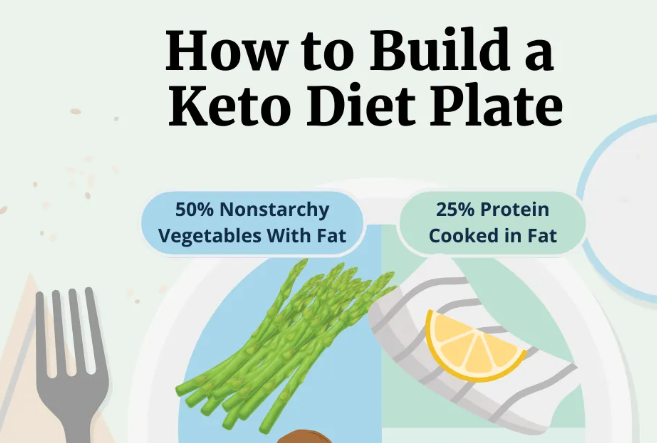
A typical keto diet consists of high fat, moderate protein, and very low carbohydrate intake. While exact ratios can vary depending on personal needs, many people aim for about 70 to 75 percent of their daily calories from fat, 20 to 25 percent from protein, and only 5 to 10 percent from carbohydrates. This means that foods like meat, fish, eggs, butter, nuts, seeds, and low-carb vegetables become staples, while sugary snacks, grains, and most fruits are limited.
One of the reasons people are drawn to the keto diet is its potential to support weight management. When the body uses fat as its primary fuel source, it may become more efficient at burning stored fat. Additionally, many individuals report feeling fuller for longer periods, which can reduce overall calorie intake without strict portion control. It is important to remember, however, that results can vary from person to person, and consistency plays a key role.
Another commonly discussed benefit of keto is stable energy levels throughout the day. Because ketones provide a steady source of fuel, some people experience fewer energy crashes compared to diets high in sugar and refined carbohydrates. This steady energy can also support better focus and concentration for some individuals, though experiences differ based on lifestyle and overall health.
Starting a keto diet often requires an adjustment period. As the body transitions from using glucose to using fat for energy, some people experience temporary symptoms such as fatigue, headaches, or irritability. This phase is sometimes referred to as the “keto flu.” Staying hydrated, getting enough electrolytes, and allowing time for the body to adapt can help ease this transition.
Meal planning is an important part of successfully following a keto lifestyle. Choosing whole, minimally processed foods can make it easier to maintain the right balance of nutrients. For example, a simple meal might include grilled chicken with avocado and leafy greens dressed in olive oil. Snacks could include nuts or cheese in moderate portions. Reading food labels and becoming familiar with carbohydrate content can also help avoid unexpected sources of sugar.
It is also helpful to understand that not all fats are the same. While the keto diet emphasizes fat intake, focusing on healthier sources such as olive oil, avocados, nuts, and fatty fish can support overall well-being. Limiting highly processed fats and maintaining variety in food choices can make the diet more balanced and sustainable in the long term.
Flexibility and personalization are key when approaching keto. Some individuals follow a strict version of the diet, while others adopt a more moderate low-carb approach that still provides benefits without being overly restrictive. Listening to the body and making gradual adjustments can help create a routine that feels realistic and enjoyable rather than overwhelming.
Social situations and dining out can present challenges, especially in the beginning. However, many restaurants offer options that can be adapted to fit keto guidelines, such as choosing protein-based dishes with vegetables instead of starchy sides. Over time, making these choices becomes more natural and less stressful.
It is always wise to approach any dietary change with a balanced mindset. While keto can be effective for some people, it may not be suitable for everyone. Factors such as personal health history, activity level, and individual preferences should all be considered. Consulting a qualified professional can provide guidance tailored to specific needs and goals.
Hydration plays a significant role in supporting the body during keto. Since carbohydrate reduction can lead to changes in water balance, drinking enough fluids is essential. Including foods rich in potassium and magnesium, or ensuring adequate intake through diet, can also help maintain overall balance.
Another important aspect to keep in mind is sustainability. The most successful way of eating is one that can be maintained comfortably over time. For some people, keto becomes a long-term lifestyle, while others may use it as a short-term approach before transitioning to a more moderate plan. There is no single right way, and finding what works best on an individual level is what truly matters.
In summary, the ketogenic diet is built on a simple principle: shifting the body’s primary fuel source from carbohydrates to fats. By reducing carb intake and increasing healthy fats, the body enters ketosis and begins using ketones for energy. While the process may require some adjustment, many people find the approach straightforward once they understand the basics. With thoughtful planning, attention to nutrition, and a flexible mindset, keto can be a manageable and effective way to support personal health goals.