The keto diet, short for ketogenic diet, has gained widespread attention for its potential to support weight loss and overall health. While it may seem like just another trend, the keto diet is rooted in science and has been used for decades in certain medical settings. Understanding how it works and what benefits it may offer can help individuals make informed decisions about whether it is suitable for their lifestyle.
At its core, the keto diet is a low-carbohydrate, high-fat eating approach. By significantly reducing carbohydrate intake and replacing it with fats, the body enters a metabolic state known as ketosis. In this state, the body becomes more efficient at burning fat for energy instead of relying on glucose from carbohydrates. This shift is what drives many of the potential benefits associated with the diet.
One of the most commonly discussed benefits of the keto diet is weight management. When the body uses fat as its primary energy source, it may help reduce stored body fat over time. Additionally, many people report feeling fuller for longer periods when consuming higher amounts of healthy fats and moderate protein. This can naturally lead to reduced calorie intake without the need for strict portion control or constant hunger.
Another important benefit is improved blood sugar control. By limiting carbohydrates, the keto diet can help stabilize blood glucose levels. This may be particularly helpful for individuals looking to manage energy fluctuations throughout the day. Stable blood sugar levels can also support better concentration and reduce feelings of fatigue that sometimes follow high-carb meals.
The keto diet may also support mental clarity and focus. Some individuals report experiencing more consistent energy levels and improved cognitive performance when in ketosis. This is because the brain can use ketones, produced during fat metabolism, as an efficient source of fuel. While individual experiences vary, this benefit is often cited by those who follow the diet long term.
In addition to weight and energy benefits, the keto diet may have positive effects on certain markers of metabolic health. Some people observe improvements in triglyceride levels and increases in HDL, often referred to as “good” cholesterol. These changes may contribute to better overall cardiovascular health when combined with a balanced approach to food choices.
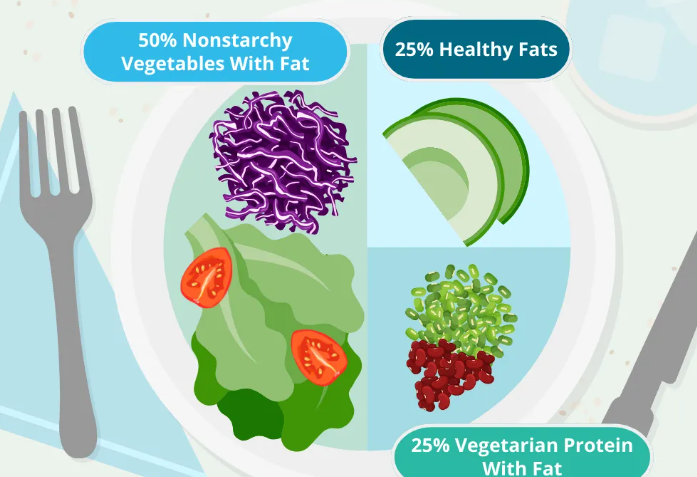
It is also worth noting that the keto diet encourages the consumption of whole, nutrient-dense foods. Common choices include avocados, nuts, seeds, eggs, fish, and non-starchy vegetables. When followed thoughtfully, the diet can provide essential nutrients while reducing reliance on processed foods and added sugars.
Despite these potential benefits, the keto diet is not a one-size-fits-all solution. Some individuals may find it challenging to maintain due to its restrictive nature, particularly when it comes to limiting common carbohydrate sources like bread, rice, and fruit. Others may experience temporary side effects during the initial transition phase, sometimes referred to as the “keto flu,” which can include fatigue and headaches as the body adapts to a new energy source.
It is important to approach the keto diet with balance and awareness. Choosing high-quality fats, staying hydrated, and ensuring adequate intake of vitamins and minerals can help support a positive experience. Consulting with a qualified professional before making significant dietary changes is also a practical step, especially for individuals with specific health conditions or unique nutritional needs.
Long-term sustainability is another factor to consider. While some people thrive on a ketogenic lifestyle, others may prefer a more moderate approach that still reduces refined carbohydrates without fully entering ketosis. The key is finding a pattern of eating that supports both physical well-being and personal preferences.
In summary, the keto diet offers a range of potential benefits, including support for weight management, improved blood sugar stability, and enhanced energy levels. Its effectiveness comes from shifting the body’s primary fuel source from carbohydrates to fats, leading to a unique metabolic state. However, like any dietary approach, it works best when tailored to individual needs and practiced with a focus on overall nutrition.
Understanding the principles behind the keto diet allows individuals to make informed choices and avoid common misconceptions. Rather than viewing it as a strict set of rules, it can be helpful to see it as one of many tools available for supporting a healthy lifestyle. With careful planning and a balanced mindset, the keto diet can be a practical option for those seeking a different approach to nutrition.