The keto diet has become one of the most talked-about approaches to eating in recent years. While it often appears surrounded by bold claims and strict rules, it does not have to feel overwhelming or rigid. Understanding the potential benefits of a ketogenic lifestyle in a relaxed, balanced way can make it more approachable and sustainable for many people.
At its core, the keto diet focuses on reducing carbohydrate intake and increasing healthy fats, encouraging the body to enter a state known as ketosis. In this state, the body uses fat as its primary source of energy instead of glucose. While this may sound complex, the practical idea is simple: shifting food choices in a way that supports more stable energy and metabolic efficiency.
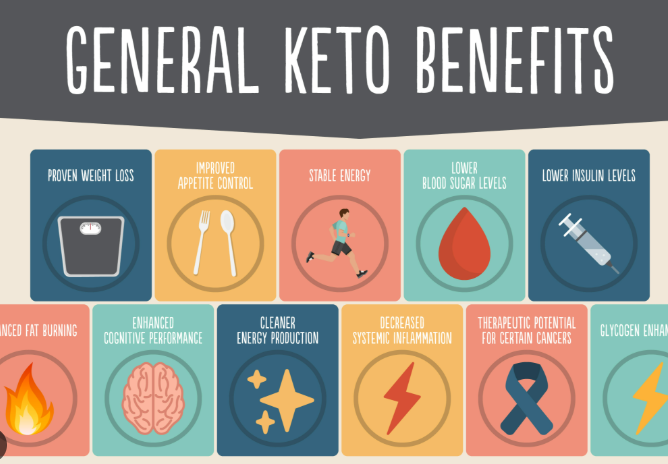
One of the most commonly discussed benefits of a keto-style diet is improved energy consistency. Many people report fewer energy crashes throughout the day. Instead of the highs and lows that sometimes come with high-sugar or high-carb meals, a lower-carb approach may help maintain steadier energy levels. This can be especially helpful for those who feel fatigued after meals or experience afternoon slumps.
Another potential benefit is support for weight management. By focusing on satisfying foods that include healthy fats and adequate protein, people often feel fuller for longer periods. This natural sense of satiety can help reduce frequent snacking or overeating without the need for strict calorie counting. It is important to note that results vary, and a balanced perspective is key. The goal is not rapid change but gradual, sustainable habits that align with individual needs.
Mental clarity is another area where some individuals notice a positive shift. While research is ongoing, anecdotal experiences suggest that reducing sugar fluctuations may contribute to improved focus and concentration. For those who struggle with brain fog or inconsistent attention, adjusting dietary patterns may offer subtle support over time.
The keto approach can also encourage a more mindful relationship with food. By emphasizing whole, unprocessed ingredients such as vegetables, healthy oils, nuts, seeds, and quality protein sources, it naturally steers people toward more intentional eating habits. This shift can be beneficial regardless of whether someone strictly follows a ketogenic plan or simply adopts some of its principles.
It is important to approach keto without pressure or unrealistic expectations. Not everyone needs to follow a strict version to experience benefits. In fact, a more flexible approach often works better for long-term success. Small adjustments, such as reducing added sugars or incorporating more nutrient-dense foods, can already make a meaningful difference.
Listening to the body plays a crucial role in any dietary change. Some individuals may adapt quickly to lower carbohydrate intake, while others may need more time or prefer a moderate approach. There is no one-size-fits-all method, and personal comfort should always guide decisions. Consulting a qualified professional can also provide helpful guidance, especially for those with specific health considerations.
Social and lifestyle factors matter as well. Food is not just about nutrition; it is also about enjoyment, culture, and connection. A relaxed keto approach allows room for flexibility in social situations, making it easier to maintain without feeling isolated or restricted. Occasional variations do not negate progress and can help create a more balanced and enjoyable experience.
Hydration and nutrient balance are also important when exploring keto-friendly habits. Drinking enough water and ensuring adequate intake of vitamins and minerals can support overall well-being. Simple steps like including leafy greens, staying hydrated, and paying attention to how the body feels can go a long way.
Another overlooked benefit of a low-pressure approach is reduced stress around food choices. Strict dieting can sometimes lead to frustration or burnout. By removing the idea of perfection and focusing instead on consistency and awareness, people are more likely to build habits that last. Progress does not require extreme measures; it often comes from small, steady improvements.
It is also helpful to remember that dietary preferences can evolve. What works well at one stage of life may change over time. Being open to adjustment allows individuals to find a rhythm that supports both their health and their lifestyle. The keto diet can be a tool, not a rulebook, offering guidance rather than rigid structure.
For those curious about trying keto, starting gradually can be a comfortable entry point. Simple changes such as swapping refined carbohydrates for whole-food alternatives or adding healthy fats to meals can introduce the body to new patterns without sudden shifts. Over time, these changes may lead to noticeable benefits without feeling restrictive.
In the broader picture, the value of any eating pattern lies in how it supports overall well-being. The keto diet, when approached thoughtfully and without pressure, can offer a range of potential benefits including steady energy, improved satiety, and enhanced mindfulness around food. However, it is most effective when adapted to individual preferences and combined with a balanced lifestyle.
Ultimately, the goal is not to follow trends perfectly but to discover what feels sustainable and supportive. A gentle, flexible approach to keto allows individuals to explore its advantages while maintaining a positive relationship with food. By focusing on nourishment rather than restriction, it becomes easier to build habits that contribute to long-term health and everyday comfort.