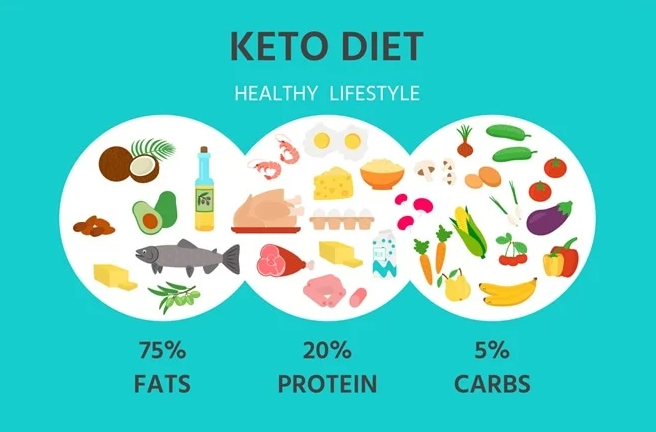
The ketogenic diet, often called the keto diet, has become one of the most talked-about approaches to eating in recent years. While trends come and go, the keto diet has remained popular because many people find it simple to understand and practical to follow once they grasp the basics. At its core, keto is about shifting the body’s primary source of energy from carbohydrates to fats, encouraging a natural metabolic state known as ketosis. This shift can lead to a variety of benefits that are easy to recognize even in the early stages.
One of the most noticeable advantages people report is steady energy throughout the day. When the body relies heavily on carbohydrates, energy levels can rise and fall quickly, often leading to mid-day crashes or frequent hunger. By contrast, burning fat for fuel provides a more consistent source of energy. Many individuals who adopt keto eating habits describe feeling more stable and less dependent on constant snacking to maintain their energy.
Another benefit that can be learned quickly is appetite control. Foods encouraged on a keto diet, such as healthy fats and moderate amounts of protein, tend to be more filling. This can help reduce overall calorie intake without the feeling of deprivation. Instead of counting every calorie or portion, people often find they naturally eat less because they feel satisfied sooner and for longer periods.
Weight management is one of the most common reasons people explore keto. While results can vary depending on the individual, reducing carbohydrate intake often leads to a decrease in water weight initially, followed by gradual fat loss. The structure of the diet can make it easier for some individuals to stay consistent compared to more restrictive plans. However, it is important to approach weight goals with realistic expectations and focus on long-term habits rather than quick fixes.
Mental clarity is another frequently mentioned benefit. Some people report improved focus and reduced brain fog after adapting to ketosis. This may be related to the brain’s ability to use ketones, produced from fat, as an efficient fuel source. While research is ongoing, many individuals appreciate the sense of sharper thinking and sustained concentration throughout the day.
Blood sugar stability is also a key factor that draws attention to the keto diet. By limiting carbohydrate intake, the diet can help minimize spikes and dips in blood glucose levels. This may be particularly helpful for individuals looking to maintain balanced energy or support overall metabolic health. That said, anyone with specific health conditions should consult a qualified professional before making significant dietary changes.
The simplicity of food choices is another advantage that beginners can quickly understand. Keto-friendly meals often include whole, unprocessed foods such as meats, fish, eggs, low-carbohydrate vegetables, nuts, seeds, and healthy oils. This straightforward approach can make grocery shopping and meal planning less overwhelming compared to diets that require complex tracking or specialty products.
In addition to physical benefits, many people appreciate the structure that keto provides. Clear guidelines about what to eat and what to limit can reduce decision fatigue. Instead of constantly wondering what fits into a plan, individuals can rely on a consistent framework that becomes easier to follow over time. This sense of clarity can make the transition to healthier eating habits feel more manageable.
It is also worth noting that the keto diet encourages awareness of food labels and ingredients. As people learn to identify hidden sugars and carbohydrates, they often become more mindful of what they consume. This awareness can carry over into other aspects of nutrition, fostering a more informed and intentional relationship with food.
Social adaptability may seem like a challenge at first, but many find it easier than expected. With a growing number of keto-friendly options available in restaurants and stores, it is increasingly possible to maintain the diet while dining out or attending gatherings. Simple adjustments, such as choosing protein-based dishes and substituting high-carb sides, can make a significant difference.
While the keto diet offers many potential benefits, it is important to approach it with balance and flexibility. Not every eating style works for every individual, and personal preferences, lifestyle, and health considerations should always play a role in dietary choices. Listening to the body and making gradual adjustments can help create a sustainable approach that supports overall well-being.
Hydration and nutrient intake are also important to keep in mind. Since the diet changes how the body processes energy, ensuring adequate intake of vitamins, minerals, and fluids can help support a smooth transition. Many people find that incorporating a variety of nutrient-dense foods helps maintain balance while following keto principles.
The learning curve for keto is relatively short compared to many other dietary approaches. Once the basic concept of reducing carbohydrates and increasing healthy fats is understood, it becomes easier to build meals and develop routines. Over time, these habits can become second nature, making the diet feel less like a strict plan and more like a lifestyle choice.
In conclusion, the keto diet offers several benefits that can be learned quickly and applied in everyday life. From steady energy and appetite control to improved focus and simplified food choices, the approach provides a clear framework that many people find appealing. By focusing on consistency, balance, and personal needs, individuals can explore whether keto aligns with their goals in a thoughtful and sustainable way.