Starting a new way of eating can feel overwhelming, especially with so many diet trends competing for attention. The ketogenic diet, often called the keto diet, has gained popularity because of its simple core idea and promising results for many people. For beginners, understanding how it works and how to approach it safely and sustainably is the key to success.
At its foundation, the keto diet is a low-carbohydrate, high-fat eating plan designed to shift the body’s primary energy source. Normally, your body relies on carbohydrates to produce glucose, which fuels your daily activities. When carbohydrate intake is significantly reduced, the body enters a metabolic state called ketosis. In this state, fat becomes the main source of energy, and the liver produces molecules called ketones to supply fuel for the brain and body.
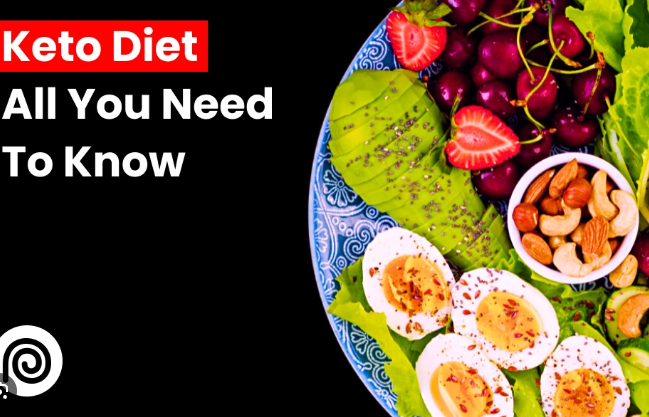
For beginners, this shift may sound complicated, but the concept is straightforward. By reducing foods like bread, rice, sugary snacks, and most fruits, and replacing them with foods rich in healthy fats and moderate protein, the body gradually adapts to burning fat more efficiently. Common keto-friendly foods include eggs, fish, meat, nuts, seeds, oils, and low-carbohydrate vegetables such as leafy greens.
One of the reasons many people are drawn to the keto diet is its potential to support weight management. When the body relies on fat for energy, it can tap into stored fat more effectively. Additionally, some people report feeling fuller for longer periods, which may help reduce unnecessary snacking. However, it is important to approach this benefit with realistic expectations and focus on overall health rather than quick fixes.
For beginners, the first few days of transitioning into keto can come with noticeable changes. Some people experience what is commonly referred to as the “keto flu,” which may include fatigue, headaches, or irritability. These symptoms are usually temporary and can be managed by staying hydrated, ensuring adequate electrolyte intake, and giving the body time to adjust. Listening to your body during this phase is especially important.
Another important aspect of starting keto is understanding food quality. Not all fats are created equal, and choosing healthier sources can make a meaningful difference. Foods such as avocados, olive oil, nuts, and fatty fish provide beneficial nutrients alongside fat content. On the other hand, relying heavily on highly processed foods may not support long-term well-being. A balanced approach within the keto framework can help maintain both effectiveness and nutritional value.
Planning meals ahead of time can make the transition smoother. Beginners often find it helpful to keep simple meals on hand, such as grilled protein with vegetables and a healthy fat source. This reduces the temptation to revert to high-carbohydrate options when time is limited. Over time, meal preparation becomes more intuitive, and many people discover creative ways to enjoy satisfying keto-friendly dishes.
It is also helpful to pay attention to portion sizes and overall calorie intake. While keto focuses on macronutrient balance rather than strict calorie counting, consuming excessive amounts of any food can still affect progress. Developing mindful eating habits can support better results and a more sustainable experience.
Hydration plays a significant role in the success of a keto lifestyle. When carbohydrate intake decreases, the body tends to release more water, which can lead to dehydration if not addressed. Drinking enough water and including sources of electrolytes such as sodium, potassium, and magnesium can help maintain balance and reduce discomfort during the transition phase.
For those new to keto, patience is essential. The body needs time to adapt to a different way of fueling itself, and results may vary from person to person. Some individuals notice changes within a few weeks, while others may require a longer adjustment period. Consistency and a positive mindset can make a meaningful difference in staying on track.
It is also important to recognize that the keto diet may not be suitable for everyone. Individuals with specific medical conditions, or those who are pregnant or nursing, should consider seeking guidance from a qualified professional before making significant dietary changes. Personal health needs should always come first when exploring any new eating plan.
Social situations can present unique challenges for beginners. Dining out or attending gatherings may involve foods that are not keto-friendly. Planning ahead, reviewing menus in advance, or bringing a suitable dish can help maintain consistency without feeling restricted. Over time, navigating these situations becomes easier with practice and confidence.
Another helpful tip for beginners is to focus on gradual improvement rather than perfection. Making small, consistent changes can be more sustainable than trying to overhaul your entire diet overnight. Even simple steps, such as reducing sugar intake or replacing refined carbohydrates with healthier alternatives, can set the foundation for long-term success.
Understanding labels and hidden carbohydrates is another valuable skill. Many packaged foods contain added sugars or starches that may not be immediately obvious. Learning to read ingredient lists and nutritional information can help you make more informed choices and stay aligned with your goals.
Physical activity can complement a keto lifestyle, although it may take time to adjust energy levels during the early stages. Light to moderate exercise can support overall health and well-being, and as the body becomes more adapted to ketosis, many people find their endurance improves.
Mental clarity is another aspect often discussed in relation to keto. Some individuals report improved focus once they are fully adapted to using ketones for energy. While experiences can vary, this potential benefit adds to the appeal for those seeking not only physical but also cognitive improvements.
As you continue your journey, it can be helpful to track your progress in a way that feels meaningful to you. This could include noting changes in energy levels, how your clothes fit, or how you feel overall. Progress is not always measured by numbers alone, and recognizing non-scale achievements can be motivating.
In the long run, the goal is to create a way of eating that is both enjoyable and sustainable. Keto can be a useful tool for many beginners, but flexibility and personalization are key. Adjusting the approach to fit your lifestyle, preferences, and health needs can make it more practical and rewarding.
Starting keto does not require perfection or strict rules from day one. With a clear understanding of the basics, a willingness to learn, and a focus on balance, beginners can explore this dietary approach in a way that feels manageable and supportive. Over time, these small steps can build into lasting habits that contribute to overall well-being.