The ketogenic diet, often called “keto,” has become a widely discussed approach to eating, but for many people it can feel confusing or overly technical at first. In simple terms, keto is a way of eating that focuses on reducing carbohydrates while increasing healthy fats, helping the body shift how it produces energy. Understanding how this works does not require a science background, and with a clear explanation, it becomes much easier to see why so many people are curious about it.
Under normal circumstances, the body relies on carbohydrates as its main source of fuel. Foods like bread, pasta, rice, and sugary snacks are broken down into glucose, which the body uses for energy. When carbohydrate intake is significantly reduced, however, the body looks for an alternative energy source. This is where keto comes in. By limiting carbs and increasing fat intake, the body enters a state known as ketosis, where it begins to burn fat for fuel instead of glucose.
Ketosis may sound complicated, but the idea behind it is straightforward. When carbohydrate levels are low, the liver converts fat into molecules called ketones. These ketones then serve as an energy source for the body, including the brain. This shift can lead to changes in how people feel day to day, including more stable energy levels since fat provides a longer-lasting fuel compared to quick spikes and drops from sugar.
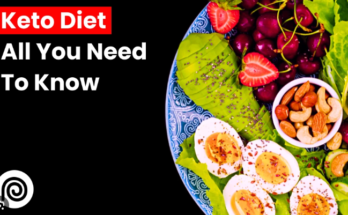
A typical keto eating pattern emphasizes foods that are naturally low in carbohydrates. These often include meats, fish, eggs, nuts, seeds, oils, and certain dairy products. Vegetables are still an important part of the diet, particularly those that grow above ground such as leafy greens, broccoli, and zucchini. On the other hand, foods high in sugar and starch are usually limited or avoided to maintain ketosis.
One reason keto has gained attention is its potential to support weight management. Since the body is using fat as its primary fuel source, some individuals find it easier to reduce overall calorie intake without feeling constantly hungry. Foods rich in fat and protein can promote a sense of fullness, which may help with portion control. It is important to note, however, that results can vary, and what works well for one person may not be the best approach for another.
Another aspect that people often appreciate about keto is the simplicity of its core principle. Rather than focusing heavily on counting calories, the emphasis is placed on the types of foods being consumed. By choosing low-carb options and incorporating healthy fats, many find it easier to build meals without overthinking every detail. Still, some level of planning is helpful, especially in the beginning, to ensure a balanced intake of nutrients.
As with any dietary approach, there can be an adjustment period. When transitioning to keto, some people experience temporary effects such as fatigue or changes in appetite as the body adapts to using fat for fuel. This phase is often referred to informally as the “keto flu,” although it is not an actual illness. Staying hydrated and ensuring adequate intake of electrolytes can help ease this transition for many individuals.
It is also helpful to understand that not all fats are the same. While keto encourages higher fat consumption, the focus is generally on sources like avocados, olive oil, nuts, seeds, and fatty fish. These options provide additional nutrients that support overall health. Highly processed foods, even if low in carbohydrates, may not offer the same benefits and are best consumed in moderation.
Keto is sometimes viewed as restrictive, but many people find creative ways to enjoy a wide variety of meals within its framework. For example, traditional dishes can often be adapted by swapping out high-carb ingredients for lower-carb alternatives. This flexibility can make the approach more sustainable over time, especially for those who enjoy cooking and experimenting with new recipes.
It is worth mentioning that keto is not a one-size-fits-all solution. Individual needs, preferences, and health considerations all play a role in determining whether this approach is appropriate. Some people may thrive on a ketogenic diet, while others may prefer a more balanced intake of carbohydrates, fats, and proteins. Consulting a qualified professional can provide personalized guidance, particularly for those with specific health conditions.
In everyday terms, keto is less about following strict rules and more about changing how the body fuels itself. By reducing carbohydrates and increasing healthy fats, the body can shift into a state where it relies on fat for energy. This concept, while rooted in science, can be understood through simple changes in food choices and habits.
For anyone considering keto, starting with small, manageable steps can make the process feel less overwhelming. Learning which foods align with the approach, planning meals ahead of time, and paying attention to how the body responds are all practical ways to build confidence. Over time, these habits can become part of a routine that feels natural rather than restrictive.
Ultimately, the ketogenic diet is one of many ways people explore improving their eating habits. Its appeal lies in its clear structure and the way it encourages mindful food choices. By understanding the basics and approaching it with a balanced perspective, anyone can decide whether keto aligns with their personal goals and lifestyle.