The ketogenic diet, often called “keto,” has become widely known in recent years, but the basic idea behind it is actually quite simple. At its core, keto is a way of eating that changes how your body gets its energy. Instead of relying mostly on carbohydrates like bread, rice, or sugar, the keto approach encourages your body to use fat as its primary fuel source.
Under normal circumstances, your body breaks down carbohydrates into glucose, which is then used for energy. This is the standard process for most people, especially those who eat a typical diet that includes grains, fruits, and sugary foods. However, when carbohydrate intake is significantly reduced, the body needs to find another way to function. This is where keto comes in.
When you eat very few carbs and increase your intake of fats, your body enters a natural metabolic state known as ketosis. In this state, your liver begins to convert fat into molecules called ketones, which can be used as an alternative source of energy. This shift may sound complex, but it’s simply your body adapting to a different fuel supply.
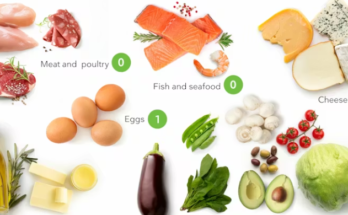
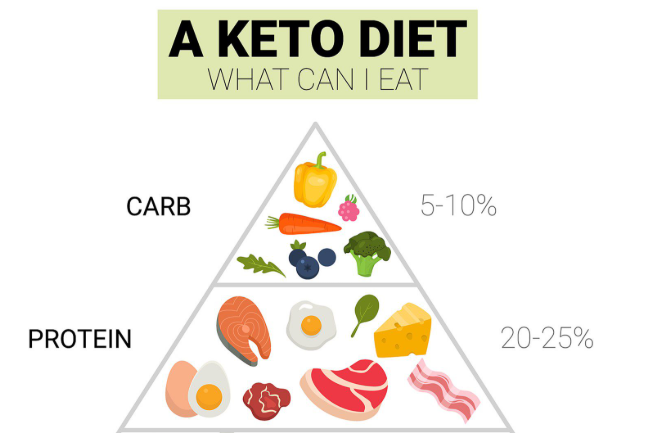
To follow a keto-style diet, people usually focus on eating foods that are high in healthy fats, moderate in protein, and very low in carbohydrates. Examples of foods that fit well into this approach include eggs, fish, meat, nuts, seeds, butter, oils, and certain vegetables like leafy greens. On the other hand, foods that are high in sugar or starch, such as candy, soda, bread, pasta, and many fruits, are limited or avoided.
One of the reasons people are drawn to keto is because it can help reduce hunger for some individuals. Fat and protein tend to be more filling than carbohydrates, which may make it easier to eat less without feeling deprived. Instead of experiencing frequent spikes and drops in blood sugar, some people find their energy levels become more steady throughout the day.
Another aspect that makes keto appealing is its simplicity in structure. Rather than counting every calorie, many people focus on keeping carbs low and choosing satisfying, whole foods. This can make meal planning feel more straightforward once the basic idea is understood. However, like any dietary approach, it still requires attention and balance.
It is important to understand that transitioning into ketosis does not happen instantly. When someone first reduces their carbohydrate intake, the body may take a few days to adjust. During this period, some people report temporary feelings of tiredness or discomfort as their body adapts. Staying hydrated and maintaining a balanced intake of nutrients can help support this adjustment phase.
Keto is not just about eating more fat; it is about choosing the right kinds of foods. Whole, unprocessed options are generally encouraged, as they provide essential vitamins and minerals. For example, incorporating vegetables, even in a low-carb plan, helps support overall nutrition. Similarly, including a variety of protein sources can help maintain muscle and overall health.
While keto has gained attention for potential benefits related to weight management, it is important to approach it with realistic expectations. No single diet works the same for everyone. Factors such as lifestyle, personal preferences, and overall health all play a role in determining what kind of eating pattern is most suitable.
Another key point to consider is sustainability. A diet should be something that can fit comfortably into your daily life over time. Some people find keto easy to follow once they adjust, while others may prefer a more flexible approach that includes a wider range of foods. Understanding your own habits and needs can help you decide what works best for you.
It is also helpful to keep in mind that balance is important in any eating plan. Even within keto, focusing only on convenience foods that are labeled as “low carb” may not provide the same benefits as choosing fresh, whole ingredients. Reading labels and being mindful of what you eat can make a meaningful difference.
If you are considering trying keto, starting with small changes can make the process smoother. For example, gradually reducing sugary snacks or replacing refined carbohydrates with lower-carb alternatives can help your body adapt more comfortably. Over time, these adjustments can become part of a routine that feels natural rather than restrictive.
Listening to your body is another essential part of any dietary change. Paying attention to how you feel, your energy levels, and your overall well-being can provide valuable guidance. If something does not feel right, it may be worth reassessing your approach or seeking advice from a qualified professional.
Keto is ultimately about shifting your body’s energy source from carbohydrates to fat. While the science behind it can be detailed, the everyday concept is straightforward. Eat fewer carbs, include more healthy fats, and allow your body to adapt to using a different form of fuel.
As with any lifestyle choice, it is important to focus on long-term health rather than quick results. A thoughtful and informed approach can help you make decisions that align with your personal goals. Whether keto becomes a long-term habit or simply a learning experience, understanding how it works can empower you to make more informed choices about your nutrition.
In simple terms, keto is not about perfection. It is about making intentional changes that suit your lifestyle while supporting your overall well-being. By keeping the concept clear and focusing on balance, it becomes easier to see how this approach fits into the broader picture of healthy living.