The ketogenic diet, often referred to simply as keto, has grown from a niche nutritional approach into a widely recognized lifestyle choice. While many people initially encounter keto as a weight loss strategy, its appeal extends far beyond shedding pounds. For those seeking a practical, sustainable way to manage energy levels, improve eating habits, and simplify daily food decisions, keto offers a compelling option that fits into modern life with surprising ease.
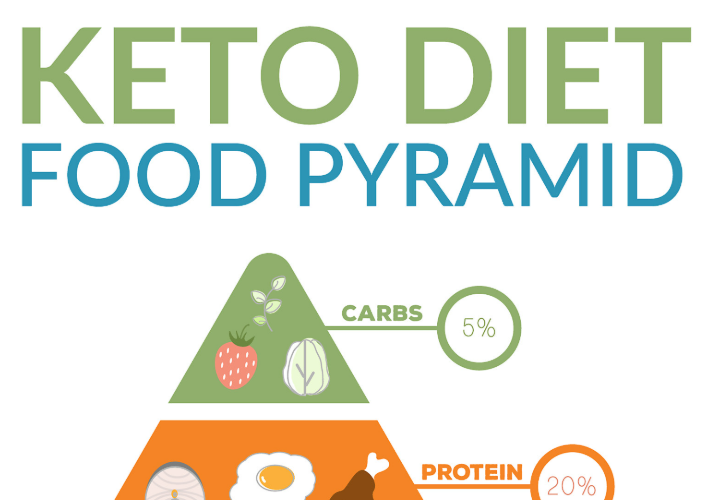
At its core, the ketogenic lifestyle focuses on reducing carbohydrate intake and replacing it with healthy fats, alongside moderate protein consumption. This shift encourages the body to enter a metabolic state known as ketosis, where fat becomes the primary fuel source instead of glucose. While this concept may sound technical, the everyday application is straightforward. Meals often revolve around whole foods like meats, fish, eggs, vegetables, nuts, seeds, and natural fats, which are widely accessible and easy to prepare.
One of the main reasons keto is practical is its simplicity in meal planning. Unlike diets that require strict calorie counting or complicated portion tracking, keto emphasizes food quality and macronutrient balance. Once individuals become familiar with which foods support ketosis, grocery shopping and cooking become more intuitive. Many people find they can prepare satisfying meals with fewer ingredients and less time, making it easier to maintain consistency even with a busy schedule.
Another advantage is the potential for more stable energy throughout the day. Traditional high-carbohydrate diets can lead to fluctuations in blood sugar, which may result in energy spikes followed by crashes. In contrast, a ketogenic approach often supports a more steady energy supply. This can be especially helpful for individuals juggling work, family responsibilities, and other daily commitments, as it reduces the need for frequent snacking or reliance on quick sugar-based fixes.
Keto can also align well with mindful eating habits. Because the diet includes nutrient-dense, satisfying foods, many people naturally feel fuller for longer periods. This can help reduce unnecessary eating and encourage a more intentional relationship with food. Instead of constantly thinking about the next meal or craving processed snacks, individuals often report a greater sense of control and awareness around their eating patterns.
Flexibility is another factor that contributes to keto’s practicality. While the diet has clear guidelines, it can be adapted to suit a wide range of preferences and lifestyles. Whether someone prefers home-cooked meals, quick recipes, or dining out, there are keto-friendly options available. Restaurants increasingly offer low-carbohydrate choices, and simple substitutions, such as replacing bread with lettuce wraps or opting for vegetable sides, make it possible to stay on track without feeling restricted.
From a financial perspective, keto does not have to be expensive. While specialty products and branded “keto-friendly” snacks are widely marketed, they are not necessary for success. In fact, focusing on whole, unprocessed foods can be both cost-effective and healthier. Items like eggs, seasonal vegetables, ground meats, and bulk nuts provide affordable staples that support the diet without straining a budget.
The ketogenic lifestyle also encourages cooking skills that can benefit individuals in the long term. Preparing meals at home allows for better control over ingredients and portion sizes, which supports overall wellness. Over time, many people develop a repertoire of simple, reliable recipes that fit their tastes and nutritional needs. This sense of familiarity and confidence in the kitchen makes it easier to maintain the lifestyle without feeling overwhelmed.
Social situations, often seen as a challenge for dietary changes, can be navigated successfully with keto as well. With a bit of planning, it is possible to participate in gatherings, celebrations, and outings without abandoning dietary goals. Bringing a keto-friendly dish to share, reviewing menus in advance, or communicating preferences politely can make these experiences enjoyable rather than stressful.
Importantly, keto can be approached in a balanced and realistic way. It is not necessary to aim for perfection or rigid adherence at all times. Many people find success by focusing on consistency rather than strict rules, allowing for occasional flexibility while maintaining overall habits. This mindset helps prevent burnout and supports long-term sustainability, which is a key factor in any lifestyle choice.
It is also worth noting that individual needs and responses can vary. What works well for one person may need adjustment for another. Listening to the body, staying hydrated, and ensuring adequate nutrient intake are essential components of a healthy approach to keto. Consulting with a qualified professional can provide additional guidance, especially for those with specific health considerations.
The growing availability of information and community support further enhances the practicality of keto. Online resources, recipe collections, and shared experiences make it easier than ever to learn, adapt, and stay motivated. Whether someone is just starting out or looking to refine their approach, there is a wealth of accessible knowledge to draw from.
Ultimately, the ketogenic lifestyle stands out as a practical option because it combines simplicity, flexibility, and sustainability. It offers a clear framework for making food choices while allowing room for personal preferences and real-life circumstances. By focusing on whole foods, steady energy, and mindful habits, keto can fit naturally into everyday routines without requiring extreme measures.
For those seeking a lifestyle that supports both structure and adaptability, keto presents a balanced path forward. With thoughtful planning and a willingness to learn, it can become more than just a diet. It can evolve into a way of living that promotes consistency, confidence, and a positive relationship with food.