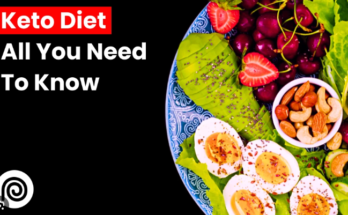
The ketogenic diet, often called “keto,” has gained widespread attention in recent years, yet one of its most appealing qualities is how simple it is at its core. While many diets rely on complicated rules, calorie counting, or strict schedules, keto stands out because it is built on a clear and straightforward principle. Once that principle is understood, everything else tends to fall into place naturally, making it accessible for beginners and sustainable for many people over time.
At its heart, keto is based on changing the body’s primary source of energy. Normally, the body relies on carbohydrates for fuel. Foods like bread, pasta, rice, and sugary snacks are broken down into glucose, which the body uses for energy. Keto simply shifts that process by reducing carbohydrate intake and increasing healthy fats. When carbs are limited, the body enters a state called ketosis, where it begins to burn fat for fuel instead of glucose. This single concept explains most of what keto is about, which is why it is often considered easy to understand.
Another reason keto feels approachable is that it does not require constant tracking of multiple variables. Unlike some eating plans that involve counting points, weighing portions, or carefully timing meals, keto typically focuses on one main adjustment: lowering carbs. While some people choose to track their macronutrients more closely, many find that just being mindful of reducing high-carb foods and incorporating more fats and moderate protein is enough to get started.
Food choices on keto are also relatively intuitive once the basic idea is clear. Foods that are naturally low in carbohydrates and rich in fats become the foundation of meals. This includes items like eggs, meat, fish, cheese, nuts, seeds, oils, and non-starchy vegetables. On the other hand, foods high in sugar and starch are minimized. Because many keto-friendly foods are common and familiar, people often find it easy to build meals without needing special or hard-to-find ingredients.
Keto can also feel simpler because it encourages a sense of satisfaction and fullness. Meals that include healthy fats and protein tend to be more filling, which can reduce the urge to snack frequently. This naturally leads to a more relaxed approach to eating, where individuals are guided by hunger cues rather than strict schedules. For many, this makes the diet feel less restrictive and more aligned with everyday life.
Another factor that contributes to keto’s simplicity is the consistency of its guidelines. There are no rotating phases, complicated refeeding days, or confusing cycles to follow. The approach remains steady: keep carbohydrates low, include healthy fats, and maintain a balanced intake of protein. This consistency helps reduce decision fatigue, as there are fewer rules to remember and fewer changes to manage over time.
Keto also benefits from a clear feedback mechanism. When the body enters ketosis, many people notice changes such as increased energy, reduced hunger, or improved focus. While individual experiences vary, these signals can help people understand whether they are on the right track. This kind of direct feedback can make the diet easier to follow because it reinforces the connection between food choices and how the body responds.
The learning curve for keto is often shorter compared to more complex eating plans. Once someone understands which foods are low in carbohydrates and which are not, meal planning becomes straightforward. Over time, this knowledge becomes second nature. Grocery shopping becomes quicker, cooking becomes easier, and dining out becomes more manageable because the guidelines are easy to apply in different situations.
It is also worth noting that keto does not require perfection to be effective. While consistency is helpful, many people find that they can adapt the diet to their lifestyle without feeling overwhelmed. This flexibility allows individuals to learn at their own pace and make gradual adjustments, which can make the overall experience feel less intimidating.
Another aspect that makes keto easy to understand is the abundance of available resources and community support. Recipes, meal ideas, and general guidance are widely accessible, making it easier for newcomers to get started. This shared knowledge helps simplify the process even further, as people can learn from others who have already navigated the early stages of the diet.
In addition, keto aligns well with a back-to-basics approach to eating. It emphasizes whole foods and minimizes processed items that are often high in hidden sugars and refined carbohydrates. This focus can make decision-making easier because it encourages simple, recognizable ingredients rather than complex or highly engineered products.
Keto’s simplicity does not mean it lacks depth or nuance, but its foundational idea remains easy to grasp. By focusing on reducing carbohydrates and allowing the body to use fat as its primary fuel, the diet offers a clear and consistent framework. This clarity is what makes it approachable for many people who might otherwise feel overwhelmed by more complicated dietary approaches.
In conclusion, keto is easy to understand because it revolves around one central concept: shifting the body’s energy source from carbohydrates to fat. With straightforward food choices, consistent guidelines, and a natural sense of satisfaction, it offers a practical way to approach eating without unnecessary complexity. For those looking for a clear and manageable dietary approach, keto provides a simple starting point that can be adapted to fit a variety of lifestyles.