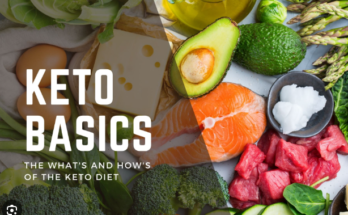
The ketogenic, or “keto,” diet has grown in popularity over the past decade, attracting attention from people looking to improve their health, manage weight, or better understand how food affects their bodies. At its core, keto eating is not about following a trend but about shifting how the body uses energy. Instead of relying primarily on carbohydrates, the body is encouraged to use fat as its main fuel source. This metabolic state is known as ketosis.
To understand keto eating, it helps to start with the basics of how the body processes food. Most traditional diets are rich in carbohydrates, which break down into glucose and provide a quick source of energy. When carbohydrate intake is significantly reduced, the body begins to look for alternative fuel. It turns to stored fat, converting it into molecules called ketones, which can be used by the brain and muscles. This shift is the foundation of the ketogenic approach.
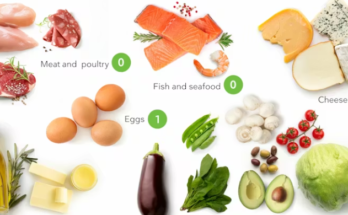
A practical keto eating pattern focuses on reducing carbohydrates while increasing healthy fats and maintaining moderate protein intake. Common foods include leafy greens, non-starchy vegetables, eggs, fish, meat, nuts, seeds, and oils such as olive or avocado oil. At the same time, foods like bread, pasta, sugary snacks, and most processed items are limited or avoided. This may sound restrictive at first, but many people find that with some planning, meals can be both satisfying and varied.
One of the most talked-about aspects of keto eating is its potential role in weight management. When the body uses fat for fuel, it may help reduce overall calorie intake by promoting a feeling of fullness. Foods rich in fat and protein can be more satiating than high-carbohydrate options, which sometimes lead to energy spikes and crashes. However, it is important to approach this in a balanced way, recognizing that long-term success depends on consistency and overall lifestyle habits rather than any single dietary change.
Another practical consideration is how keto eating fits into daily life. Planning becomes an important part of success. Preparing meals at home, reading ingredient labels, and understanding portion sizes can help avoid hidden carbohydrates. Eating out may require a bit more attention, but many restaurants offer options that can be adapted, such as choosing grilled proteins and vegetables instead of carb-heavy sides.
Hydration and electrolyte balance are also important when following a ketogenic pattern. As carbohydrate intake drops, the body may release more water and certain minerals. Drinking enough fluids and including foods rich in nutrients like potassium and magnesium can help maintain balance. Some people experience temporary symptoms during the initial transition phase, often referred to as the “keto flu,” which may include fatigue or mild discomfort. These effects are usually short-lived and can often be managed with proper hydration and gradual dietary adjustments.
It is worth noting that keto eating is not a one-size-fits-all solution. Individual responses can vary based on factors such as age, activity level, and overall health. Some people may thrive on a lower-carbohydrate approach, while others may prefer a more moderate balance of nutrients. Listening to the body and making adjustments as needed is key. Consulting a qualified professional can also provide guidance tailored to personal needs and goals.
A practical approach to keto also means focusing on food quality rather than simply macronutrient ratios. Choosing whole, minimally processed foods can make a significant difference. For example, selecting fresh vegetables, high-quality proteins, and natural fats supports overall well-being more effectively than relying on heavily processed “keto-friendly” packaged items. This perspective helps maintain a more sustainable and health-conscious routine.
Social situations and routines can present challenges, but they can also be opportunities to adapt. Sharing meals with others, celebrating occasions, or traveling does not have to derail progress. With some flexibility and thoughtful choices, it is possible to maintain a keto-friendly approach while still enjoying a variety of experiences. Over time, many people develop a rhythm that works for their lifestyle.
Another important aspect is understanding expectations. While some individuals report noticeable changes within weeks, others may experience more gradual progress. Setting realistic goals and focusing on long-term habits rather than quick fixes can lead to more meaningful results. Keto eating is best viewed as a tool rather than a strict rulebook.
It is also helpful to recognize that balance extends beyond food. Sleep, physical activity, and stress management all play important roles in overall health. A well-rounded lifestyle supports any dietary approach, including keto. Incorporating regular movement, prioritizing rest, and finding ways to relax can enhance the benefits of dietary changes.
In summary, keto eating offers a different way of approaching nutrition by shifting the body’s primary energy source from carbohydrates to fats. A practical approach involves thoughtful planning, attention to food quality, and flexibility in daily life. While it may not suit everyone, it can be a useful option for those interested in exploring alternative dietary patterns. By focusing on sustainable habits and listening to individual needs, keto eating can become a manageable and potentially rewarding part of a broader commitment to health and well-being.