Improving your waistline is a goal many people share, whether for health, confidence, or overall well-being. The good news is that it does not require extreme diets or exhausting routines. A steady, realistic approach can make a lasting difference. By taking simple, consistent steps, you can gradually reshape your habits and see meaningful progress over time.
The first step is understanding that waistline improvement is closely tied to overall body health. There is no reliable way to reduce fat from only one specific area. Instead, your body loses fat as a whole, and your waistline becomes slimmer as part of that process. This means your focus should be on sustainable lifestyle changes rather than quick fixes.
Start by paying attention to your daily eating habits. You do not need to eliminate entire food groups or follow restrictive trends. Instead, aim for balance. Incorporate more whole foods such as vegetables, fruits, lean proteins, and whole grains into your meals. These foods tend to be more filling and provide essential nutrients that support your metabolism and energy levels.
Portion awareness is equally important. Even healthy foods can contribute to excess calorie intake if consumed in large amounts. Try to eat slowly and notice when you feel satisfied rather than overly full. This simple shift can help you naturally reduce your calorie intake without feeling deprived.
Hydration plays a bigger role than many people realize. Drinking enough water throughout the day can help regulate appetite and support digestion. Sometimes, feelings of hunger are actually signs of thirst. Keeping a glass of water nearby and sipping regularly can make a noticeable difference in your daily routine.
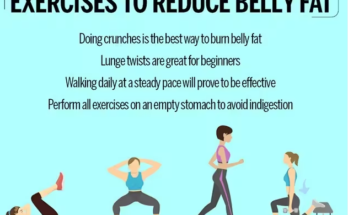
Physical activity is another key component. You do not need to spend hours at the gym to see results. Consistency matters more than intensity, especially in the beginning. Start with activities you enjoy, such as walking, cycling, or dancing. When movement feels enjoyable rather than like a chore, you are more likely to stick with it.
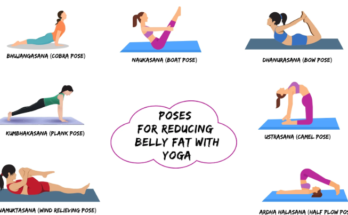
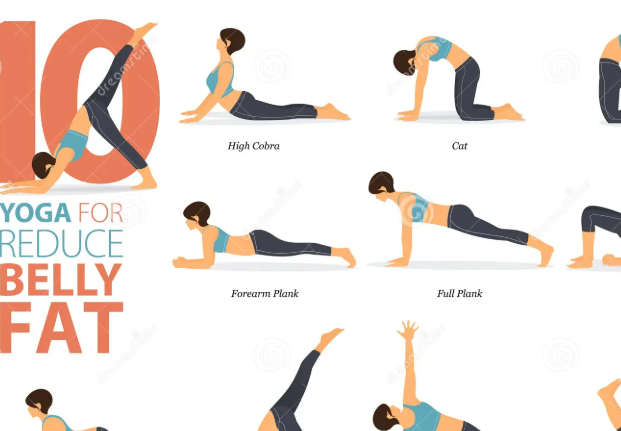
As you become more comfortable, consider adding strength training exercises. Building muscle helps increase your resting metabolism, which means your body burns more energy even when you are not active. Simple exercises like bodyweight squats, lunges, and core-focused movements can support your waistline goals over time.
Sleep is often overlooked, yet it has a strong impact on weight management. Poor sleep can affect hormones that regulate hunger and cravings, making it harder to maintain healthy habits. Aim for a consistent sleep schedule and create a relaxing bedtime routine to improve the quality of your rest.
Stress management is another important factor. When stress levels are high, the body may hold onto fat more easily, especially around the midsection. Finding healthy ways to cope with stress, such as deep breathing, stretching, or spending time outdoors, can support both your mental and physical health.
Tracking progress can help keep you motivated, but it is important to approach it in a balanced way. Instead of focusing only on the number on a scale, consider other signs of improvement. These might include how your clothes fit, your energy levels, or how strong and capable you feel during daily activities.
It is also helpful to set realistic expectations. Lasting change takes time, and small improvements add up. Rather than aiming for rapid results, focus on building habits that you can maintain long term. This approach not only helps you reach your goals but also makes it easier to keep them.
Social support can make the journey more enjoyable. Sharing your goals with friends or family members can provide encouragement and accountability. You might even find a workout partner or someone who wants to adopt healthier habits alongside you.
Be mindful of the information you consume. There is a lot of conflicting advice available, and not all of it is helpful or accurate. Stick to simple, evidence-based practices and avoid anything that promises instant results. If something sounds too good to be true, it usually is.
Another useful strategy is to create an environment that supports your goals. Keep nutritious foods easily accessible and limit the presence of highly processed snacks that may lead to mindless eating. Small changes in your surroundings can have a big impact on your daily choices.
Consistency does not mean perfection. There will be days when you do not follow your plan exactly, and that is completely normal. What matters most is returning to your routine without guilt or frustration. Progress is built on what you do most of the time, not what happens occasionally.
Listening to your body is essential. Pay attention to how different foods and activities make you feel. Over time, you will learn what supports your energy and what does not. This awareness allows you to make choices that align with your goals in a natural and sustainable way.
As your habits improve, you may begin to notice subtle changes. Your posture might improve, your movements may feel easier, and your confidence could grow. These non-physical benefits are just as valuable as visible changes in your waistline.
Remember that everyone’s journey is unique. Factors such as age, lifestyle, and individual metabolism all play a role. Avoid comparing your progress to others, and focus instead on your own path. What works for someone else may not be exactly right for you, and that is perfectly okay.
Over time, these small, consistent steps can lead to meaningful improvements. By focusing on balanced nutrition, regular movement, adequate rest, and stress management, you create a strong foundation for lasting change. Your waistline will gradually reflect these healthier habits.
Ultimately, improving your waistline is not just about appearance. It is about feeling stronger, healthier, and more comfortable in your daily life. By approaching the process with patience and a positive mindset, you can achieve results that are both realistic and sustainable.