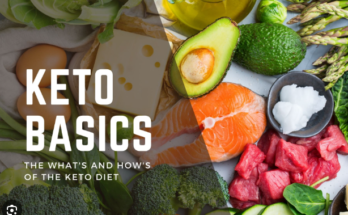
The keto diet, short for ketogenic diet, has gained widespread attention in recent years for its potential to support weight management and overall wellness. While trends in nutrition often come and go, the keto approach has remained popular because many people report noticeable benefits when they follow it thoughtfully. If you are curious about what this way of eating might offer, exploring its advantages can help you decide whether it aligns with your personal health goals.
At its core, the keto diet focuses on reducing carbohydrate intake while increasing the consumption of healthy fats, along with moderate protein. This shift encourages the body to enter a metabolic state called ketosis. In ketosis, the body relies on fat, rather than carbohydrates, as its primary source of energy. This process can lead to several changes in how your body functions, some of which may feel quite different from a traditional diet.
One of the most commonly discussed benefits of the keto diet is its potential to support weight loss. When your body burns fat for fuel, it may become more efficient at using stored fat reserves. Additionally, many people find that reducing carbohydrates helps decrease cravings for sugary snacks and refined foods. This can naturally lead to a lower overall calorie intake without feeling overly restricted. While results vary from person to person, some individuals appreciate how the keto diet simplifies their eating habits and reduces the urge to snack frequently.
Another benefit that draws attention is the possibility of more stable energy levels throughout the day. Diets high in refined carbohydrates can sometimes lead to energy spikes followed by noticeable crashes. In contrast, the steady fuel provided by fats may help some people feel more consistent energy. This does not mean everyone will experience the same effect, but for those who do, it can make daily routines feel smoother and more manageable.
Mental clarity is another area where some individuals report improvements while following a ketogenic lifestyle. The brain can use ketones, which are produced during ketosis, as an alternative energy source. Some people describe feeling more focused and less mentally foggy after adapting to the diet. While research is still ongoing, this perceived clarity is one reason the keto diet continues to attract interest beyond weight management alone.
The keto diet may also encourage more mindful eating habits. Because it emphasizes whole foods such as vegetables, healthy fats, and quality protein sources, many people become more aware of what they are putting into their bodies. This awareness can lead to better food choices overall, even beyond the strict guidelines of keto. Over time, developing a closer relationship with food can support long-term wellness in a sustainable way.
Another area worth exploring is how the keto diet may influence appetite. Some people find that meals rich in fats and proteins help them feel fuller for longer periods. This can reduce the desire to eat frequently and may make it easier to maintain a consistent eating schedule. Feeling satisfied after meals is an important factor in any dietary approach, as it can support adherence and reduce frustration.
In addition to these potential benefits, some individuals are drawn to the keto diet for its structured yet flexible nature. While it has clear guidelines regarding macronutrients, there is still room for creativity in meal planning. From hearty breakfasts to satisfying dinners, many recipes can be adapted to fit keto principles. This flexibility can make the diet feel less restrictive compared to other approaches that eliminate entire food groups without alternatives.
It is also important to approach the keto diet with a balanced perspective. Like any dietary change, it may not be suitable for everyone. Some people may find the initial transition challenging, often referred to as the adjustment phase, where the body adapts to using fat for fuel. During this time, staying hydrated and ensuring proper nutrient intake can make a difference in how you feel. Consulting with a qualified professional before making significant dietary changes is always a wise step, especially if you have specific health considerations.
Sustainability is another factor to consider when exploring the keto diet. While some people enjoy the structure and benefits, others may prefer a more moderate approach that incorporates elements of keto without fully committing to it. Listening to your body and understanding your lifestyle needs can help you determine what works best for you in the long run.
As interest in the keto diet continues to grow, so does the variety of resources available to support those who want to try it. From cookbooks to online communities, there are many ways to find inspiration and guidance. Taking advantage of these resources can make the experience more enjoyable and help you stay motivated as you explore new ways of eating.
Ultimately, the keto diet offers a range of potential benefits that may appeal to individuals seeking a different approach to nutrition. From supporting weight management to promoting steady energy and encouraging mindful eating, it provides a framework that many find effective. At the same time, it is essential to approach it thoughtfully and adapt it to your unique needs.
Exploring the keto diet does not have to be an all-or-nothing decision. You can start by incorporating some of its principles into your current routine and observing how your body responds. Whether you choose to follow it fully or simply draw inspiration from its concepts, the key is to find a balanced approach that supports your overall well-being.
By staying informed and open to learning, you can make confident choices about your nutrition. The keto diet is just one of many paths available, but for those who resonate with its structure and potential benefits, it can be an interesting and rewarding option to explore today.