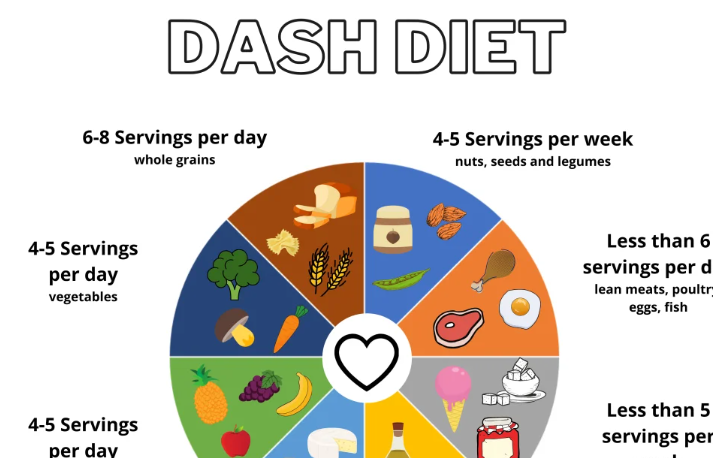
Taking care of your heart is one of the most meaningful ways to support overall well-being and long-term vitality. While many people think about heart health only during medical visits or moments of concern, building a daily routine that gently supports cardiovascular wellness can make a
lasting difference. A supportive routine does not need to be complicated or strict. Instead, it can be a flexible set of positive habits that encourage balance, enjoyment, and consistency.
A helpful starting point is to focus on awareness. Becoming more mindful of everyday choices allows you to gradually shift toward habits that nurture your heart. This may include paying attention to how different foods make you feel, noticing your energy levels throughout the day, and
observing how stress affects your mood and body. Awareness builds a foundation for change without pressure. It invites curiosity rather than judgment, helping you move forward at a pace that feels comfortable.
Nutrition plays an important role in supporting heart wellness. A balanced eating pattern that includes a variety of colorful fruits and vegetables, whole grains, lean protein sources, and healthy fats can help maintain energy and support overall function. Preparing meals at home when possible allows you to experiment with flavors while also being more mindful of ingredients. Simple practices such as adding fresh herbs, choosing water as a refreshing beverage, or enjoying meals without distractions can make eating a more satisfying and supportive experience.
Movement is another key element of a heart-friendly routine. Physical activity does not have to mean intense workouts or strict schedules. Instead, it can involve finding enjoyable ways to stay active throughout the day. Walking in a park, stretching in the morning, dancing to favorite music, or taking the stairs when available are all examples of gentle ways to encourage circulation and endurance. Consistency often matters more than intensity. When movement feels pleasant and sustainable, it becomes easier to maintain over time.
Rest and recovery are equally valuable components of heart wellness. Sleep gives the body time to restore and regulate important systems. Creating a calming evening routine can help signal to the body that it is time to unwind. This might include dimming lights, reducing screen time, reading a book, or practicing quiet reflection. A comfortable sleep environment, along with regular sleep and wake times, can support a more restorative night’s rest. Over time, better sleep can contribute to improved mood, concentration, and daily resilience.
Stress management is another area where small, thoughtful habits can have a meaningful impact. Modern life often brings competing demands and constant stimulation. Developing supportive ways to handle stress helps protect emotional balance as well as physical well-being. Mindful breathing, gentle meditation, journaling, or spending time in nature can help create moments of calm. Connecting with loved ones and sharing experiences can also ease tension and foster a sense of belonging. Even brief pauses during the day can help reset perspective and renew focus.
Hydration is sometimes overlooked, yet it remains an important part of maintaining a supportive routine. Drinking enough fluids helps the body function smoothly and can enhance overall comfort. Keeping a reusable water bottle nearby can serve as a friendly reminder to stay hydrated. Herbal teas or fruit-infused water may add variety and enjoyment. Listening to your body’s signals can guide you in maintaining a steady balance throughout the day.
Building a routine that supports heart wellness also involves creating an environment that encourages positive choices. Organizing living and work spaces so that healthy options are easily accessible can make a difference. For example, keeping nutritious snacks within reach or setting aside a small area for stretching or relaxation can help reinforce supportive habits. When your surroundings reflect your goals, it becomes easier to stay motivated and consistent.
Another important aspect of heart wellness is cultivating a positive mindset. Self-compassion and patience can help you navigate challenges without discouragement. It is natural to have days when plans change or routines feel difficult to maintain. Viewing these moments as opportunities to learn rather than setbacks can help sustain progress. Celebrating small achievements and recognizing personal growth adds a sense of accomplishment and joy to the journey.
Regular check-ins with healthcare professionals can also be a valuable part of a supportive routine. Preventive visits provide an opportunity to discuss concerns, track progress, and receive personalized guidance. Open communication encourages a collaborative approach to wellness. It also helps ensure that any adjustments to lifestyle habits are aligned with individual needs and goals.
Social engagement contributes to heart wellness in ways that extend beyond physical health. Spending time with friends, family, or community groups can boost emotional well-being and create a sense of connection. Shared activities such as cooking, walking, or participating in creative hobbies can strengthen relationships while also supporting healthy routines. Feeling supported by others often makes it easier to maintain motivation and enthusiasm.
Technology can play a supportive role when used thoughtfully. Digital tools that track activity, provide relaxation exercises, or offer meal inspiration may help reinforce positive habits. However, balancing screen time with offline experiences remains important. Choosing moments to unplug and engage fully with your surroundings can help restore mental clarity and promote calm.
As you build your routine, flexibility is key. Life circumstances change, and a supportive approach allows you to adapt without losing momentum. Adjusting schedules, exploring new activities, or experimenting with different wellness strategies can keep the process fresh and engaging. Over time, these evolving habits become integrated into daily life, creating a natural rhythm that supports heart wellness.
Ultimately, creating a supportive routine for heart wellness is about nurturing both body and mind with care and intention. By focusing on balanced nutrition, enjoyable movement, restorative rest, stress awareness, hydration, and meaningful connections, you can cultivate a lifestyle that feels both sustainable and fulfilling. Each positive step, no matter how small, contributes to a stronger foundation for overall well-being. With consistency and kindness toward yourself, heart-supportive habits can become a lasting source of vitality and confidence.