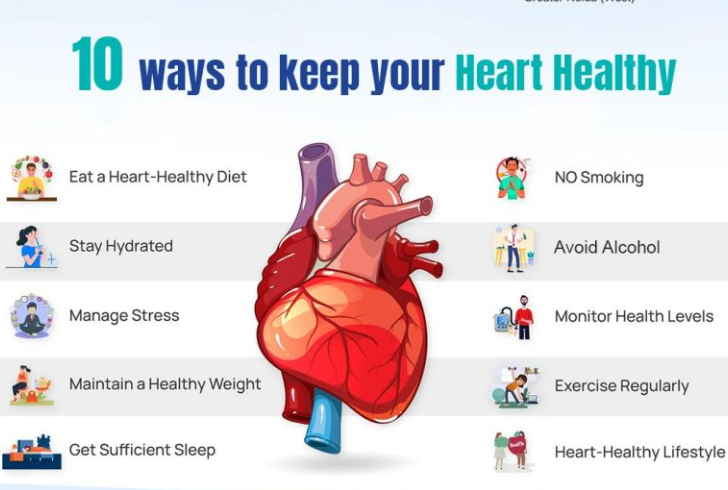
Caring for the heart is one of the most meaningful ways to invest in long term well being. The heart works continuously to sustain life, quietly supporting every movement, thought, and feeling. Encouraging progress in heart friendly living is not about sudden dramatic changes or strict rules. It is about building steady, realistic habits that make everyday life healthier, calmer, and more fulfilling. When people view heart care as a positive journey rather than a burden, they are more likely to stay motivated and experience lasting benefits.
A heart friendly lifestyle begins with awareness. Understanding how daily choices influence overall health can inspire individuals to make thoughtful decisions. Simple knowledge about nutrition, activity, rest, and emotional balance can empower people to take small steps forward. This awareness does not require medical expertise or complex plans. It can grow through conversations, reliable educational resources, and personal reflection. The more individuals learn about caring for themselves, the more confident they become in shaping routines that support their hearts.
Nutrition plays a central role in heart friendly living. Choosing fresh, balanced meals can contribute to energy, comfort, and resilience. Progress does not mean eliminating favorite foods or following rigid trends. Instead, it involves gradually adding nourishing ingredients such as fruits, vegetables, whole grains, and plant based proteins. These foods can be prepared in delicious ways that celebrate culture and personal taste. Cooking at home more often and being mindful of portion sizes can also encourage healthier patterns. Over time, people often discover that flavorful, wholesome meals can be deeply satisfying and enjoyable.
Physical activity is another important pathway to heart friendly progress. Movement helps support circulation, flexibility, and emotional well being. Encouraging activity does not mean committing to intense workouts or competitive sports. Walking in nature, dancing at home, stretching in the morning, or engaging in community recreation can all be meaningful forms of exercise. The key is consistency and enjoyment. When people find activities they truly like, they are more likely to remain active. Even short sessions throughout the day can contribute to a sense of accomplishment and vitality.
Rest and recovery are sometimes overlooked aspects of heart care. Adequate sleep allows the body to repair, recharge, and maintain balance. Establishing calming bedtime routines and creating a peaceful sleep environment can support deeper rest. Reducing late night screen use and finding time to unwind can help the mind settle naturally. When individuals prioritize restorative sleep, they often notice improvements in mood, focus, and physical comfort. These positive changes can strengthen motivation to continue heart friendly habits.
Emotional well being also shapes the journey toward healthier living. Stress, worry, and social pressures can influence lifestyle choices and overall resilience. Encouraging progress means fostering environments where people feel supported and valued. Spending time with loved ones, practicing gratitude, or exploring creative hobbies can help nurture emotional stability. Mindful breathing, meditation, or quiet reflection can offer moments of calm during busy days. When emotional health is respected as part of heart care, individuals are more likely to approach change with kindness toward themselves.
Community engagement can make heart friendly living more sustainable and inspiring. Shared goals and encouragement can transform personal efforts into collective growth. Participating in local wellness activities, cooking groups, or neighborhood walks can create a sense of belonging. These experiences remind people that progress is not a solitary path. Learning from others and celebrating small victories together can build lasting motivation. Supportive communities can also help spread awareness about the value of preventive care and balanced lifestyles.
Setting realistic goals is an effective way to encourage continuous progress. Instead of striving for perfection, individuals can focus on manageable improvements that fit into their routines. This might include drinking more water each day, choosing active transportation when possible, or preparing healthier meals during the week. Tracking progress gently and acknowledging achievements can reinforce positive habits. Over time, these incremental steps often lead to meaningful transformations. The journey becomes less about restriction and more about discovering what truly supports comfort and well being.
Education and access to trustworthy information are essential for fostering heart friendly environments. Clear guidance from reputable sources can help people make informed choices without confusion or fear. Community programs, workplace initiatives, and family discussions can all contribute to spreading knowledge. When individuals feel informed, they are more likely to take proactive steps toward healthier living. This empowerment can lead to greater confidence and a stronger sense of personal responsibility for well being.
Technology can also play a supportive role in encouraging heart friendly progress. Digital tools that track activity, remind users to rest, or offer educational content can help individuals stay engaged. When used mindfully, these tools can provide motivation and structure. They can also connect people with supportive networks and helpful resources. The goal is not to depend on technology but to use it as a gentle guide that reinforces positive choices.
Ultimately, encouraging progress in heart friendly living is about cultivating a mindset of patience and optimism. Change takes time, and every small effort deserves recognition. By focusing on balance rather than extremes, individuals can create lifestyles that feel sustainable and rewarding. The heart responds positively to consistent care, supportive relationships, and thoughtful daily routines. As people embrace gradual improvement, they often find greater joy, resilience, and confidence in their journey.
Heart friendly living is not a destination but an evolving path shaped by personal experiences and values. By staying curious, compassionate, and open to growth, individuals can continue discovering new ways to nurture their well being. Encouraging progress means celebrating each step forward and trusting that meaningful change can emerge from simple, steady actions. Through awareness, connection, and dedication, anyone can move toward a life that supports both heart health and overall happiness.