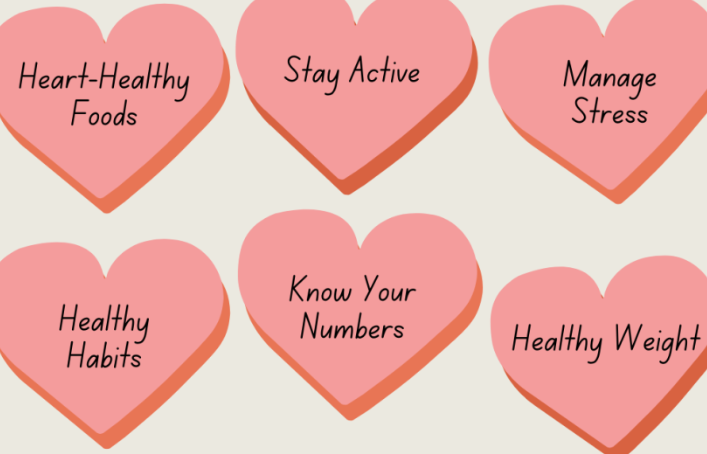
Healthy circulation plays a quiet yet powerful role in everyday well-being. It supports the body’s ability to deliver oxygen and nutrients to cells while helping remove waste products. When circulation is working smoothly, people often feel more energized, comfortable, and balanced throughout their daily routines. While circulation challenges can arise for many reasons, the good news is that gentle, consistent lifestyle habits can help support overall cardiovascular wellness. With a friendly mindset and practical steps, anyone can begin to build a routine that encourages healthy circulation in a natural and sustainable way.
One of the simplest and most effective ways to support circulation is to keep the body moving. Regular physical activity helps stimulate blood flow, strengthen the heart, and maintain flexibility in blood vessels. This does not require intense workouts or complicated fitness plans. Even small moments of movement throughout the day can make a positive difference. Taking a short walk, stretching during breaks, or choosing the stairs when possible can help keep circulation active. Many people find that setting a comfortable pace and gradually increasing activity over time feels both encouraging and achievable.
Staying hydrated is another gentle habit that contributes to circulation health. Water helps maintain blood volume and supports the body’s natural processes. Making hydration part of daily routines can be as simple as keeping a refillable water bottle nearby or enjoying herbal teas during quiet moments. Listening to the body’s thirst cues and choosing beverages that support overall wellness can help create a consistent pattern of hydration. Over time, this simple practice can become a refreshing and uplifting part of the day.
Balanced nutrition also plays an important role in circulation-friendly living. Choosing a variety of colorful fruits and vegetables, whole grains, lean proteins, and healthy fats can help support heart and vascular health. Many people find that focusing on fresh, wholesome ingredients makes meals both nourishing and enjoyable. Simple cooking methods such as steaming, baking, or light sautéing can preserve natural flavors and nutrients. Mindful eating habits, such as slowing down during meals and savoring each bite, can also contribute to a positive relationship with food and wellness.
Comfortable posture and regular stretching can provide additional encouragement for healthy circulation. Sitting or standing in one position for long periods may make the body feel stiff or tired. Gentle posture adjustments and periodic stretching breaks can help maintain comfort and support natural blood flow. Some individuals enjoy setting reminders to stand, roll their shoulders, or stretch their legs during busy days. These small moments of movement can bring both physical relief and mental clarity.
Quality rest is often overlooked when discussing circulation, yet it is an essential part of overall well-being. During sleep, the body restores energy and supports important internal functions. Creating a calm bedtime routine can encourage more restful sleep. This might include dimming lights, limiting screen time before bed, or practicing relaxation techniques such as deep breathing. Over time, consistent sleep habits can contribute to a refreshed feeling in the morning and help maintain a steady sense of balance throughout the day.
Stress management is another supportive factor in promoting circulation-friendly habits. Everyday responsibilities can sometimes feel overwhelming, and finding healthy ways to unwind can make a meaningful difference. Gentle activities such as listening to soothing music, spending time in nature, journaling, or engaging in creative hobbies can help reduce tension. Taking a few moments to pause and breathe deeply can help bring awareness back to the present moment. When the mind feels calmer, the body often responds with a greater sense of ease.
Wearing comfortable clothing and supportive footwear can also contribute to daily circulation comfort. Garments that allow freedom of movement may help individuals stay active and relaxed. Choosing shoes that provide adequate support can encourage walking and other forms of gentle exercise. Paying attention to how the body feels throughout the day can guide choices that support both comfort and mobility.
Some people find it helpful to incorporate relaxation-based movement practices into their routines. Activities such as gentle yoga, light stretching sessions, or mindful breathing exercises can support flexibility and circulation awareness. These practices can be adapted to suit different fitness levels and schedules. Setting aside even a few minutes each day for mindful movement can create a sense of connection between physical health and emotional well-being.
Consistency is often more important than perfection when building circulation-supportive habits. Small, positive choices made regularly can add up over time. Celebrating progress, no matter how gradual, can help maintain motivation. It can be helpful to focus on how these habits contribute to everyday comfort, energy, and confidence. When individuals approach wellness with kindness and patience, they are more likely to develop routines that feel sustainable and rewarding.
Community and social support can also play a role in encouraging healthy lifestyle patterns. Sharing walks with a friend, preparing meals with family members, or participating in group activities can make wellness practices more enjoyable. Positive connections often inspire accountability and uplift mood, both of which can indirectly support overall health. Feeling supported can make it easier to stay committed to beneficial daily habits.
Finally, it is important to remember that everyone’s wellness journey is unique. What works well for one person may differ for another. Paying attention to personal comfort levels and seeking professional guidance when needed can help individuals make informed choices. Gentle self-awareness allows people to adapt habits in ways that align with their own needs and goals.
Healthy circulation habits do not have to feel complicated or restrictive. With a friendly and encouraging approach, simple actions such as moving regularly, staying hydrated, eating balanced meals, resting well, and managing stress can contribute to a more comfortable and energized daily life. By focusing on steady progress and mindful choices, individuals can create routines that support overall wellness and help them feel their best each day.