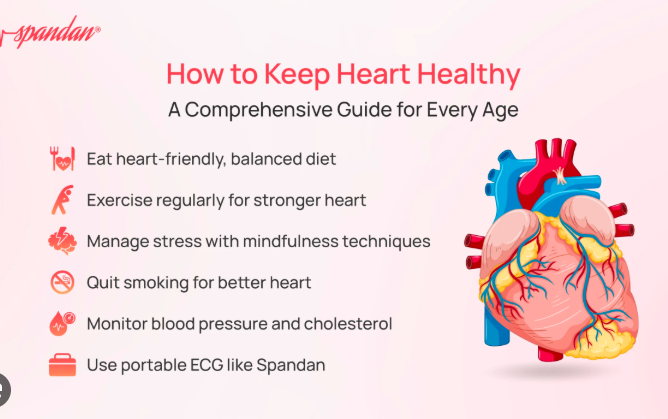
Caring for your heart is one of the most meaningful journeys you can take in life. It is not a race or a challenge that must be completed quickly. Instead, it is a gentle process that grows stronger through patience, consistency, and kindness toward yourself. When you begin to see heart care as a long-term commitment rather than a short-term goal, it becomes easier to make small changes that truly last.
Many people imagine heart health as something complicated or intimidating. They may think it requires strict routines, sudden lifestyle changes, or intense pressure to be perfect. In reality, caring for your heart can start with simple steps. Choosing to walk a little more often, drinking enough water during the day, or setting aside time to relax are all meaningful actions. These small decisions, when repeated over time, can create a strong foundation for overall well-being.
Patience plays a key role in this journey. The body adapts gradually, and meaningful progress often happens quietly. When you take time to build healthy habits, you allow your heart to adjust naturally. This approach can help reduce stress and make positive changes feel more comfortable. Instead of focusing on quick results, it is helpful to appreciate the steady improvements that come from daily care.
Listening to your body is another valuable skill. Each person experiences health in a unique way, and what works for one individual may not feel right for another. Paying attention to your energy levels, sleep quality, and mood can offer helpful clues about what your heart and body need. By responding gently to these signals, you create a supportive environment where healthy choices feel more natural.
Daily movement is often described as an important part of heart care. This does not have to mean intense exercise or long sessions at the gym. Activities such as walking, stretching, dancing, or gardening can all contribute to a more active lifestyle. The key is to choose movement that feels enjoyable and sustainable. When you find pleasure in staying active, it becomes easier to remain consistent over time.
Food choices also play a role in supporting heart wellness. Rather than thinking about strict rules, it can be helpful to focus on balance and variety. Including colorful fruits and vegetables, whole grains, and nourishing meals can add both enjoyment and value to your routine. Taking time to prepare and savor meals can also create a positive connection with healthy eating habits. Over time, these mindful choices may contribute to a greater sense of vitality.
Emotional well-being is closely connected to heart care as well. Stress, worry, and ongoing tension can affect how you feel physically and mentally. Learning to slow down and create moments of calm can make a meaningful difference. Simple practices such as deep breathing, spending time in nature, or connecting with supportive friends can help create a sense of balance. When emotional health is nurtured, the journey toward caring for your heart may feel more peaceful.
Sleep is another important aspect that is sometimes overlooked. Quality rest gives your body time to recover and recharge. Creating a comfortable sleep routine can be as simple as going to bed at a consistent time, reducing distractions before sleep, and allowing your mind to unwind. Over time, better sleep habits may support your overall sense of well-being and help you feel more prepared for each new day.
Building healthy habits often involves overcoming moments of doubt or frustration. It is natural to experience setbacks or days when motivation feels low. During these times, patience becomes especially important. Instead of being critical of yourself, try to approach challenges with understanding. Every step forward, no matter how small, contributes to a bigger picture. By focusing on progress rather than perfection, you can maintain a positive mindset.
Support from others can also make a difference. Sharing goals with friends or family members may create encouragement and accountability. Whether it is taking a walk together, preparing meals as a group, or simply talking about daily experiences, these connections can add warmth and motivation to your routine. Feeling supported can make the journey toward heart care feel less lonely and more enjoyable.
Another helpful perspective is to celebrate small milestones. Recognizing moments such as choosing a healthier option, completing a week of regular movement, or managing stress more calmly can build confidence. These celebrations do not need to be elaborate. A quiet moment of appreciation or a note in a journal can remind you of how far you have come. Over time, these positive reflections can strengthen your commitment to caring for your heart.
Technology and modern lifestyles sometimes encourage fast results and constant comparison. It can be easy to feel pressure to achieve rapid changes or match the progress of others. However, true heart care often grows through steady and personal effort. By focusing on your own path and respecting your pace, you create a healthier relationship with both your goals and yourself.
Learning about heart wellness from reliable sources can also provide helpful guidance. Educational resources, community programs, or conversations with knowledgeable professionals may offer insights that support your journey. Approaching this information with curiosity rather than fear can help you make informed and balanced decisions. Understanding that health is a lifelong learning process can make each new discovery feel empowering.
Above all, kindness toward yourself is essential. The way you speak to yourself and respond to challenges shapes your overall experience. Encouraging words, realistic expectations, and moments of gratitude can transform the journey into one of growth rather than pressure. When you treat yourself with patience, caring for your heart becomes an act of self-respect rather than obligation.
In the end, learning to care for your heart is about creating a life that feels balanced and fulfilling. It is a process shaped by daily choices, supportive relationships, and a willingness to grow at your own pace. By embracing patience and maintaining a gentle approach, you allow positive habits to develop naturally. Over time, this steady commitment can contribute to a stronger sense of well-being and a more hopeful outlook for the future.