Circulation plays an important role in everyday comfort and overall vitality. When blood flows efficiently through the body, it helps deliver oxygen and nutrients to tissues while supporting natural energy levels and balance. Many people become interested in gentle, practical ways to encourage healthy circulation as part of a broader wellness routine. Exploring supportive lifestyle strategies can be an empowering step toward feeling more active, relaxed, and in tune with personal wellbeing.
One of the simplest starting points for supporting circulation is regular movement. The body is designed to be active, and even light activity may help promote healthy blood flow. Walking at a comfortable pace, stretching in the morning, or engaging in low-impact exercises such as yoga or swimming can all contribute to a sense of physical ease. Consistency often matters more than intensity. By making movement a daily habit, individuals may notice gradual improvements in how energized and flexible they feel.
Posture awareness can also play a role in circulation support. Spending long hours sitting or standing in one position may lead to temporary feelings of stiffness or heaviness. Taking short breaks to change position, gently stretch, or walk around can help the body maintain a natural rhythm. Creating a workspace that encourages comfortable posture, such as adjusting chair height or positioning screens at eye level, may further contribute to physical comfort throughout the day.
Hydration is another supportive element often associated with wellness routines. Drinking enough water helps maintain normal bodily processes and may contribute to a sense of refreshed vitality. While individual needs vary depending on climate, activity level, and personal preferences, keeping a water bottle nearby can serve as a friendly reminder to stay hydrated. Some people also enjoy incorporating herbal infusions or naturally flavored water as part of their daily habits.
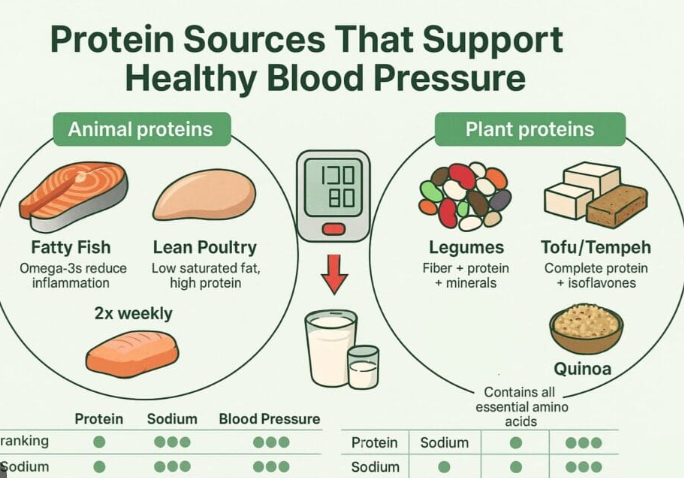
Nutrition can offer additional opportunities to support circulation in a balanced way. Choosing a variety of colorful fruits and vegetables, whole grains, and sources of healthy fats may help the body receive nutrients that play a role in overall wellbeing. Foods that are naturally rich in vitamins, minerals, and antioxidants can be part of a nourishing pattern of eating. Rather than focusing on restrictive approaches, many wellness enthusiasts find it helpful to think in terms of variety, moderation, and enjoyment.
Relaxation and stress management are often overlooked but may influence how the body feels from day to day. Gentle breathing exercises, meditation, or spending quiet moments in nature can encourage a sense of calm. When the mind and body feel at ease, individuals may become more aware of subtle signals such as tension or fatigue. Responding with rest, stretching, or mindful movement can help support a more balanced daily rhythm.
Sleep quality is closely connected to overall vitality and comfort. Creating a restful nighttime routine may help the body recover and maintain natural energy levels. Simple habits such as reducing screen time before bed, keeping the bedroom cool and comfortable, and maintaining consistent sleep schedules can contribute to more restorative rest. Over time, these supportive choices may positively influence how refreshed and motivated people feel during waking hours.
Many individuals also explore gentle self-care techniques such as massage or warm baths as part of their circulation-supporting routines. Light massage movements may create a soothing sensation that encourages relaxation. Similarly, warm water immersion can offer a comforting experience that helps ease temporary muscle tension. These practices are often valued for their calming effects and the opportunity they provide to reconnect with personal wellbeing.
Outdoor experiences can add another dimension to circulation-friendly lifestyles. Spending time in fresh air and natural surroundings may inspire movement and relaxation at the same time. Activities such as gardening, leisurely cycling, or walking along scenic paths allow people to combine physical activity with mental refreshment. Exposure to natural light may also help maintain healthy daily rhythms, contributing to an overall sense of balance.
Foot care and comfortable clothing choices can be practical considerations for those interested in circulation awareness. Wearing well-fitting shoes that support natural movement may help individuals stay active for longer periods without discomfort. Choosing breathable fabrics and avoiding overly tight garments can also contribute to day-to-day comfort. Small adjustments in these areas may support an easier, more relaxed experience during both work and leisure activities.
Mindful routines often become more sustainable when they are enjoyable. Listening to favorite music while exercising, sharing wellness activities with friends, or setting personal goals can help maintain motivation. Rather than striving for perfection, many people find success in celebrating gradual progress and remaining open to discovering what feels best for their own bodies. This positive mindset may encourage consistency and long-term engagement with supportive habits.
It can also be helpful to stay informed about general wellness information while remembering that individual needs are unique. Consulting qualified health professionals for personalized guidance may provide additional reassurance and clarity. Educational resources, community programs, and wellness workshops can offer opportunities to learn more about lifestyle approaches that align with personal goals and preferences.
In today’s fast-paced environment, creating moments for self-care and movement may feel challenging, yet even small steps can make a difference. Choosing stairs instead of elevators, stretching during breaks, or enjoying a short evening walk are examples of gentle strategies that can fit into busy schedules. Over time, these consistent actions may contribute to a more comfortable sense of physical ease and everyday resilience.
Ultimately, discovering wellness strategies that may support circulation is about building a balanced and sustainable lifestyle. By combining regular movement, nourishing nutrition, restful sleep, hydration, and relaxation practices, individuals can create a routine that feels both supportive and enjoyable. Each person’s journey is unique, and exploring different approaches with curiosity and kindness can lead to meaningful insights about personal wellbeing.
Embracing these supportive habits may encourage a deeper connection with the body’s natural rhythms. When people take time to listen to how they feel and respond with thoughtful care, they often develop greater confidence in their ability to maintain healthy routines. Through consistent attention to comfort, balance, and gentle activity, circulation-friendly wellness strategies can become a natural and rewarding part of everyday life.