Taking care of your heart is one of the most meaningful investments you can make in your overall wellbeing. The heart works continuously throughout your life, supporting every movement, thought, and feeling. While there is no single formula for lifelong heart strength, adopting practical, balanced daily habits can help support cardiovascular wellness in a sustainable and enjoyable way. By focusing on simple lifestyle choices rather than dramatic changes, many people find it easier to stay consistent and feel confident in their progress.
A good starting point is developing awareness of how daily routines affect the body. Heart strength is influenced by patterns that accumulate over time, such as sleep habits, physical activity, food choices, and emotional balance. Paying attention to how you feel after different activities or meals can offer helpful clues. Gentle self-observation encourages mindful adjustments that support long-term wellbeing rather than quick fixes or restrictive approaches.
Movement is an essential part of maintaining heart vitality. Regular physical activity helps support circulation, stamina, and energy levels. This does not necessarily mean intense workouts or complicated fitness plans. Many people benefit from simple, accessible activities like brisk walking, cycling at a comfortable pace, swimming, stretching, or dancing. Choosing activities that feel enjoyable increases the likelihood of maintaining them over time. Consistency is often more helpful than intensity, and small steps taken daily can gradually build resilience and confidence.
In addition to structured exercise, everyday movement also plays a meaningful role. Taking the stairs when possible, gardening, doing household tasks, or walking short distances instead of driving can contribute to an active lifestyle. These natural forms of motion support heart strength while blending seamlessly into daily routines. By viewing movement as a normal part of living rather than a separate obligation, many people discover that staying active becomes less stressful and more rewarding.
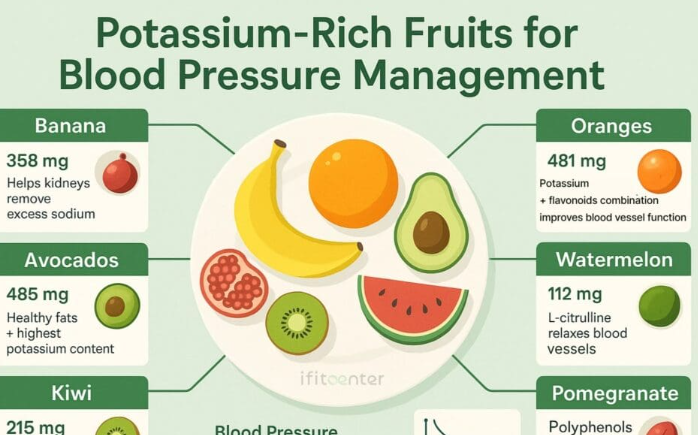
Nutrition is another important area to consider. Balanced eating patterns that include a variety of foods can support overall wellness and help maintain steady energy. Many people find it helpful to include fresh fruits, vegetables, whole grains, lean protein sources, and healthy fats in their meals. Drinking enough water throughout the day also supports the body’s natural processes. Rather than focusing on strict rules or eliminating entire food groups, a flexible and moderate approach often encourages a healthier relationship with food and reduces unnecessary pressure.
Portion awareness can also make a difference. Eating slowly and paying attention to hunger and fullness cues helps create a more satisfying experience. Preparing meals at home when possible allows greater control over ingredients and cooking methods. Sharing meals with family or friends can add a social dimension that supports emotional wellbeing, which is closely linked to heart health. When eating out, choosing balanced options and savoring flavors without guilt can contribute to a positive and sustainable mindset.
Quality sleep is frequently overlooked but plays a vital role in maintaining heart strength. Rest allows the body to recover and regulate important functions. Establishing a calming bedtime routine, maintaining a comfortable sleep environment, and aiming for consistent sleep schedules can help improve restfulness. Reducing exposure to bright screens before bedtime and engaging in relaxing activities such as reading or gentle stretching may support more refreshing sleep patterns. Feeling well rested often enhances motivation to make healthy choices during the day.
Managing everyday stress is another practical consideration. Modern life can bring constant demands, and learning constructive ways to respond to challenges can benefit both mental and physical wellbeing. Techniques such as mindful breathing, spending time in nature, journaling, or engaging in creative hobbies may help promote a sense of calm. Building supportive relationships and maintaining open communication with trusted individuals can also create a foundation of emotional strength. When stress feels overwhelming, seeking guidance from qualified professionals can provide additional reassurance and perspective.
Regular health checkups are a helpful part of caring for the heart. Preventive visits allow individuals to stay informed about their general condition and receive personalized advice. Healthcare providers can offer guidance tailored to age, lifestyle, and family history. Staying informed through credible sources and asking thoughtful questions helps individuals feel empowered rather than anxious about their wellbeing. Balanced awareness encourages proactive choices without creating unnecessary worry.
Avoiding harmful habits can further support heart strength. For example, limiting exposure to tobacco smoke and moderating alcohol intake are widely recognized as supportive lifestyle decisions. Choosing positive alternatives such as engaging in physical activity, enjoying social gatherings that do not revolve around unhealthy habits, or exploring relaxation techniques can create healthier routines. Small shifts in daily behavior often lead to meaningful improvements over time.
Staying socially connected also contributes to a healthy lifestyle. Friendships, family interactions, and community involvement can create a sense of belonging and purpose. Participating in group activities such as walking clubs, volunteering, or learning new skills together can make heart-supportive habits feel enjoyable rather than burdensome. Positive social experiences often inspire motivation and resilience, which are valuable for maintaining consistent routines.
Another useful perspective is setting realistic goals. Attempting to change too many habits at once can feel overwhelming and may reduce long-term success. Instead, focusing on one or two manageable adjustments at a time helps build confidence. Celebrating small achievements, such as adding an extra walk to the weekly schedule or preparing a nourishing meal at home, reinforces positive momentum. Over time, these gradual improvements can shape a lifestyle that supports heart strength naturally.
Listening to the body is equally important. Everyone’s needs and preferences are different, and what works well for one person may not suit another. Paying attention to comfort levels, energy patterns, and personal interests helps create a balanced approach. Flexibility allows individuals to adapt routines as life circumstances change, ensuring that heart-supportive habits remain practical and sustainable.
In conclusion, maintaining heart strength is often less about dramatic transformation and more about steady, thoughtful living. By incorporating regular movement, balanced nutrition, quality sleep, stress awareness, and supportive relationships into daily life, individuals can foster a sense of vitality and confidence. Friendly, realistic guidance encourages long-term consistency and reduces pressure, making heart-conscious living feel approachable and rewarding. Through mindful choices and gradual progress, caring for the heart becomes a natural expression of overall wellbeing rather than a temporary goal.