Many people spend years focusing on visible aspects of wellness such as weight, skin care, or physical strength, yet overlook one of the body’s most important support systems: circulation. Becoming more aware of how circulation influences daily comfort and vitality can open the door to renewed confidence and a more positive relationship with personal health. Circulation awareness is not about fear or alarm. Instead, it is about learning to listen to the body, making thoughtful lifestyle choices, and building trust in the small, steady steps that contribute to overall well-being.
Circulation refers to the movement of blood throughout the body, delivering oxygen and nutrients while helping remove natural waste products. When people begin to understand how this process supports energy levels, temperature balance, and physical comfort, they often discover that improving awareness of circulation can feel empowering rather than overwhelming. This awareness invites curiosity. It encourages individuals to observe how daily routines, posture, hydration, and movement influence how they feel from morning to evening.
Confidence grows when people shift their mindset from reacting to discomfort toward proactively supporting healthy habits. Gentle lifestyle adjustments can create a noticeable sense of control. For example, staying hydrated throughout the day may help maintain normal bodily functions and support a general feeling of vitality. Choosing comfortable clothing that allows natural movement can also contribute to ease and relaxation. Even small moments of stretching or mindful walking can remind individuals that caring for circulation does not require drastic change. It can begin with consistent, simple actions that fit naturally into everyday life.
Circulation awareness also encourages a deeper appreciation of rest and balance. Modern schedules often celebrate productivity and constant motion, but confidence can flourish when people recognize the value of slowing down. Taking short breaks to breathe deeply, change posture, or gently move the body can support both mental clarity and physical comfort. These moments are not interruptions. They are opportunities to reconnect with the body’s natural rhythms and support a sense of calm steadiness.
Another important aspect of circulation awareness involves paying attention to how the body responds to different environments. Temperature changes, long periods of sitting, or demanding physical activity may influence how people feel. Rather than viewing these experiences as setbacks, individuals can learn to interpret them as signals that guide smarter choices. This perspective transforms awareness into a tool for self-understanding. Over time, people often find that they feel more confident navigating daily demands because they recognize the subtle cues that encourage balance.
Confidence is also shaped by mindset. When circulation awareness becomes part of a positive wellness journey, it helps replace uncertainty with knowledge. Reading credible information, speaking with qualified professionals when needed, and maintaining realistic expectations can create a sense of reassurance. Awareness does not mean assuming the worst. It means staying informed and engaged with one’s own well-being in a thoughtful, respectful way.
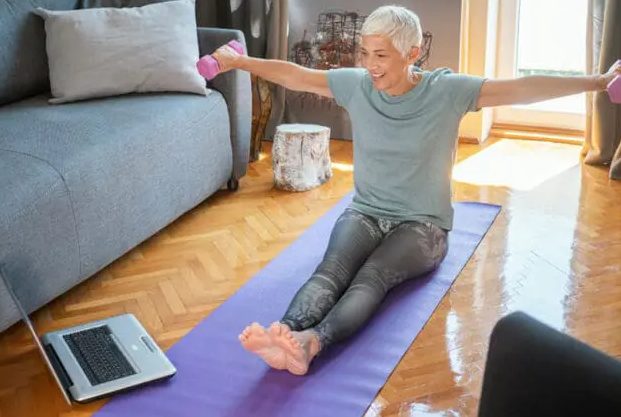
Movement plays a particularly meaningful role in strengthening confidence. Regular physical activity suited to individual comfort levels can support general health and provide a sense of accomplishment. This does not require intense workouts or complicated routines. Activities such as walking, light stretching, or gentle recreational sports can offer both enjoyment and a sense of progress. The key is consistency and listening to personal limits. When people move with intention rather than pressure, they often discover renewed trust in their body’s abilities.
Nutrition also contributes to the broader picture of circulation awareness. Balanced meals that include a variety of nutrients can help support overall wellness and maintain energy throughout the day. Eating slowly and mindfully can transform meals into moments of self-care rather than hurried obligations. This approach fosters confidence because it reinforces the idea that every choice, no matter how small, has the potential to support long-term comfort and resilience.
Equally important is the emotional dimension of circulation awareness. Stress and tension can influence how people perceive physical sensations. Developing calming practices such as mindful breathing, quiet reflection, or engaging hobbies can nurture a more relaxed state of mind. When individuals feel emotionally grounded, they are often better able to interpret their body’s signals with clarity rather than worry. Confidence grows naturally when awareness is paired with self-compassion.
Social support can further strengthen this journey. Sharing wellness goals with friends, family members, or community groups may create a sense of accountability and encouragement. Conversations about health and comfort can help normalize experiences that many people silently share. This openness fosters confidence by reminding individuals that they are not alone in learning about their bodies. Collective awareness often leads to positive motivation and a stronger commitment to maintaining healthy habits.
Technology and modern resources also offer new opportunities for learning. Educational articles, wellness apps, and guided programs can provide helpful insights into maintaining daily balance. When used thoughtfully, these tools can inspire confidence by making information more accessible. However, it is important to approach digital resources with discernment. Focusing on reputable guidance helps ensure that awareness remains constructive rather than confusing.
Discovering new confidence through circulation awareness is ultimately about cultivating trust. It involves trusting the body’s signals, trusting the value of consistent routines, and trusting that gradual improvement is both meaningful and achievable. This journey is not defined by perfection. It is shaped by patience, curiosity, and a willingness to grow. Every step toward awareness can contribute to a stronger sense of personal empowerment.
Over time, individuals who embrace circulation awareness often notice that confidence extends beyond physical comfort. It influences posture, mood, and daily decision-making. When people feel supported by their own habits and knowledge, they may approach challenges with greater optimism. This transformation highlights the connection between physical awareness and emotional resilience. By nurturing both, individuals can create a balanced foundation for lasting well-being.
In the end, circulation awareness is less about focusing on limitations and more about celebrating possibilities. It encourages a friendly, supportive dialogue with the body that can evolve over a lifetime. Through mindful movement, balanced routines, and a positive outlook, anyone can begin to experience the quiet confidence that comes from understanding how their body works. This awareness does not demand dramatic change. It simply invites steady attention and a willingness to care for oneself in thoughtful, meaningful ways.