Healthy circulation is one of the quiet foundations of everyday wellbeing. It supports the natural flow of oxygen and nutrients throughout the body, helps maintain comfortable energy levels, and contributes to a sense of balance that many people value in their daily lives. While circulation is often discussed in medical or technical terms, it can also be approached in a positive, uplifting way. By embracing simple lifestyle habits that encourage natural movement and relaxation, individuals can discover genuine joy in caring for their circulatory wellness.
One of the most rewarding aspects of supporting healthy circulation is how accessible it can be. Gentle movement, mindful routines, and consistent self-care practices can all play a role in helping the body feel more comfortable and energized. Many people find that even small changes in their daily habits can create noticeable improvements in how they feel throughout the day. Approaching circulation practices with curiosity and kindness toward oneself can transform routine wellness steps into moments of personal satisfaction.
Regular physical activity is often considered a cornerstone of circulation-friendly living. This does not necessarily mean intense or strenuous exercise. Activities such as walking in a pleasant outdoor setting, stretching at home, or engaging in low-impact fitness classes can help encourage natural blood flow while also supporting mood and overall vitality. Movement stimulates the muscles and promotes a gentle rhythm within the body, which can contribute to a sense of lightness and comfort. When these activities are chosen based on personal enjoyment rather than obligation, they become sustainable sources of joy.
Hydration also plays an important role in supporting everyday wellness. Drinking enough water helps the body maintain its natural balance and supports many internal processes that contribute to circulation. Some individuals enjoy turning hydration into a mindful ritual by choosing refreshing beverages, using attractive reusable bottles, or setting friendly reminders throughout the day. These small gestures can make wellness feel approachable and enjoyable rather than restrictive.
Nutrition is another area where individuals can explore positive habits that align with circulation-friendly lifestyles. Meals that include a variety of colorful fruits, vegetables, whole grains, and nourishing proteins can help create a sense of satisfaction while supporting the body’s natural functions. Cooking at home or trying new recipes can also be a creative outlet that adds excitement to wellness routines. The process of preparing balanced meals often encourages mindfulness, allowing individuals to appreciate the connection between what they eat and how they feel.
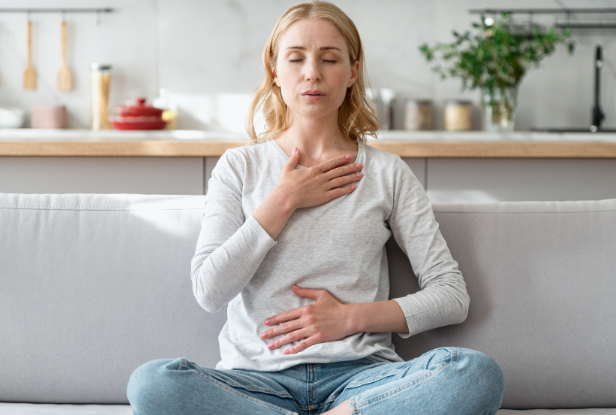
Relaxation practices can also complement healthy circulation routines. Activities such as deep breathing exercises, gentle yoga, or moments of quiet reflection may help individuals feel more centered and calm. When stress levels are reduced, many people notice improvements in their overall sense of wellbeing. Taking time to unwind is not simply a luxury but a meaningful part of a balanced lifestyle. Discovering joy in these peaceful moments can inspire consistency and help create a sustainable approach to wellness.
Comfortable posture and ergonomic awareness are additional factors that can support everyday circulation practices. Many people spend long hours sitting at desks or using digital devices, which can contribute to stiffness or fatigue. Simple habits like adjusting chair height, taking regular movement breaks, or stretching during transitions between tasks can help maintain comfort and encourage natural flow throughout the body. Over time, these mindful adjustments can transform the workday into an opportunity for gentle self-care.
Community and social connection can also enhance the experience of caring for circulation health. Participating in group walks, wellness classes, or shared outdoor activities can make healthy habits more enjoyable. Supportive environments often motivate individuals to stay consistent with their routines while also fostering meaningful relationships. Celebrating small milestones together, such as completing a scenic hike or maintaining a daily movement habit, can bring a sense of accomplishment and shared joy.
Seasonal changes offer unique opportunities to refresh circulation-friendly practices. Warmer months might inspire outdoor exploration, gardening, or swimming, while cooler seasons may encourage cozy indoor stretching routines or creative home fitness solutions. Embracing the natural rhythm of the year allows individuals to adapt their wellness habits in ways that feel exciting and relevant. This sense of variety helps prevent routines from feeling repetitive and encourages ongoing engagement.
Technology can also serve as a helpful companion in supporting healthy circulation habits. Many people enjoy using wellness apps or wearable devices to track movement, monitor activity levels, or set friendly goals. These tools can provide gentle encouragement and help individuals celebrate progress over time. When used mindfully, digital resources can enhance motivation without creating pressure or unrealistic expectations.
Perhaps one of the most important aspects of discovering joy in circulation practices is maintaining a positive mindset. Wellness journeys are deeply personal, and each individual’s path may look different. Approaching self-care with patience and self-compassion can make the process more rewarding. Instead of focusing solely on outcomes, many people find fulfillment in the daily experience of caring for their bodies and creating routines that feel nurturing.
Incorporating small moments of pleasure into circulation-supportive habits can transform them into highlights of the day. Listening to favorite music while walking, enjoying the fresh air during a morning stretch, or savoring a colorful meal can all contribute to a sense of appreciation and contentment. These experiences remind individuals that wellness is not only about discipline but also about enjoyment and connection.
Ultimately, healthy circulation practices can be viewed as an invitation to build a more vibrant and balanced lifestyle. By choosing activities that feel uplifting, maintaining consistent yet flexible routines, and celebrating personal progress, individuals can discover lasting joy in everyday wellness. Over time, these positive habits may contribute to increased confidence, greater comfort, and a deeper appreciation for the body’s natural resilience.
Embracing this joyful perspective encourages people to see wellness not as a set of rigid rules but as an evolving journey. Each step taken toward supportive circulation habits can become a meaningful expression of self-care. With friendly encouragement, openness to new experiences, and a willingness to prioritize personal wellbeing, discovering joy in healthy circulation practices becomes both attainable and deeply rewarding.