Wellness awareness is becoming an important part of everyday life as more people recognize how small, mindful habits can contribute to long-term vitality. One key aspect of overall wellness that deserves greater attention is healthy circulation. Circulation refers to the continuous movement of blood throughout the body, delivering oxygen and nutrients to tissues while supporting natural energy levels and physical comfort. By understanding the value of circulation strength and adopting gentle lifestyle practices that support it, individuals can create a foundation for feeling more active, balanced, and resilient in their daily routines.
Circulation plays a quiet yet essential role in supporting how the body functions. When blood flow moves efficiently, muscles receive nourishment, the brain receives oxygen, and the body’s natural processes can operate more smoothly. While circulation changes naturally with age and lifestyle factors, developing awareness around daily wellness habits can make a positive difference. This awareness does not require dramatic changes or complicated routines. Instead, it can begin with simple choices that encourage movement, hydration, and mindful self-care.
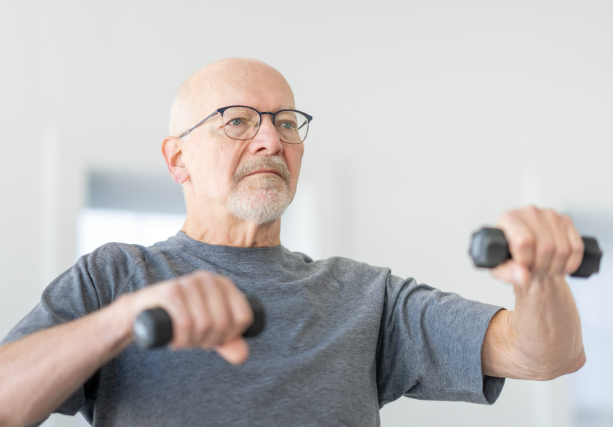
One of the most accessible ways to support circulation strength is through regular physical activity. Movement helps stimulate blood flow by encouraging muscles to contract and relax, which assists the natural rhythm of circulation. Gentle activities such as walking, stretching, or light recreational exercise can be integrated into a busy schedule without feeling overwhelming. Even short breaks to stand up, move around, or change posture can contribute to a sense of renewed energy. By building these small habits into daily life, individuals can gradually cultivate a more active lifestyle that supports comfort and flexibility.
Hydration is another important aspect of circulation awareness. Water supports many natural processes in the body, including the efficient transport of nutrients and oxygen. Drinking adequate fluids throughout the day can help maintain a sense of balance and vitality. Wellness awareness encourages people to listen to their body’s signals and develop consistent hydration habits, such as keeping water nearby or choosing refreshing beverages that complement a healthy routine. These mindful steps can help individuals feel more refreshed and better prepared to meet the demands of their day.
Nutrition also plays a meaningful role in promoting overall wellness and circulation strength. A balanced approach to eating that includes a variety of colorful fruits, vegetables, whole grains, and nourishing foods can contribute to general vitality. Wellness awareness emphasizes enjoyment and sustainability rather than strict rules. Preparing meals with care, savoring flavors, and sharing food experiences with loved ones can enhance both physical and emotional well-being. Over time, these positive habits can help foster a supportive environment for circulation and overall health.
Rest and relaxation are equally valuable components of circulation awareness. Modern lifestyles can be fast-paced, and taking time to unwind can help the body maintain a natural rhythm. Simple relaxation practices such as mindful breathing, gentle stretching before sleep, or spending time in calm surroundings can encourage a sense of ease. When the body feels relaxed, it may support more comfortable movement and a balanced outlook on wellness. Creating moments of rest throughout the week allows individuals to recharge and stay connected to their personal health goals.
Posture and daily ergonomics are often overlooked but can influence how people feel during long hours of work or study. Sitting or standing in supportive positions can help reduce unnecessary strain and promote better comfort. Wellness awareness invites individuals to pay attention to their environment, adjust seating arrangements, and maintain natural alignment whenever possible. These thoughtful adjustments can contribute to a sense of lightness and improved physical confidence over time.
Emotional well-being also has a meaningful connection to physical wellness. Positive social interactions, supportive relationships, and engaging activities can encourage motivation to stay active and maintain healthy habits. When people feel encouraged and connected, they are more likely to continue practices that nurture circulation strength and overall vitality. Wellness awareness highlights the importance of community and shared experiences in building sustainable routines that feel enjoyable rather than burdensome.
Seasonal changes and environmental factors can influence daily energy levels and comfort. Developing awareness of how weather, temperature, and daily schedules affect the body can help individuals make gentle adjustments to their routines. For example, choosing lighter activities during warmer days or engaging in cozy indoor movement during cooler periods can maintain consistency in wellness practices. This flexible approach allows people to remain attentive to their circulation needs while adapting to changing circumstances.
Technology can also play a supportive role in encouraging circulation awareness. Many people find motivation in tracking their steps, setting reminders to move, or exploring digital wellness resources. When used mindfully, these tools can offer gentle guidance and reinforce positive habits. Wellness awareness is not about perfection but about progress, and digital reminders can help individuals stay focused on their goals while celebrating small achievements along the way.
Developing a wellness mindset involves patience and self-compassion. Circulation strength, like many aspects of health, benefits from consistent attention rather than sudden changes. Encouraging people to set realistic expectations and appreciate gradual improvements can foster long-lasting motivation. When wellness becomes part of a daily lifestyle rather than a temporary effort, individuals may notice a greater sense of comfort, energy, and confidence in their routines.
Inspiring wellness awareness for circulation strength is ultimately about empowering people to make informed, positive choices that support their overall quality of life. By embracing movement, nourishment, rest, and emotional balance, individuals can create a harmonious approach to well-being that feels both practical and uplifting. Through gentle encouragement and accessible habits, circulation awareness can become a meaningful part of everyday living, helping people feel more connected to their bodies and more prepared to enjoy life’s many opportunities.