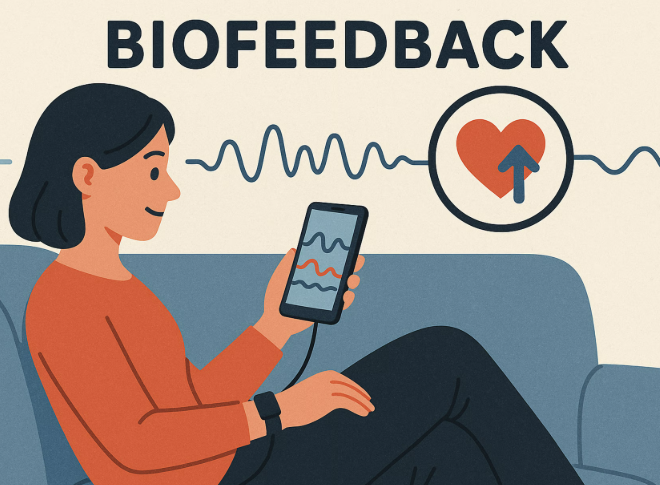
Discovering relaxed ways to encourage heart health can feel surprisingly simple when approached with balance, patience, and kindness toward yourself. Instead of focusing on strict rules or overwhelming routines, it helps to think of heart health as a natural outcome of small, enjoyable choices that fit easily into everyday life. By creating a calm and sustainable approach, anyone can begin to support their well-being without unnecessary pressure.
One of the most approachable ways to nurture heart health is by paying attention to daily movement. This does not require intense workouts or complicated fitness plans. Gentle activities such as walking through your neighborhood, stretching in the morning, or even dancing to your favorite music at home can help keep the body active. Movement becomes more effective when it feels enjoyable rather than forced. When people look forward to being active, they are more likely to stay consistent over time, which plays an important role in long-term heart support.
Equally important is the role of food in daily life. Choosing meals that are colorful, fresh, and balanced can gradually contribute to overall wellness. Adding fruits, vegetables, whole grains, and simple home-cooked dishes can be a relaxed way to nourish the body. There is no need for strict dieting or cutting out entire food groups unless guided by a professional. Instead, focusing on variety and moderation helps create a positive relationship with food. Drinking enough water throughout the day also supports the body in a gentle and effective way.
Rest is another essential element that is often overlooked. A calm and consistent sleep routine allows the body to recover and maintain its natural rhythms. Going to bed at a similar time each night, creating a quiet sleeping environment, and limiting distractions before sleep can all contribute to better rest. Quality sleep supports not only physical health but also emotional balance, which is closely connected to heart wellness.
Managing everyday stress in a relaxed manner is also key. Life naturally includes challenges, but finding simple ways to unwind can make a meaningful difference. Activities such as deep breathing, listening to calming music, spending time in nature, or enjoying a hobby can help create moments of peace. Even a few minutes of quiet reflection each day can support a calmer mindset. Over time, these small habits can contribute to a more balanced lifestyle.
Social connection plays a gentle yet powerful role in supporting heart health. Spending time with friends, family, or community members can bring joy and reduce feelings of isolation. Conversations, shared meals, or simple moments of laughter help create emotional comfort. Positive relationships encourage a sense of belonging, which can influence overall well-being in subtle but important ways.
Another relaxed approach involves becoming more aware of daily habits without being overly critical. For example, noticing how certain activities make you feel can guide better choices. If a particular routine brings energy and comfort, it may be worth continuing. If something feels draining or stressful, it can be adjusted gradually. This mindful awareness allows for steady improvement without pressure or guilt.
It is also helpful to approach heart health with patience. Lasting changes rarely happen overnight, and that is perfectly okay. Small, steady steps often lead to more sustainable results than drastic changes. Celebrating progress, no matter how minor it may seem, can help maintain motivation. Over time, these small steps build into meaningful improvements in overall well-being.
Limiting habits that may place unnecessary strain on the body can also be part of a relaxed approach. Rather than focusing on strict avoidance, it can be helpful to gently reduce behaviors that do not support wellness. Replacing them with more positive alternatives often feels easier than trying to eliminate them completely. This gradual shift helps maintain balance without creating stress.
Creating a comfortable daily routine can tie all of these elements together. A simple structure that includes time for movement, meals, rest, and relaxation can make healthy living feel natural. Flexibility is important, as routines should adapt to individual needs and lifestyles. The goal is not perfection but consistency and comfort.
Listening to your body is one of the most valuable habits you can develop. Each person’s needs are different, and paying attention to signals such as energy levels, hunger, and mood can guide healthier choices. When people learn to trust these signals, they often find it easier to maintain habits that support their well-being.
It is also beneficial to seek reliable information and guidance when needed. Consulting trusted sources or professionals can provide clarity and reassurance. This ensures that any changes made are safe and appropriate for individual circumstances. Having accurate information helps build confidence and reduces uncertainty.
Encouraging heart health does not need to feel complicated or restrictive. By focusing on simple, enjoyable habits and maintaining a balanced perspective, it becomes easier to create a lifestyle that supports long-term wellness. Small acts such as taking a walk, sharing a meal, or getting enough rest can have a meaningful impact over time.
Ultimately, a relaxed approach allows people to care for their hearts in a way that feels sustainable and positive. By embracing gentle changes, staying mindful, and allowing room for flexibility, heart health can become a natural part of everyday life.