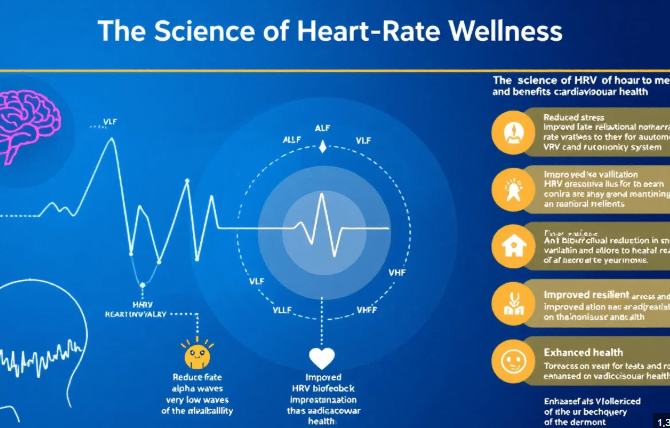
Caring for your heart does not have to involve extreme routines or overwhelming changes. In fact, some of the most effective ways to support cardiovascular balance come from simple, steady habits practiced each day. When approached with calmness and consistency, these small actions can contribute to a healthier lifestyle and a greater sense of well-being.
The heart works continuously to circulate blood, delivering oxygen and nutrients throughout the body. Because of this constant activity, it benefits from routines that reduce unnecessary strain and promote stability. One of the most approachable ways to begin is by creating a daily rhythm that encourages both movement and rest. A balanced routine helps regulate the body’s natural systems, including heart rate and blood pressure.
Gentle physical activity is one of the most accessible tools for supporting cardiovascular balance. Activities such as walking, stretching, or light cycling can help maintain healthy circulation without placing excessive stress on the body. These forms of movement are especially helpful when done regularly, even in short sessions. The goal is not intensity, but consistency. A calm walk in the morning or evening can offer both physical and mental benefits, allowing the body to stay active while also easing the mind.
Equally important is the role of relaxation. In a fast-paced world, stress can accumulate quickly, and prolonged tension may influence overall heart health. Taking time each day to pause, breathe deeply, and reset can help support a sense of calm. Simple breathing exercises, quiet moments of reflection, or even a few minutes spent in a peaceful environment can make a noticeable difference over time. These practices encourage the body to shift into a more relaxed state, which may support cardiovascular balance.
Nutrition also plays a key role, but it does not need to be complicated. Choosing a variety of fresh, whole foods can help provide the nutrients the body needs to function smoothly. Fruits, vegetables, whole grains, and balanced meals can be incorporated gradually into daily life. Rather than focusing on restriction, it is often more helpful to think in terms of nourishment and variety. Drinking enough water throughout the day is another simple yet important habit that supports overall circulation and bodily function.
Sleep is another essential component that is sometimes overlooked. A restful night allows the body to recover and maintain its natural balance. Establishing a consistent sleep schedule, where you go to bed and wake up at similar times each day, can help support the body’s internal clock. Creating a calm bedtime routine, such as dimming lights or avoiding stimulating activities before sleep, may also contribute to better rest. When the body is well-rested, it is better equipped to handle daily demands.
Emotional well-being is closely connected to physical health, including the cardiovascular system. Positive social interactions, supportive relationships, and moments of joy can all contribute to a sense of balance. Taking time to connect with others, whether through conversation, shared activities, or simple acts of kindness, can foster emotional resilience. These connections often bring a sense of comfort and stability that supports overall wellness.
Mindful habits can also help bring awareness to daily choices. Paying attention to how the body feels during different activities, meals, or moments of rest can guide more balanced decisions. This awareness does not require perfection; instead, it encourages a gentle understanding of what works best for you. Over time, these insights can help shape a routine that feels both sustainable and supportive.
Limiting exposure to unnecessary stressors is another practical step. While it may not be possible to avoid all sources of stress, small adjustments can reduce their impact. Organizing your environment, setting realistic expectations, and allowing yourself time to rest when needed can all contribute to a calmer daily experience. Even brief breaks throughout the day can help prevent feelings of overwhelm.
It is also helpful to approach cardiovascular support with patience. Changes in lifestyle often take time to show their effects, and progress may be gradual. Focusing on steady, manageable actions rather than quick results can create a more positive and lasting experience. Each small step contributes to a larger pattern of care that benefits the body over time.
Technology can also be used in a balanced way to support heart-friendly habits. Simple reminders to move, drink water, or take breaks can help maintain consistency. However, it is equally important to disconnect when needed and allow space for quiet, uninterrupted moments. Finding a balance between staying informed and maintaining calm can enhance overall well-being.
Another supportive approach is spending time in natural environments. Whether it is a park, garden, or quiet outdoor space, nature often provides a calming effect that can help reduce tension. Fresh air and gentle surroundings can encourage relaxation while also promoting light physical activity. These experiences do not need to be lengthy to be beneficial; even short periods outdoors can contribute to a sense of balance.
Hydration, movement, rest, and emotional connection all work together as part of a broader picture. Rather than focusing on any single factor, it is the combination of these calm daily actions that supports cardiovascular balance. When these habits are integrated into everyday life, they become easier to maintain and more effective over time.
It is important to remember that everyone’s needs are different. What feels calming and supportive for one person may differ for another. Taking time to explore what works best for your own routine can lead to a more personalized and sustainable approach. Listening to your body and adjusting as needed helps create a sense of trust and awareness.
In the end, supporting cardiovascular balance is not about perfection or rigid rules. It is about creating a lifestyle that encourages calm, consistency, and care. Through gentle movement, mindful choices, restful sleep, and moments of relaxation, it is possible to build a daily routine that supports both heart health and overall well-being. Over time, these small, steady actions can make a meaningful difference, helping you feel more balanced, energized, and at ease in your everyday life.