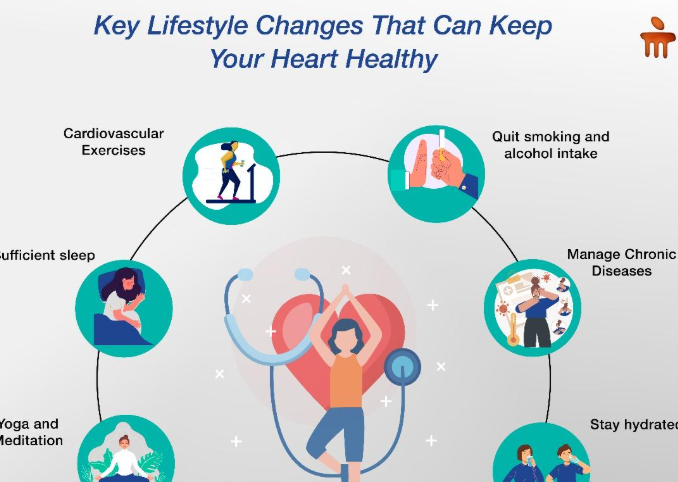
Good circulation plays an essential role in overall well-being, helping deliver oxygen and nutrients throughout the body while supporting energy, comfort, and daily performance. While circulation is often associated with the heart and blood vessels, it is also influenced by everyday habits that shape how the body functions over time. The encouraging news is that small, consistent lifestyle choices can support healthy circulation in a gentle and sustainable way.
One of the simplest ways to encourage circulation is through regular movement. The human body is designed to move, and even light physical activity can help maintain steady blood flow. Walking, stretching, or engaging in low-impact activities like yoga can help keep muscles active and promote natural circulation. You do not need intense workouts to see benefits. Even short movement breaks throughout the day can make a difference, especially for those who spend long periods sitting.
Posture also plays a subtle but important role. Sitting or standing in one position for extended periods may create unnecessary pressure on certain areas of the body. Maintaining a relaxed but upright posture can support more balanced circulation. If your daily routine involves desk work, taking a few moments to stand, stretch, and reset your posture can help keep your body feeling more comfortable and refreshed.
Hydration is another key factor that is often overlooked. Drinking enough water supports many natural processes in the body, including the smooth flow of blood. Staying hydrated can contribute to a sense of energy and balance throughout the day. A simple habit like keeping a water bottle nearby can serve as a helpful reminder to drink regularly.
Nutrition also contributes to circulation-friendly habits. A balanced diet that includes a variety of fruits, vegetables, whole grains, and lean proteins can support overall wellness. Foods rich in natural nutrients may help maintain the body’s normal functions, including those related to circulation. Rather than focusing on strict dietary rules, it can be more helpful to think in terms of adding colorful and wholesome options to your meals.
Another supportive habit is mindful relaxation. Stress is a natural part of life, but ongoing tension may affect how the body feels and functions. Taking time to unwind, whether through deep breathing, meditation, or quiet moments of reflection, can support a sense of calm and balance. When the body is relaxed, it may function more efficiently, including processes related to circulation.
Sleep is equally important. During rest, the body works to restore and maintain many of its systems. A consistent sleep routine can support overall wellness and leave you feeling refreshed. Creating a comfortable sleep environment and allowing enough time for rest each night are simple ways to support your body’s natural rhythms.
Temperature awareness can also make a difference. Keeping the body comfortably warm in cooler environments may help maintain a pleasant sense of circulation, especially in the hands and feet. Wearing appropriate clothing and staying mindful of your surroundings can contribute to overall comfort.
Foot care and leg comfort are worth noting as well, particularly for individuals who spend long hours standing or sitting. Gentle leg stretches, elevating the feet when resting, or wearing comfortable footwear can help support daily comfort. These small practices can easily be incorporated into a routine without requiring significant effort.
Consistency is one of the most important elements of any healthy habit. Rather than seeking quick changes, focusing on small, repeatable actions can lead to more lasting results. Building a routine that includes movement, hydration, balanced nutrition, and rest can gradually support overall well-being, including circulation.
It is also helpful to listen to your body. Everyone’s needs and experiences are slightly different, and paying attention to how you feel can guide your daily choices. If something feels uncomfortable or out of the ordinary, adjusting your habits or seeking general wellness advice can be a practical step.
Creating a supportive environment can make these habits easier to maintain. For example, arranging your workspace to encourage movement, preparing healthy meals in advance, or setting reminders to stretch and hydrate can all contribute to a more balanced routine. When healthy choices are convenient, they are more likely to become part of everyday life.
Social support can also play a positive role. Engaging in activities with friends or family, such as walking together or sharing meals, can make healthy habits more enjoyable and sustainable. A sense of connection often encourages consistency and adds an element of motivation.
It is important to approach circulation health with a balanced perspective. Rather than focusing on limitations, consider the opportunities to make small improvements over time. Positive habits do not need to be complicated or time-consuming. In many cases, simple actions repeated consistently can have a meaningful impact.
Incorporating gentle stretching into your daily routine can also support flexibility and comfort. Stretching helps keep muscles relaxed and may contribute to ease of movement. This can be especially helpful in the morning or after long periods of inactivity.
Breathing patterns are another subtle yet influential factor. Slow, steady breathing can support relaxation and help the body maintain a sense of balance. Taking a few moments each day to focus on breathing can be a calming and supportive practice.
Outdoor time can also contribute to overall well-being. Fresh air, natural light, and a change of scenery can support both physical and mental wellness. Even a short walk outside can help you feel more energized and refreshed.
Ultimately, supporting circulation health is about creating a lifestyle that encourages balance, movement, and mindful care. By focusing on practical and positive habits, you can build a routine that supports your body in a natural and sustainable way. Each small step contributes to a larger picture of well-being, helping you feel more comfortable and energized in your daily life.
Through consistent attention to these simple practices, it becomes easier to support circulation in a way that fits seamlessly into everyday routines. Over time, these habits can become second nature, helping you maintain a sense of balance and overall wellness without added complexity.