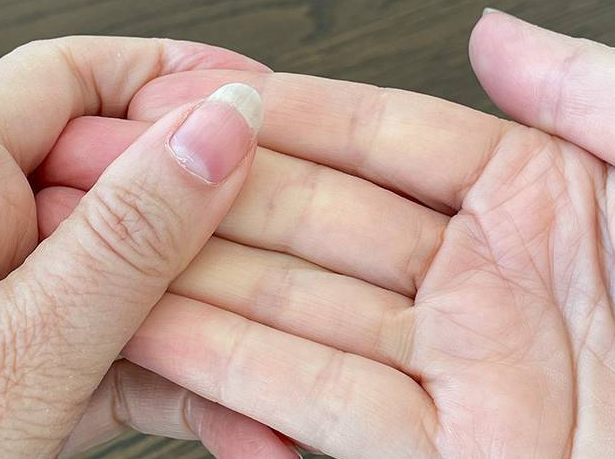
Maintaining healthy circulation is one of the most important yet often overlooked aspects of overall wellness. Good circulation ensures that oxygen, nutrients, and hormones are efficiently delivered throughout the body, while waste products are removed effectively. When circulation functions well, the body feels more energized, the mind stays sharper, and everyday activities become easier. The good news is that supporting circulation does not require complicated routines or extreme lifestyle changes. With a few practical and consistent habits, anyone can take meaningful steps toward improving circulation wellness.
One of the simplest and most effective ways to support circulation is through regular movement. The human body is designed to move, and physical activity plays a key role in keeping blood flowing smoothly. Even light activities such as walking, stretching, or gentle yoga can stimulate blood flow and help prevent stiffness. Long periods of sitting can slow circulation, especially in the legs, so it is helpful to stand up, stretch, or take short walks throughout the day. Over time, these small actions can make a noticeable difference in how the body feels.
Hydration is another essential factor in maintaining good circulation. Blood is made up largely of water, and staying properly hydrated helps it flow more easily through the vessels. When the body is dehydrated, blood can become thicker, making it harder for the heart to pump efficiently. Drinking water regularly throughout the day supports not only circulation but also overall bodily function. Choosing water over sugary drinks can further enhance these benefits and contribute to long-term wellness.
Nutrition also plays a central role in circulation health. A balanced diet that includes fruits, vegetables, whole grains, and healthy fats can support the cardiovascular system. Foods rich in natural antioxidants, such as berries and leafy greens, may help protect blood vessels from everyday stress. Healthy fats found in foods like nuts, seeds, and fish can contribute to maintaining flexible blood vessels. At the same time, being mindful of excessive intake of highly processed foods and added sugars can help support a balanced internal environment.
Another practical step toward better circulation is paying attention to posture. The way we sit, stand, and move can influence how well blood travels through the body. Slouching or sitting in one position for too long can restrict blood flow, especially in the lower body. Sitting with feet flat on the floor, keeping the back supported, and avoiding crossing the legs for extended periods can encourage smoother circulation. Similarly, maintaining good posture while standing or walking helps the body function more efficiently overall.
Managing stress is equally important when it comes to circulation wellness. Everyday stress can affect the body in many ways, including how blood flows. When stress levels rise, the body may respond by tightening blood vessels, which can temporarily affect circulation. Finding ways to relax and unwind can support a healthier balance. Activities such as deep breathing, spending time outdoors, or engaging in hobbies can provide a calming effect and help maintain a steady rhythm within the body.
Sleep is often underestimated, yet it plays a vital role in maintaining circulation. During sleep, the body carries out essential repair and restoration processes, including those related to the cardiovascular system. Consistently getting enough rest allows the body to recharge and function optimally. Creating a comfortable sleep environment, maintaining a regular sleep schedule, and limiting distractions before bedtime can all contribute to better rest and, in turn, better circulation.
Clothing choices can also influence circulation more than many people realize. Wearing overly tight clothing, especially around the waist or legs, can restrict blood flow. Opting for comfortable, well-fitting garments allows the body to move freely and supports natural circulation. Footwear is equally important, as supportive shoes can help maintain proper alignment and encourage healthy blood flow during daily activities.
Temperature awareness is another simple yet helpful consideration. Exposure to cold temperatures can cause blood vessels to constrict, which may temporarily reduce circulation in certain areas of the body. Dressing appropriately for the weather and keeping extremities warm can help maintain steady blood flow. On the other hand, moderate warmth, such as a warm shower or bath, may encourage relaxation and support circulation.
Incorporating gentle stretching into daily routines can also make a positive difference. Stretching helps keep muscles flexible and supports blood flow throughout the body. It does not require a significant time commitment, and even a few minutes of stretching in the morning or evening can contribute to overall comfort and mobility. Over time, this practice can help reduce stiffness and promote a greater sense of physical ease.
It is also helpful to listen to the body and recognize its signals. Feelings of fatigue, heaviness, or discomfort in certain areas can sometimes be linked to circulation patterns. Taking note of these signals and responding with simple actions such as movement, hydration, or rest can support overall wellness. Developing this awareness encourages a more proactive approach to health.
Building healthy habits gradually is often the most sustainable approach. Rather than trying to change everything at once, focusing on one or two small improvements can lead to lasting results. For example, starting with a short daily walk or increasing water intake can serve as a foundation for broader lifestyle changes. Over time, these habits can become a natural part of everyday life.
Consistency is key when it comes to maintaining circulation wellness. Small actions practiced regularly can have a meaningful impact. The goal is not perfection but steady progress. By incorporating movement, hydration, balanced nutrition, and mindful habits into daily routines, individuals can support their circulation in a gentle and sustainable way.
Ultimately, maintaining circulation wellness is about supporting the body’s natural processes. With thoughtful choices and a balanced approach, it is possible to feel more energized, comfortable, and connected to overall well-being. These practical steps serve as a reminder that caring for circulation does not have to be complicated. It can be simple, approachable, and woven seamlessly into everyday life.