Modern life often feels like a race against time. Between work responsibilities, family obligations, and personal goals, wellness can easily slip to the bottom of the priority list. Many people assume that staying healthy requires hours at the gym, strict routines, or expensive programs, but that is not necessarily true. Wellness can be simple, flexible, and tailored to even the busiest schedules. By making small, intentional choices each day, it is possible to build a lifestyle that supports both physical and mental well-being.
One of the most effective ways to maintain wellness while staying busy is to focus on consistency rather than perfection. Instead of aiming for long workouts that are hard to sustain, short and regular movement throughout the day can make a meaningful difference. Even ten minutes of stretching in the morning, a quick walk during lunch, or light exercise in the evening can support circulation, reduce stress, and boost energy. The key is to make movement a natural part of daily life rather than a separate task that feels overwhelming.
Nutrition also plays a central role in maintaining wellness. Busy schedules often lead to skipped meals or reliance on convenient but less nutritious options. Planning ahead can help avoid this pattern. Preparing simple meals in advance, keeping healthy snacks on hand, and staying hydrated throughout the day are small habits that support long-term health. It is not about strict dieting but about making balanced choices that fuel the body and sustain energy levels. Eating regularly and mindfully can also improve focus and reduce fatigue, making it easier to handle daily responsibilities.
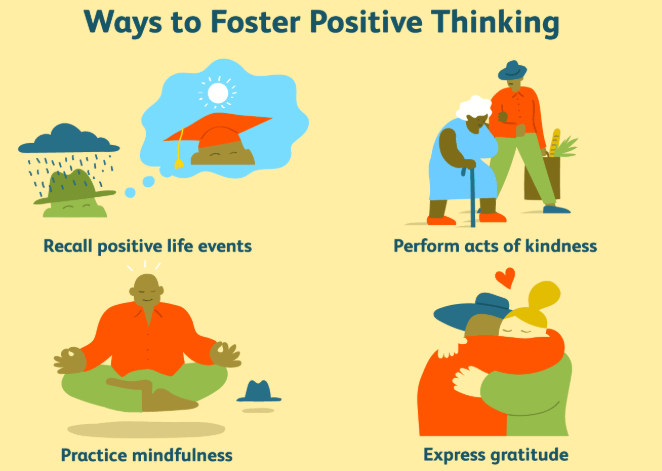
Mental well-being is just as important as physical health, especially for people with demanding schedules. Stress can build up quickly when there is little time to pause and reflect. Taking short breaks during the day, even for a few minutes, can help reset the mind. Deep breathing, stepping outside for fresh air, or simply closing the eyes and relaxing can reduce tension and improve clarity. These small moments of rest are not wasted time but essential investments in productivity and emotional balance.
Sleep is another critical factor that is often overlooked. Many busy individuals sacrifice sleep to get more done, but this can have the opposite effect. Lack of rest can reduce concentration, weaken the immune system, and increase stress levels. Establishing a consistent sleep routine, even if it means going to bed slightly earlier or limiting screen time before sleep, can improve both mood and performance. Quality sleep supports every aspect of wellness and helps the body recover from daily demands.
Time management can also support a healthier lifestyle. When schedules are packed, it is important to prioritize what truly matters. Setting realistic goals, organizing tasks, and learning to say no when necessary can create space for self-care. Wellness does not require large blocks of time; it requires intentional choices. Even small adjustments, such as scheduling a short walk or setting reminders to drink water, can build habits that last.
Another helpful approach is to combine activities whenever possible. For example, listening to an audiobook or podcast while walking, stretching during short breaks, or preparing meals while spending time with family can make wellness feel more integrated into daily life. This approach reduces the feeling of adding extra tasks and instead turns healthy habits into natural parts of existing routines.
Social connection is also an important aspect of wellness. Busy schedules can sometimes lead to isolation, but maintaining relationships can provide emotional support and reduce stress. A quick phone call, a shared meal, or a short message can strengthen connections and improve overall well-being. Human interaction plays a powerful role in mental health and should not be overlooked.
It is also important to be kind to oneself. Not every day will go as planned, and that is completely normal. Missing a workout or choosing a less healthy meal does not mean failure. Wellness is a long-term journey, not a series of perfect choices. Being flexible and forgiving allows for sustainable progress and reduces unnecessary pressure.
Technology can be both a challenge and a helpful tool. While excessive screen time can contribute to stress and fatigue, using technology wisely can support wellness goals. Setting reminders, using simple tracking apps, or following guided relaxation sessions can make it easier to stay on track. The key is to use these tools intentionally rather than letting them become distractions.
Creating a supportive environment can also make a difference. Keeping a water bottle nearby, placing healthy foods within reach, or setting up a small space for relaxation can encourage positive habits. When the environment supports wellness, it becomes easier to make healthy choices without extra effort.
Finally, it is important to remember that wellness looks different for everyone. What works for one person may not work for another, and that is perfectly fine. The goal is to find a rhythm that fits individual needs and lifestyles. By focusing on small, consistent actions, busy people can create a balanced approach to health that feels both achievable and rewarding.
In the end, wellness is not about having more time but about using time wisely. Even the busiest individuals can take steps toward better health by making thoughtful choices each day. With patience and consistency, these small changes can lead to lasting improvements in both physical and mental well-being.