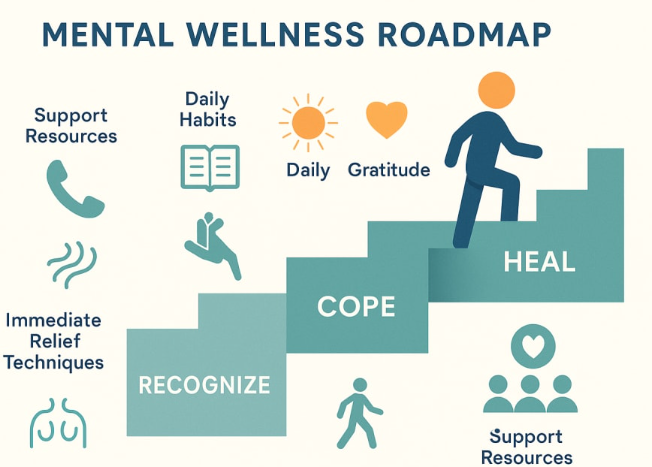
Taking care of your well-being does not require drastic changes or complicated routines. In fact, the most effective improvements often come from small, consistent actions that fit naturally into your daily life. By building a few simple habits and maintaining them over time, you can support both your physical and mental health in a sustainable and enjoyable way.
One of the most powerful habits is starting your day with intention. Instead of immediately reaching for your phone or rushing into tasks, take a few quiet moments for yourself. This can be as simple as stretching, taking deep breaths, or thinking about what you want to accomplish during the day. This gentle start helps reduce stress and sets a positive tone, allowing you to feel more in control and focused.
Hydration is another essential yet often overlooked factor in maintaining wellness. Drinking enough water throughout the day supports digestion, energy levels, and overall bodily functions. Keeping a glass or bottle of water nearby can serve as a reminder to drink regularly. Even mild dehydration can affect mood and concentration, so making hydration a priority can have noticeable benefits.
Moving your body daily does not have to mean intense exercise sessions. Simple activities such as walking, light stretching, or even dancing to your favorite music can make a meaningful difference. The goal is consistency rather than intensity. Regular movement helps improve circulation, boosts mood, and supports long-term health without adding pressure or stress to your routine.
Mindful eating is another habit that can greatly enhance your well-being. This involves paying attention to what and how you eat, rather than rushing through meals. Taking time to enjoy your food, noticing flavors and textures, and listening to your body’s hunger and fullness cues can lead to better digestion and a more satisfying relationship with food. Choosing balanced meals with a variety of nutrients also supports sustained energy throughout the day.
Sleep plays a vital role in overall wellness, yet it is often sacrificed in busy lifestyles. Creating a calming bedtime routine can improve sleep quality and help your body wind down naturally. This might include dimming lights, avoiding screens before bed, or reading something relaxing. Going to bed and waking up at consistent times each day helps regulate your internal clock, making it easier to feel rested and refreshed.
Managing stress is equally important for maintaining balance in your life. While it is impossible to eliminate stress entirely, developing simple coping strategies can make it more manageable. Practices such as deep breathing, journaling, or spending time in nature can provide relief and clarity. Even a few minutes of quiet reflection during a busy day can help you reset and regain focus.
Another valuable habit is staying connected with others. Human connection plays a significant role in emotional well-being. Taking time to check in with friends, family, or colleagues can strengthen relationships and provide a sense of support. These interactions do not have to be lengthy or formal; even a brief conversation or message can make a positive impact.
Limiting exposure to negative influences, especially in digital spaces, can also support mental wellness. Being mindful of the content you consume and setting boundaries around screen time can help reduce unnecessary stress and comparison. Instead, consider engaging with content that inspires, educates, or uplifts you.
Creating moments of gratitude in your daily routine can shift your perspective and enhance your overall outlook on life. Taking a moment to reflect on things you appreciate, no matter how small, can foster a sense of contentment and positivity. This habit encourages you to focus on what is going well, rather than what is lacking.
Consistency is the key to making these habits effective. It is better to start small and build gradually than to attempt too many changes at once. Choose one or two habits to focus on and integrate them into your routine until they feel natural. Over time, these small steps can lead to meaningful and lasting improvements in your well-being.
It is also important to be flexible and kind to yourself throughout this process. Life can be unpredictable, and it is normal to have days when routines are disrupted. Instead of feeling discouraged, view these moments as opportunities to reset and continue. Progress is not about perfection, but about maintaining a steady and compassionate approach to your health.
Spending time outdoors, even briefly, can also contribute to a sense of well-being. Fresh air and natural light can boost mood and provide a refreshing break from indoor environments. Whether it is a short walk, sitting in a park, or simply opening a window, these small interactions with nature can have a calming effect.
Organizing your environment can further support your daily habits. A tidy and comfortable space can reduce distractions and create a sense of order. This does not require extensive effort; even small actions like clearing a desk or arranging your surroundings can make a difference in how you feel and function throughout the day.
Incorporating moments of learning or creativity can also enrich your daily experience. Engaging your mind through reading, writing, or exploring new ideas helps maintain mental sharpness and adds variety to your routine. These activities can be both enjoyable and beneficial, offering a sense of growth and accomplishment.
Ultimately, improving your wellness is about creating a lifestyle that supports your needs and values. By focusing on simple, manageable habits and practicing them consistently, you can build a strong foundation for long-term health and happiness. Each small step you take contributes to a greater sense of balance, making it easier to navigate daily challenges and enjoy the moments that matter most.
By embracing these easy daily habits, you can move toward a more balanced and fulfilling life. The journey to better wellness does not require perfection or drastic change, but rather a commitment to small, positive actions that support your overall well-being.