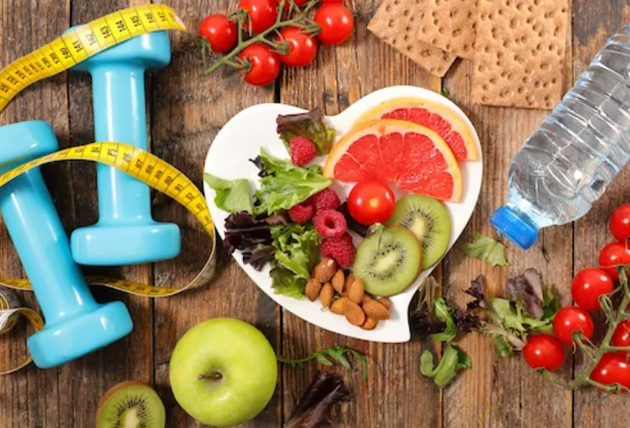
In a world filled with constant advice about diets, workouts, and wellness routines, the idea of “healthy living” can sometimes feel overwhelming. Social media feeds are packed with transformation stories, strict meal plans, and intense exercise challenges that suggest there is only one way to be healthy. For many people, this creates pressure rather than motivation. The truth is that healthy living does not have to be complicated, extreme, or stressful. It can be simple, flexible, and tailored to fit your everyday life.
Healthy living begins with understanding that small, consistent choices matter more than perfection. You do not need to follow a strict diet or spend hours at the gym to improve your well-being. Instead, it is about building habits that feel realistic and sustainable. Choosing to drink more water, getting enough sleep, and adding a few more vegetables to your meals are all meaningful steps. These actions may seem small, but over time, they can lead to significant improvements in how you feel both physically and mentally.
One of the most important aspects of a balanced lifestyle is letting go of the idea that you must do everything perfectly. Perfection can create unnecessary stress, which often leads to burnout or giving up entirely. It is okay to enjoy your favorite foods, skip a workout occasionally, or have days when you feel less motivated. What matters is returning to your habits without guilt. Healthy living is not about strict rules; it is about creating a positive relationship with your body and your choices.
Food plays a central role in overall health, but it should not become a source of anxiety. Instead of labeling foods as “good” or “bad,” it can be helpful to think in terms of balance. Nourishing your body with a variety of foods, including fruits, vegetables, proteins, and whole grains, supports your energy and well-being. At the same time, enjoying treats in moderation is part of a healthy lifestyle. Food is not only fuel but also a source of enjoyment and connection, and it is important to honor both aspects.
Movement is another key part of staying healthy, but it does not have to mean intense workouts or rigid schedules. Physical activity can be as simple as taking a walk, stretching in the morning, or dancing to your favorite music. The goal is to find activities that you genuinely enjoy. When movement feels like a choice rather than an obligation, it becomes easier to stay consistent. Even short periods of activity throughout the day can make a difference, especially when they are done regularly.
Mental well-being is just as important as physical health, yet it is often overlooked. Taking time to rest, relax, and recharge is essential. This might include spending time with loved ones, practicing mindfulness, or simply allowing yourself to pause during a busy day. Stress is a natural part of life, but learning how to manage it can improve your overall health. Simple practices like deep breathing, journaling, or spending time outdoors can help create a sense of calm and balance.
Another helpful approach to healthy living is focusing on progress rather than comparison. Everyone’s journey is different, and what works for one person may not work for another. Comparing yourself to others can create unnecessary pressure and distract you from your own goals. Instead, it is more beneficial to pay attention to how your body feels and what supports your well-being. Celebrating small improvements, such as having more energy or sleeping better, can help build confidence and motivation.
Creating a supportive environment can also make a big difference. Surrounding yourself with people who encourage your well-being and respecting your own boundaries are important steps. This might mean choosing activities that align with your values or setting limits on things that drain your energy. A healthy lifestyle is not only about what you do but also about how you feel in your surroundings.
It is also important to recognize that healthy living looks different at various stages of life. Your needs and priorities may change over time, and that is completely normal. Being flexible and open to adjusting your habits allows you to maintain a balanced approach. Instead of striving for a fixed routine, it can be more helpful to adapt based on your current situation and needs.
Rest and sleep are often underestimated but play a crucial role in overall health. Getting enough sleep helps your body recover, supports your mood, and improves focus. Establishing a simple bedtime routine, such as reducing screen time before bed or creating a calm environment, can make it easier to get quality rest. Listening to your body’s need for rest is an important part of maintaining balance.
Healthy living without pressure is about kindness toward yourself. It involves making choices that support your well-being while allowing room for flexibility and enjoyment. When you approach your health with patience and understanding, it becomes easier to build habits that last. Instead of chasing quick results, focusing on long-term well-being creates a more positive and sustainable experience.
Ultimately, a healthy lifestyle is not defined by strict rules or external expectations. It is shaped by your individual preferences, needs, and values. By taking small steps, staying consistent, and letting go of unnecessary pressure, you can create a way of living that feels both healthy and enjoyable. The goal is not to be perfect but to feel good in your own body and to support your overall well-being in a way that fits your life.