Healthy living often gets framed as a complete life overhaul, something that requires intense discipline, expensive products, or a perfectly structured routine. That idea can make it feel out of reach, especially when everyday life is already busy and demanding. The truth is, healthy living does not need to be extreme to be effective. Small, consistent choices can lead to meaningful improvements over time, and those choices can fit naturally into your existing lifestyle.
One of the easiest ways to begin is by shifting how you think about health. Instead of focusing on perfection, aim for progress. A healthy lifestyle is not about doing everything right every day. It is about making better choices more often than not. This mindset removes pressure and creates space for gradual change, which is far more sustainable in the long run.
Food is often the first thing people think about when it comes to health, but it does not have to be complicated. Rather than following strict diets or eliminating entire food groups, start by adding more nourishing options to your meals. Including fruits, vegetables, whole grains, and protein sources can naturally improve your diet without making you feel restricted. For example, adding a piece of fruit to your breakfast or including vegetables with dinner can be simple yet impactful steps.
It is also helpful to pay attention to how food makes you feel. When you notice that certain meals leave you energized while others make you feel sluggish, you can begin to make choices based on your own experience rather than external rules. This approach builds a more positive relationship with food and encourages mindful eating instead of rigid control.
Movement is another key part of healthy living, but it does not have to mean intense workouts or long hours at the gym. The goal is to find ways to move your body that you actually enjoy. This could be walking, dancing, stretching, or even doing household tasks that keep you active. When movement feels enjoyable rather than like a chore, you are more likely to stick with it.
Short bursts of activity can be just as valuable as longer sessions. Taking a ten-minute walk, doing a quick stretch in the morning, or choosing to stand instead of sit when possible can all contribute to your overall well-being. These small moments add up and can make a noticeable difference over time.
Sleep is often overlooked, yet it plays a crucial role in how you feel both physically and mentally. Creating a simple nighttime routine can help signal to your body that it is time to rest. This might include dimming the lights, putting away screens, or engaging in a calming activity like reading. Even small adjustments, such as going to bed at the same time each night, can improve sleep quality.
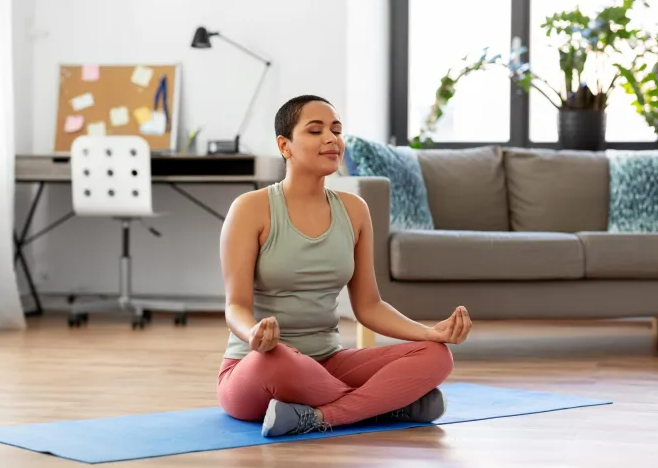
Managing stress is another important aspect of a balanced lifestyle. Stress is a natural part of life, but finding ways to cope with it can make a big difference. Techniques such as deep breathing, spending time outdoors, or talking with someone you trust can help reduce tension. It is not about eliminating stress entirely, but about responding to it in a way that supports your well-being.
Hydration is a simple habit that often gets underestimated. Drinking enough water throughout the day supports many bodily functions and can help maintain energy levels. Keeping a water bottle nearby or pairing water intake with daily routines, such as meals, can make this habit easier to maintain without much effort.
Another manageable approach to healthy living is focusing on consistency rather than intensity. Doing something small every day is often more effective than doing something extreme once in a while. For example, choosing to take the stairs regularly or preparing a home-cooked meal a few times a week can create lasting habits that support your health.
It is also important to give yourself flexibility. Life is unpredictable, and there will be days when your routine does not go as planned. Instead of viewing these moments as failures, see them as part of the process. Being kind to yourself during these times helps maintain motivation and prevents the all-or-nothing thinking that can derail progress.
Your environment can play a significant role in shaping your habits. Making small changes to your surroundings can make healthy choices feel more natural. This might include keeping nutritious snacks within reach, setting out comfortable clothes for movement, or creating a calm space for relaxation. When your environment supports your goals, it becomes easier to follow through.
Social connections also contribute to a healthy lifestyle. Spending time with people who encourage and support you can positively impact your well-being. Whether it is sharing a meal, going for a walk together, or simply having a conversation, these interactions can provide both emotional and mental benefits.
Technology can be used in a balanced way to support your goals. Simple tools such as reminders, step counters, or guided relaxation apps can help you stay on track without becoming overwhelming. The key is to use these tools as support rather than pressure.
It is worth remembering that healthy living looks different for everyone. What works for one person may not work for another, and that is perfectly okay. Paying attention to your own needs, preferences, and lifestyle will help you create a routine that feels both realistic and enjoyable.
Small habits, when practiced consistently, have a powerful cumulative effect. Drinking an extra glass of water, taking a short walk, or choosing a balanced meal may seem minor on their own, but over time, they can lead to noticeable improvements in energy, mood, and overall health.
Ultimately, healthy living is not about strict rules or dramatic changes. It is about creating a lifestyle that supports you in a way that feels manageable and sustainable. By focusing on simple, positive actions and allowing yourself room to grow, you can build habits that last without feeling overwhelmed.
When you approach health with patience and flexibility, it becomes less of a task and more of a natural part of your daily life. Each small step you take contributes to a bigger picture, and over time, those steps can lead to a healthier, more balanced way of living that truly feels achievable.