Creating a healthier lifestyle does not have to mean making drastic changes or following strict routines that are difficult to maintain. In fact, the most effective improvements often come from small, consistent habits that fit naturally into everyday life. By focusing on simple and sustainable choices, anyone can move toward better health while still enjoying their daily routine.
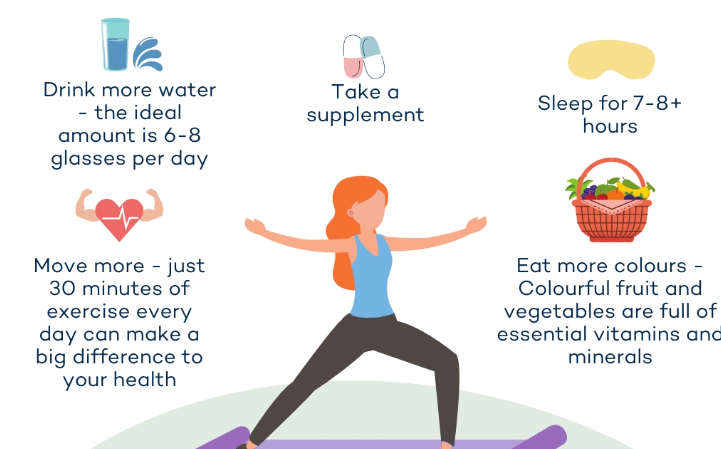
One of the easiest ways to support overall well-being is by paying attention to hydration. Drinking enough water throughout the day helps the body function properly, supports digestion, and can even improve concentration. Many people overlook this basic habit, yet it plays a key role in maintaining energy levels. Keeping a reusable water bottle nearby can serve as a helpful reminder to drink regularly without needing to think about it too much.
Another important habit is incorporating movement into your day. This does not require intense workouts or long hours at the gym. Simple actions like walking, stretching, or taking the stairs can make a meaningful difference over time. Regular movement helps improve circulation, supports joint health, and contributes to a more positive mood. Even short bursts of activity spread throughout the day can add up and create lasting benefits.
Sleep is another foundational aspect of a healthy lifestyle that is often underestimated. Getting enough quality rest allows the body and mind to recover, improves focus, and supports emotional balance. Establishing a consistent sleep routine, such as going to bed at the same time each night, can help regulate the body’s internal clock. Creating a calm environment before bedtime, like reducing screen time or dimming the lights, can also make it easier to fall asleep naturally.
Nutrition plays a major role in overall health, but it does not need to be complicated. Instead of focusing on strict diets, it can be more helpful to aim for balance and variety. Including a mix of fruits, vegetables, whole grains, and protein sources in meals can provide essential nutrients without feeling restrictive. Preparing meals at home more often can also encourage mindful eating and help build a stronger connection with food choices.
Mindful eating itself is a valuable habit worth developing. This means paying attention to hunger cues, eating slowly, and enjoying each bite without distractions. It can help prevent overeating and improve digestion while making meals more satisfying. Simply taking a few moments to focus on the experience of eating can transform a routine activity into a more enjoyable and beneficial one.
Managing stress is equally important when it comes to maintaining good health. Everyday life can be busy and demanding, but small practices can help create moments of calm. Taking a few minutes to breathe deeply, step outside for fresh air, or pause between tasks can make a noticeable difference. Over time, these brief breaks can help reduce tension and improve overall well-being.
Social connection is another often overlooked aspect of a healthy lifestyle. Spending time with friends, family, or even engaging in community activities can provide emotional support and a sense of belonging. Meaningful interactions can boost mood and help people feel more grounded. Even simple gestures like a phone call or a shared meal can strengthen relationships and contribute to a healthier mindset.
Limiting excessive screen time is another simple yet effective habit. While technology is an important part of modern life, taking regular breaks from screens can help reduce eye strain and improve focus. Setting boundaries, such as unplugging during meals or before bedtime, can create space for more restorative activities like reading, relaxing, or connecting with others in person.
Another easy habit to adopt is spending more time outdoors. Fresh air and natural light can have a positive impact on both physical and mental health. Whether it is a short walk in a park or simply sitting outside for a few minutes, being in nature can help reduce stress and improve mood. It also provides an opportunity to disconnect from daily pressures and recharge.
Consistency is the key to making any lifestyle habit effective. Rather than trying to change everything at once, it is often better to focus on one or two habits at a time. Gradual progress is more sustainable and less overwhelming. Over time, these small changes can build on each other and lead to significant improvements in overall health.
It is also important to approach lifestyle changes with a positive mindset. Being patient and flexible can make the process more enjoyable and less stressful. Not every day will be perfect, and that is completely normal. What matters most is maintaining a general sense of balance and continuing to make choices that support well-being.
Listening to your body is another essential part of a healthy lifestyle. Everyone’s needs are different, so it is important to pay attention to how certain habits make you feel. Adjusting routines based on personal comfort and energy levels can help create a more personalized and effective approach to health.
In addition, setting realistic goals can make it easier to stay motivated. Small, achievable steps can build confidence and encourage consistency. Celebrating progress, no matter how minor it may seem, can reinforce positive habits and make the journey more rewarding.
Finally, creating a supportive environment can make healthy habits easier to maintain. This might include organizing your space, planning meals ahead of time, or surrounding yourself with people who encourage positive choices. When your environment aligns with your goals, it reduces the effort required to stay on track.
In the end, improving health does not require perfection or extreme measures. By focusing on simple, everyday habits and maintaining a balanced approach, it is possible to create a lifestyle that supports both physical and mental well-being. These small steps, when practiced consistently, can lead to meaningful and lasting changes that enhance overall quality of life.