A practical diet plan for long-term health is not about strict rules, extreme restrictions, or chasing quick results. It is about building a sustainable way of eating that supports your body, fits your lifestyle, and can be maintained over years rather than weeks. Many people fall into the trap of following short-term diets that promise rapid weight loss, only to regain the weight once the plan becomes too difficult to continue. A healthier approach focuses on balance, consistency, and enjoyment of food.
At the core of a long-term diet plan is the idea of nourishment rather than deprivation. Food should provide the body with essential nutrients such as vitamins, minerals, protein, healthy fats, and carbohydrates. A well-rounded plate typically includes a mix of vegetables, fruits, whole grains, lean protein, and healthy fats. Instead of labeling foods as strictly good or bad, it is more helpful to think about frequency and portion. Nutritious foods should make up most of your meals, while less nutritious options can still be enjoyed occasionally without guilt.
Consistency plays a major role in maintaining long-term health. Rather than making drastic changes overnight, it is often more effective to introduce small, manageable adjustments. For example, adding one extra serving of vegetables per day or replacing sugary drinks with water can lead to meaningful improvements over time. These small changes are easier to maintain and gradually become habits that feel natural rather than forced.
Another important aspect is listening to your body. Hunger and fullness cues are valuable signals that guide how much and when to eat. Eating slowly and paying attention during meals can help you recognize when you are satisfied, reducing the likelihood of overeating. This mindful approach also enhances the enjoyment of food, making meals more fulfilling both physically and emotionally.
Hydration is often overlooked but is essential for overall health. Drinking enough water supports digestion, energy levels, and even appetite control. Sometimes thirst can be mistaken for hunger, leading to unnecessary snacking. Keeping a regular habit of drinking water throughout the day can help maintain balance and improve how the body functions.
Protein is a key component of a practical diet plan because it supports muscle maintenance, repair, and satiety. Including a source of protein in each meal, such as eggs, fish, poultry, legumes, or dairy, can help stabilize blood sugar levels and keep you feeling full longer. This can reduce the temptation to snack excessively on less nutritious foods.
Carbohydrates are often misunderstood, but they are an important source of energy. Choosing whole grains like brown rice, oats, and whole wheat products provides fiber and nutrients that support digestion and sustained energy. Highly processed carbohydrates can still be enjoyed in moderation, but they should not form the foundation of your diet.
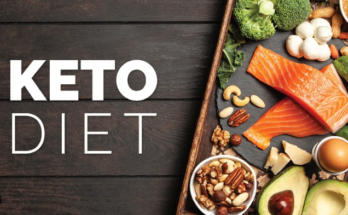
Healthy fats also play a vital role in long-term health. Foods such as nuts, seeds, avocados, and olive oil provide essential fatty acids that support brain function and heart health. Including moderate amounts of these fats in your meals can enhance flavor and help you feel satisfied.
Planning meals ahead of time can make it easier to maintain healthy habits. When meals are prepared or at least thought out in advance, there is less reliance on convenient but less nutritious options. This does not require elaborate cooking; simple meals with basic ingredients can be both healthy and satisfying. Keeping healthy snacks available, such as fruit or yogurt, can also help prevent impulsive choices.
Flexibility is crucial for sustainability. Social events, travel, and busy schedules are part of life, and a rigid diet plan can become stressful and unrealistic. Allowing yourself to enjoy different foods in various situations without guilt helps maintain a positive relationship with eating. What matters most is the overall pattern of your diet rather than any single meal.
Sleep and stress management also influence dietary habits. Poor sleep can disrupt hunger hormones and lead to increased cravings for high-calorie foods. Chronic stress can have a similar effect, making it harder to make balanced choices. Supporting your diet with adequate rest and stress-reducing activities contributes to better long-term outcomes.
It is also important to recognize that individual needs vary. Factors such as age, activity level, health conditions, and personal preferences all play a role in shaping the ideal diet. What works for one person may not work for another, so it is helpful to adapt general principles to fit your own lifestyle. Consulting a qualified professional can provide personalized guidance if needed.
Building a healthy diet is not about perfection. There will be days when choices are less balanced, and that is completely normal. The goal is to return to your regular habits without self-criticism. Over time, these consistent efforts create a stable foundation for long-term health.
A practical diet plan focuses on gradual improvement, balanced nutrition, and a positive mindset. By prioritizing whole foods, staying consistent, and allowing flexibility, you can create a way of eating that supports both your physical health and overall well-being. This approach not only helps maintain a healthy body but also fosters a sustainable relationship with food that can last a lifetime.