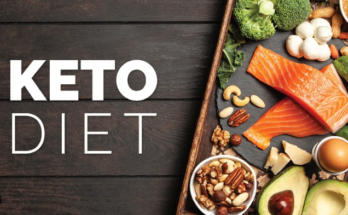
Starting a new diet can feel overwhelming, especially with so many conflicting ideas online. The good news is that a real-world diet plan for beginners does not need to be complicated, restrictive, or unrealistic. Instead of chasing perfection, the goal should be building simple, sustainable habits that fit naturally into everyday life. A beginner-friendly approach focuses on balance, consistency, and gradual improvement rather than extreme rules or quick fixes.
The first step in creating a practical diet plan is understanding that food is not the enemy. Many beginners fall into the trap of labeling foods as “good” or “bad,” which often leads to guilt and frustration. In reality, a healthy diet is about overall patterns, not single meals. It is perfectly okay to enjoy your favorite foods occasionally while still making progress toward your goals. What matters most is what you do consistently over time.
A solid foundation begins with regular meals. Skipping meals might seem like a shortcut to weight loss, but it often leads to overeating later in the day. Instead, aim to eat three balanced meals daily, with optional light snacks if needed. Each meal should include a combination of carbohydrates, protein, and healthy fats. This balance helps maintain energy levels, supports metabolism, and keeps you feeling full longer.
Carbohydrates are often misunderstood, yet they are an important source of energy. Choosing whole, minimally processed options such as rice, oats, fruits, and vegetables can provide steady fuel for the body. Protein is equally important, especially for beginners, as it helps with muscle maintenance and satiety. Simple sources like eggs, fish, chicken, beans, and tofu are easy to include in daily meals. Healthy fats, found in foods like nuts, seeds, and oils, support overall health and add flavor and satisfaction to meals.
Portion awareness is another key element of a realistic diet plan. You do not need to weigh every bite or follow strict measurements, but becoming mindful of how much you eat can make a big difference. A helpful approach is to use visual cues. For example, a portion of protein can be about the size of your palm, while vegetables can fill a large portion of your plate. Over time, this awareness becomes natural and does not require constant effort.
Hydration is often overlooked but plays a major role in how you feel throughout the day. Drinking enough water supports digestion, energy levels, and overall well-being. Sometimes thirst is mistaken for hunger, leading to unnecessary snacking. Keeping a water bottle nearby and sipping regularly can help build this simple but effective habit.
Another important aspect of a beginner diet plan is flexibility. Life is unpredictable, and there will be days when things do not go as planned. Instead of giving up after one off-track meal, it is more helpful to return to your routine at the next opportunity. Progress is not about being perfect every day; it is about staying consistent over time. Allowing room for flexibility makes the plan more sustainable and reduces stress.
Planning ahead can make healthy choices much easier. This does not mean preparing every meal in advance, but having a general idea of what you will eat can reduce last-minute decisions. Keeping simple, nutritious foods at home, such as fruits, vegetables, and basic protein sources, helps create an environment that supports your goals. Even small steps like preparing ingredients in advance can save time and make cooking less intimidating.
Eating mindfully is another valuable habit for beginners. In today’s fast-paced world, it is common to eat while distracted, whether by phones, television, or work. Taking a few moments to focus on your meal can improve digestion and help you recognize when you are full. Eating slowly and paying attention to hunger and fullness cues can prevent overeating and create a more enjoyable experience with food.
Sleep and stress management also play a role in any diet plan. Poor sleep and high stress levels can affect appetite and food choices, often leading to cravings for less nutritious options. While these factors are sometimes overlooked, improving sleep quality and finding ways to manage stress can support better eating habits. Simple practices like maintaining a regular sleep schedule or taking short breaks during the day can have a positive impact.
Physical activity complements a healthy diet but does not need to be extreme. Beginners can start with simple activities such as walking, stretching, or light exercises at home. The goal is to move regularly in a way that feels enjoyable rather than forced. When combined with a balanced diet, even moderate activity can support overall health and well-being.
It is also important to set realistic expectations. Changes in the body and habits take time, and results may not appear immediately. Focusing on small improvements, such as choosing a healthier meal or drinking more water, can build momentum. Celebrating these small wins helps maintain motivation and creates a positive relationship with the process.
A real-world diet plan should adapt to your lifestyle, not the other way around. Cultural preferences, budget, and daily schedule all influence food choices. There is no one-size-fits-all solution, and what works for one person may not work for another. The key is to find an approach that feels natural and sustainable for you.
In the end, a beginner diet plan is less about strict rules and more about building a balanced, flexible routine. By focusing on regular meals, whole foods, portion awareness, and consistency, you can create habits that support long-term health. Progress may be gradual, but it is meaningful and lasting. With patience and a practical mindset, healthy eating can become a natural and enjoyable part of everyday life.