The way people think about food and health has been changing rapidly in recent years. More individuals are questioning traditional dietary advice and looking for alternatives that better suit their personal goals, lifestyles, and well-being. One approach that has gained significant attention is the ketogenic diet, often referred to simply as keto. While it is not a new concept, its popularity today reflects a broader shift toward more mindful and individualized eating habits.
At its core, the keto diet focuses on reducing carbohydrate intake while increasing the consumption of healthy fats. This shift encourages the body to enter a metabolic state known as ketosis, where fat becomes the primary source of energy instead of glucose. For many people, this idea alone is intriguing, especially in a world where carbohydrates have long been a staple of daily meals.
One of the main reasons people are exploring the keto diet is the desire for more stable energy levels throughout the day. Traditional high-carbohydrate diets can sometimes lead to energy spikes followed by crashes, leaving individuals feeling tired or sluggish. By contrast, a lower-carb, higher-fat approach may help some people experience more consistent energy. This steady fuel source can be particularly appealing for those with busy schedules or demanding routines.
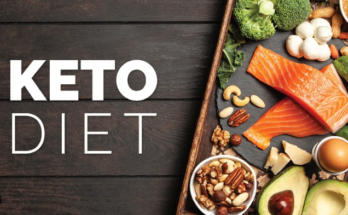
Another factor driving interest in keto is the growing awareness of how food choices can impact overall wellness. Many individuals are becoming more attentive to how they feel after eating certain foods. This curiosity has led them to experiment with different dietary patterns, including keto, to see what works best for their bodies. The emphasis on whole foods such as vegetables, meats, fish, eggs, nuts, and healthy oils also aligns with a broader movement toward less processed eating.
Weight management is often part of the conversation as well. While results can vary from person to person, some individuals find that reducing carbohydrates helps them feel fuller for longer periods. This sense of satiety may lead to fewer cravings and a more mindful approach to eating. For people who have struggled with constant hunger or frequent snacking, this can feel like a meaningful change.
In addition to physical benefits, many people are also interested in how diet can influence mental clarity and focus. Some individuals who follow a ketogenic lifestyle report feeling more alert and less distracted throughout the day. While experiences differ, this potential benefit has contributed to the diet’s growing appeal, particularly among professionals and students seeking improved concentration.
The rise of online communities and accessible information has also played a significant role in the popularity of keto. Social media platforms, blogs, and recipe websites have made it easier than ever to learn about the diet and share experiences. People can find meal ideas, tips for getting started, and encouragement from others who are on a similar journey. This sense of connection can make trying a new way of eating feel less overwhelming.
Convenience is another important aspect. As demand for keto-friendly options has increased, more products and restaurant choices have become available. Grocery stores now often carry items specifically labeled for low-carb or ketogenic diets, making it easier for individuals to incorporate this approach into their daily lives. This accessibility removes some of the barriers that might have existed in the past.
It is also worth noting that many people are drawn to the simplicity of the keto framework. Instead of counting calories or following complex rules, the focus is primarily on macronutrient balance. By prioritizing fats and limiting carbohydrates, individuals can often make straightforward decisions about what to eat. This clarity can be appealing for those who prefer a more structured yet flexible approach.
Despite its popularity, people are increasingly aware of the importance of personalization when it comes to nutrition. Not every diet works the same way for everyone, and many individuals approach keto with a sense of curiosity rather than rigid expectation. They may adapt the principles to fit their preferences, cultural traditions, or specific health considerations.
Another reason for the growing interest in keto is the broader conversation about reducing sugar intake. Many people are becoming more conscious of how much sugar is present in everyday foods and beverages. By naturally limiting many high-sugar items, the ketogenic diet aligns with this awareness and encourages more intentional choices.
The appeal of keto also reflects a larger trend toward taking an active role in one’s health. People are no longer relying solely on generalized advice but are instead exploring different options to see what helps them feel their best. This sense of empowerment can be motivating and may lead to more sustainable habits over time.
As with any dietary approach, balance and informed decision-making are key. Many individuals who explore keto take the time to learn about proper nutrition, hydration, and how to maintain a well-rounded intake of essential nutrients. This thoughtful approach helps ensure that changes are both safe and effective.
In the end, the growing interest in the ketogenic diet is about more than just a trend. It reflects a shift in how people think about food, energy, and overall well-being. Whether someone chooses to follow keto long-term or simply experiments with its principles, the underlying motivation is often the same: a desire to feel better, live more intentionally, and make choices that support a healthier lifestyle.
As more people continue to explore different ways of eating, the conversation around nutrition will likely keep evolving. The keto diet is just one example of how individuals are redefining their relationship with food in a way that feels personal, practical, and aligned with their goals.