The ketogenic diet, often called the keto diet, has gained widespread attention in recent years for its potential to support weight management and overall wellness. While it may sound complex at first, the basic idea is simple and approachable, even for beginners. By focusing on how the body uses energy, the keto diet offers a different way of thinking about food that many people find both interesting and rewarding.
At its core, the keto diet is a low-carbohydrate, high-fat eating plan. Instead of relying on carbohydrates like bread, pasta, and sugary snacks for energy, the body shifts to using fat as its primary fuel source. This metabolic state is known as ketosis. When carbohydrate intake is reduced significantly, the body begins breaking down stored fat into molecules called ketones, which then serve as an alternative energy source.
One of the most commonly discussed benefits of the keto diet is its potential to support weight management. Because fat and protein tend to be more filling than carbohydrates, many people report feeling satisfied for longer periods after meals. This can naturally lead to reduced calorie intake without the need for strict portion control or constant hunger. Additionally, the shift to burning fat for energy may help the body tap into stored fat more efficiently over time.
Another appealing aspect of the keto diet is its potential to help stabilize energy levels throughout the day. Traditional high-carbohydrate diets can sometimes lead to fluctuations in blood sugar, which may cause energy spikes followed by crashes. By contrast, relying on fat for fuel can provide a more steady and sustained source of energy. Many beginners notice that once they adapt to ketosis, they experience fewer mid-day slumps and more consistent focus.
The keto diet may also support mental clarity for some individuals. While everyone’s experience is different, ketones are considered an efficient fuel for the brain. Some people report improved concentration and a clearer sense of thinking when following a ketogenic approach. This effect is often described as a feeling of steady alertness rather than the jittery boost that can come from sugary foods or excessive caffeine.
For those interested in improving their eating habits, the keto diet can encourage a greater awareness of food choices. It emphasizes whole, minimally processed foods such as vegetables, healthy fats, and quality protein sources. This shift away from heavily processed snacks and sugary items can be a positive step toward building more mindful eating patterns. Beginners often find that planning meals becomes an opportunity to explore new ingredients and recipes.
It is also worth noting that the keto diet can help some people reduce their intake of added sugars. Since sugary foods and drinks are high in carbohydrates, they are typically limited on a ketogenic plan. This reduction can be beneficial for those looking to cut back on sugar consumption and develop healthier habits. Over time, many individuals find that their cravings for sweets decrease, making it easier to maintain balanced choices.
Starting the keto diet as a beginner does not have to be overwhelming. A gradual approach can make the transition smoother and more sustainable. For example, reducing carbohydrate intake step by step while increasing healthy fats can help the body adjust more comfortably. Drinking enough water and ensuring adequate intake of essential nutrients are also important parts of getting started.
It is helpful to keep expectations realistic when beginning any new eating plan. The body may need time to adapt to ketosis, and some people experience temporary changes such as fatigue or mild discomfort during the initial phase. These effects are usually short-lived and can often be managed with proper hydration and balanced nutrition. Listening to the body and making adjustments as needed can support a more positive experience.
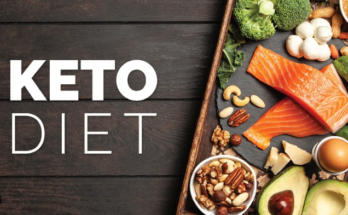
Another beginner-friendly tip is to focus on simple meals rather than complicated recipes. Foods like eggs, leafy greens, nuts, seeds, fish, and healthy oils can form the foundation of a keto-friendly diet. Keeping meals straightforward can make it easier to stay consistent, especially during the early stages. Over time, experimenting with new dishes can add variety and enjoyment.
While the keto diet offers several potential benefits, it is important to remember that individual needs and preferences vary. What works well for one person may not be the best fit for another. Taking a flexible and informed approach can help ensure that any dietary changes align with personal goals and lifestyle. Consulting a qualified professional can also provide guidance tailored to individual circumstances.
The popularity of the keto diet has led to a wide range of resources, from cookbooks to online communities, making it easier than ever for beginners to find support. Learning from others’ experiences and sharing progress can be motivating and encouraging. However, it is always wise to focus on reliable information and maintain a balanced perspective.
In the end, the keto diet is simply one of many ways to approach nutrition. Its emphasis on reducing carbohydrates and increasing healthy fats offers a unique perspective that may appeal to those seeking a different path toward wellness. By starting slowly, staying informed, and paying attention to how the body responds, beginners can explore the potential benefits of the keto diet in a safe and approachable way.
With patience and consistency, many people find that the keto diet becomes easier to follow over time. Whether the goal is to manage weight, support steady energy, or develop more mindful eating habits, this approach can serve as a helpful option for those looking to make positive changes.