The ketogenic diet, often called keto, has gained widespread attention for its potential to support weight loss and improve certain aspects of health. Before jumping into this low-carbohydrate, high-fat approach, it is important to understand how it works, what changes it requires, and whether it fits your individual needs and lifestyle.
At its core, the keto diet is designed to shift your body into a metabolic state known as ketosis. Under normal circumstances, your body relies on carbohydrates as its primary energy source. When carbohydrate intake is significantly reduced, the body begins to break down fat into molecules called ketones, which are then used as fuel. This transition can lead to noticeable changes in how your body functions, both positive and challenging.
One of the main reasons people are drawn to keto is its potential for weight loss. By reducing carbohydrates and increasing fat intake, many individuals experience reduced hunger and fewer cravings. This can make it easier to maintain a calorie deficit without feeling deprived. However, it is important to understand that not all weight loss on keto is immediate fat loss. In the early stages, the body sheds stored glycogen, which releases water. This can result in rapid initial weight loss that may slow over time.
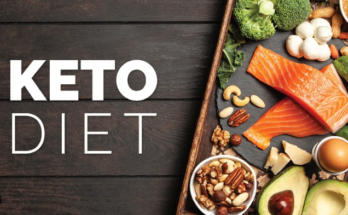
Before starting keto, it is helpful to recognize that this diet involves a significant shift in eating habits. Foods such as bread, pasta, rice, and many fruits are limited or avoided altogether. Instead, meals often include foods like meat, fish, eggs, nuts, seeds, oils, and low-carbohydrate vegetables. This change can feel restrictive for some people, especially those who are used to a more balanced or carbohydrate-rich diet.
Another important consideration is how your body may respond during the transition phase. Many people experience what is commonly referred to as the “keto flu.” This temporary set of symptoms can include fatigue, headaches, irritability, and difficulty concentrating. These effects are often linked to changes in hydration and electrolyte levels as the body adapts to ketosis. Staying well hydrated and ensuring adequate intake of minerals such as sodium, potassium, and magnesium can help ease this adjustment period.
While keto can offer benefits, it is not a one-size-fits-all solution. Individual responses can vary widely based on factors such as age, activity level, medical history, and personal goals. For example, people with certain health conditions or those taking specific medications may need to approach keto with caution. Consulting a qualified healthcare professional before making major dietary changes is a sensible step to ensure safety and suitability.
Nutrient balance is another key aspect to consider. Because keto limits several food groups, it can be more challenging to obtain certain vitamins and minerals. For instance, reducing fruit and whole grain intake may lower your intake of fiber and some essential nutrients. To address this, it is important to include a variety of nutrient-dense foods within the allowed categories and to consider whether supplementation might be appropriate.
Sustainability is often overlooked but plays a crucial role in long-term success. While some individuals thrive on keto and find it easy to maintain, others may struggle with its restrictions over time. Social situations, dining out, and cultural food preferences can all present challenges. It is worth thinking about whether this way of eating aligns with your daily life and whether you can realistically maintain it in the long run.
Another point to keep in mind is that not all fats are created equal. A common misconception is that keto encourages unlimited consumption of any type of fat. In reality, focusing on high-quality sources of fat, such as those found in avocados, nuts, seeds, and olive oil, can contribute to better overall health. Balancing fat intake with adequate protein is also important to support muscle maintenance and overall well-being.
Physical performance can also be affected when starting keto. Some people notice a temporary decrease in energy levels, particularly during high-intensity activities. Over time, the body may adapt to using fat as a primary fuel source, but this adaptation period can vary. Athletes or highly active individuals may need to pay special attention to how keto impacts their performance and recovery.
It is also important to set realistic expectations. While keto has been associated with various potential benefits, including improved blood sugar control and weight management, results can differ from person to person. Avoid relying on extreme claims or quick-fix promises. Instead, focus on gradual, sustainable progress and overall health improvements.
Meal planning and preparation can make a significant difference in your experience with keto. Having suitable foods readily available helps reduce the temptation to revert to high-carbohydrate options. Learning new recipes and experimenting with different ingredients can make the diet more enjoyable and less monotonous.
Hydration is another factor that deserves attention. As carbohydrate intake decreases, the body tends to excrete more water. This makes it especially important to drink enough fluids throughout the day. Proper hydration supports energy levels, digestion, and overall comfort during the transition into ketosis.
It is also helpful to monitor how you feel as you follow the diet. Paying attention to your energy levels, mood, digestion, and overall well-being can provide valuable insights. If you notice persistent discomfort or negative effects, it may be worth reassessing your approach or seeking professional guidance.
In addition, flexibility can be beneficial. Some people adopt a strict ketogenic approach, while others follow a more moderate version that allows for slightly higher carbohydrate intake. Finding a balance that works for your body and lifestyle can increase the likelihood of long-term success.
Finally, remember that no single diet defines health. The keto diet is one of many approaches to eating, and what works well for one person may not work for another. Keeping an open mind and focusing on overall habits, such as regular physical activity, adequate sleep, and stress management, can support your health regardless of the dietary path you choose.
Starting keto can be an exciting step, but it is best approached with knowledge and realistic expectations. By understanding how it works, preparing for potential challenges, and considering your personal needs, you can make a more informed decision about whether this diet is right for you.