The keto way of eating has gained widespread attention in recent years, but at its core, it is a simple and structured approach to food that focuses on how the body uses energy. Instead of relying primarily on carbohydrates for fuel, this lifestyle encourages the body to shift toward burning fat. This metabolic state, often called ketosis, can sound complex at first, but understanding the basics makes it far more approachable.
In a typical diet, carbohydrates from foods like bread, pasta, rice, and sugary snacks are broken down into glucose, which the body uses as its main source of energy. When carbohydrate intake is reduced significantly, the body begins to look for an alternative fuel source. This is where fat comes in. The liver converts fats into molecules called ketones, which can be used to power the body and brain. This natural process is what defines the keto approach.
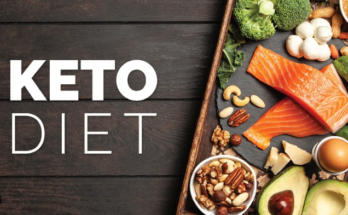
One of the appealing aspects of the keto way of eating is its emphasis on whole, satisfying foods. Meals often include items such as eggs, meats, fish, healthy oils, nuts, seeds, and low-carbohydrate vegetables. Foods like leafy greens, broccoli, zucchini, and cauliflower are commonly enjoyed because they provide important nutrients without adding excessive carbohydrates. At the same time, foods high in sugar and refined grains are generally minimized.
For many people, one of the first noticeable effects of reducing carbohydrates is a change in appetite. Meals that include healthy fats and proteins can help promote a feeling of fullness that lasts longer. This can make it easier to avoid frequent snacking and may naturally lead to a more balanced eating pattern throughout the day. Rather than focusing on strict calorie counting, many individuals find that they simply feel satisfied with fewer meals.
It is also helpful to understand that transitioning into a keto-style diet can take a short period of adjustment. As the body adapts from using carbohydrates to using fat as its main fuel source, some people may experience temporary fatigue or changes in energy levels. Staying hydrated and maintaining a balanced intake of nutrients can help support this transition. With time, many people report feeling more steady energy throughout the day.
Planning plays an important role in making this way of eating sustainable. Having simple meal ideas on hand can make daily choices easier. For example, a breakfast might include eggs cooked with vegetables and a source of healthy fat like avocado. Lunch could feature a salad with grilled chicken, olive oil, and a variety of colorful vegetables. Dinner might include fish or meat paired with roasted vegetables. These kinds of meals are straightforward, satisfying, and easy to prepare.
Another helpful insight is that the keto approach does not have to feel restrictive when approached with creativity. There are many ways to prepare familiar dishes using lower-carbohydrate ingredients. For instance, cauliflower can be used in place of rice or mashed potatoes, and lettuce wraps can replace traditional bread in sandwiches. These substitutions allow for enjoyable meals while still aligning with the overall goal of reducing carbohydrate intake.
It is important to remember that everyone’s body responds differently to changes in diet. What works well for one person may need to be adjusted for another. Paying attention to how you feel, including your energy levels and overall well-being, can help guide your choices. Some people prefer a stricter version of keto, while others adopt a more flexible approach that still emphasizes lower carbohydrate intake without being overly rigid.
Balance is a key part of any long-term eating pattern. While the keto way of eating focuses on specific macronutrient ratios, it is still important to include a variety of nutrient-dense foods. Incorporating a range of vegetables, quality protein sources, and healthy fats helps support overall wellness. Listening to your body and making thoughtful adjustments can make the experience more enjoyable and sustainable.
Social situations and dining out can also be navigated with ease when you have a general understanding of your options. Many restaurants offer dishes that can be adapted, such as choosing grilled proteins and vegetables instead of high-carbohydrate sides. With a bit of planning, it becomes easier to stay consistent without feeling limited in your choices.
Another encouraging aspect of this lifestyle is its flexibility over time. Some people choose to follow keto consistently, while others use it as a starting point to better understand their relationship with food. The insights gained from paying attention to macronutrients and how different foods affect energy can be valuable regardless of the specific approach you take in the long run.
As with any dietary change, it can be beneficial to approach the keto way of eating with a sense of curiosity rather than pressure. Learning about how your body responds and making gradual adjustments can lead to a more positive experience. Small, consistent steps often lead to the most lasting results.
In summary, the keto way of eating centers on reducing carbohydrates and increasing the use of fat as a primary energy source. By focusing on simple, whole foods and paying attention to how your body feels, this approach can become easier to understand and follow. With thoughtful planning, a willingness to adapt, and a balanced perspective, many people find that it offers a practical and satisfying way to think about food.