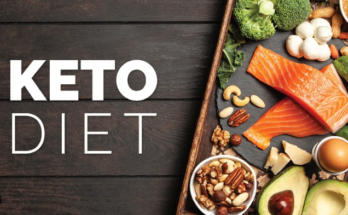
Food is more than fuel. It’s comfort, culture, habit, and sometimes even a source of confusion. With so many dietary trends competing for attention, it can be difficult to know what truly supports your well-being. Among these approaches, the ketogenic diet, often called keto, has gained popularity not just for weight management but for the way it encourages people to rethink their relationship with food.
At its core, keto is a low-carbohydrate, high-fat, moderate-protein way of eating. By significantly reducing carbohydrate intake, the body shifts into a metabolic state called ketosis, where it burns fat for energy instead of relying primarily on glucose. While this scientific explanation is important, the real transformation often happens in how people begin to view their everyday food choices.
One of the most noticeable shifts is awareness. Many people start keto without realizing how much sugar and refined carbohydrates are present in their daily meals. Bread, pasta, snacks, and even seemingly healthy items like flavored yogurt or granola can contain more carbohydrates than expected. As individuals transition into keto, they naturally begin reading labels, questioning ingredients, and becoming more mindful of what they consume. This increased awareness often continues even beyond the diet itself.
Another way keto encourages a fresh perspective is by changing how hunger is experienced. Traditional eating patterns that rely heavily on carbohydrates can lead to rapid spikes and drops in blood sugar, which may contribute to frequent hunger or cravings. By focusing on fats and proteins, many people report feeling fuller for longer periods. This shift can help individuals distinguish between true hunger and habitual or emotional eating, making it easier to develop a more balanced approach to meals.
Keto also challenges long-standing assumptions about fats. For years, dietary fat was often viewed negatively, leading many to choose low-fat or fat-free products that were sometimes high in added sugars. Keto flips this idea by emphasizing healthy fats such as those found in avocados, nuts, seeds, and certain oils. This change encourages a broader understanding of nutrition, helping people recognize that not all fats are the same and that some can play a valuable role in a balanced diet.
In addition, keto can inspire creativity in the kitchen. When common staples like bread or pasta are reduced or removed, individuals often explore new ingredients and cooking methods. Vegetables become more central to meals, and alternatives such as cauliflower rice or zucchini noodles introduce variety. This experimentation can make cooking more engaging and enjoyable, turning meals into opportunities for discovery rather than routine.
Social habits around food may also evolve. Many gatherings revolve around high-carbohydrate dishes or sugary treats, and following keto can prompt individuals to think ahead about their choices in these settings. This doesn’t necessarily mean avoiding social situations but rather approaching them with intention. Over time, people often become more confident in selecting foods that align with their goals while still participating in shared experiences.
It is also worth noting that keto can highlight the importance of quality over quantity. Instead of focusing solely on calorie counts, individuals often pay closer attention to the source of their food. Whole, minimally processed ingredients tend to become the foundation of meals, which can contribute to a more satisfying and nourishing eating pattern. This emphasis on quality can reshape how people shop, cook, and think about food overall.
However, like any dietary approach, keto is not one-size-fits-all. It may not suit everyone’s lifestyle, preferences, or health needs. What makes it valuable for many people is not just the specific rules but the mindset it fosters. By encouraging awareness, intentionality, and curiosity, keto can serve as a tool for reevaluating habits that may have developed over time.
Sustainability is another important consideration. Some people follow keto long-term, while others use it as a temporary framework to reset their eating patterns. Regardless of duration, the insights gained can have lasting effects. Learning to identify hidden sugars, understanding the role of macronutrients, and becoming more mindful of hunger cues are skills that can be applied in many different dietary styles.
Keto can also prompt reflection on how food affects overall well-being. Beyond physical changes, individuals may notice differences in energy levels, focus, or daily routines. Paying attention to these factors can deepen the connection between food choices and how one feels, leading to more informed decisions in the future.
Another meaningful shift is the move away from automatic eating. Many people eat out of convenience, habit, or boredom without giving much thought to their choices. Keto often requires planning, especially in the beginning, which can interrupt these automatic patterns. This pause creates space to make more deliberate decisions, helping individuals align their eating habits with their personal goals.
It is important to approach keto with balance and realistic expectations. While it can offer benefits, it should not become a source of stress or rigidity. Flexibility, self-awareness, and a willingness to adapt are key to maintaining a healthy relationship with food. Listening to one’s body and making adjustments as needed can help ensure that any dietary approach remains supportive rather than restrictive.
In the end, the true value of keto may lie in the perspective it offers. By encouraging people to question привычные choices, explore new foods, and pay attention to how they feel, it opens the door to a more thoughtful and intentional way of eating. Whether someone chooses to follow keto strictly, adapt certain principles, or simply use it as a learning experience, the process can lead to a deeper understanding of food and its role in everyday life.
Rethinking food choices is not about perfection. It is about becoming more aware, making informed decisions, and finding an approach that feels both nourishing and sustainable. Keto, for many, serves as a starting point for that journey, offering insights that extend far beyond the plate.