The ketogenic diet, often called keto, has become one of the most talked-about approaches to eating in recent years. While many diets focus on reducing calories or balancing food groups, keto stands apart because it changes how the body fuels itself. Instead of relying on carbohydrates as the primary energy source, keto encourages the body to use fat for fuel. This shift creates a unique metabolic state known as ketosis, which is the foundation of what makes keto different from most other diets.
At its core, the ketogenic diet is built on a very low intake of carbohydrates, a moderate intake of protein, and a high intake of fats. In a typical diet, carbohydrates are broken down into glucose, which the body uses for energy. When carbohydrate intake is drastically reduced, the body must find an alternative source of fuel. This is where fat comes in. The liver converts fat into molecules called ketones, which the body and brain can use as an energy source. This process is what defines ketosis and distinguishes keto from other dietary approaches.
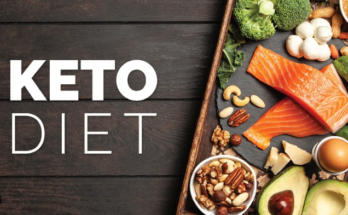
Many traditional diets emphasize calorie counting or portion control. While calories still matter on keto, the primary focus is on macronutrient composition rather than simply eating less. People following keto are encouraged to eat foods rich in healthy fats such as avocados, nuts, seeds, oils, and certain dairy products, while limiting foods high in carbohydrates like bread, pasta, rice, and sugary snacks. This emphasis on fat as a central component of the diet is one of the biggest differences compared to low-fat or balanced diets that have been popular for decades.
Another factor that sets keto apart is how it can influence hunger and satiety. High-fat and moderate-protein meals tend to be more filling than meals high in refined carbohydrates. As a result, many people on keto report feeling satisfied for longer periods and experiencing fewer cravings. This can naturally lead to a reduction in overall calorie intake without the need for strict calorie counting. In contrast, some other diets may leave individuals feeling hungry or deprived, making them harder to maintain over time.
Keto also differs in how it affects blood sugar and insulin levels. By significantly reducing carbohydrate intake, the diet helps minimize spikes in blood sugar. This can lead to more stable energy levels throughout the day. Many people notice fewer energy crashes compared to diets that include frequent consumption of high-carb foods. This steadier energy profile is often cited as one of the appealing aspects of keto, particularly for those looking to avoid the ups and downs associated with sugar-heavy eating patterns.
Unlike many fad diets that come and go, keto is based on a well-understood biological process. However, it is still quite different from general healthy eating guidelines, which typically recommend a balanced intake of carbohydrates, proteins, and fats. Because keto restricts certain food groups, it requires more planning and awareness to ensure nutritional needs are met. This level of structure can be helpful for some people, but it may feel restrictive to others, especially those who enjoy a wide variety of carbohydrate-rich foods.
Another way keto stands out is in how quickly some individuals notice changes. When the body enters ketosis, it begins to use stored fat for energy, which can lead to weight loss for some people. Additionally, the reduction in carbohydrates can cause the body to release stored water, resulting in noticeable changes early on. While results can vary widely from person to person, this early shift is something that distinguishes keto from slower, more gradual dietary approaches.
Keto is also unique in the types of foods it encourages and discourages. Foods like meat, fish, eggs, cheese, and non-starchy vegetables are commonly included, while foods such as grains, most fruits, and sugary items are limited. This creates a very different eating pattern compared to plant-based diets, low-fat diets, or traditional calorie-restricted plans. For some, this can feel liberating because it allows for satisfying, rich meals. For others, the restriction of familiar foods can be challenging.
Social and lifestyle factors further highlight how keto differs from other diets. Eating out, attending gatherings, or traveling may require more preparation and mindful choices to stay within keto guidelines. While this is true for many diets, keto’s strict carbohydrate limits can make it especially important to plan ahead. Over time, many people develop routines and find ways to adapt, but the initial adjustment period can be more noticeable compared to more flexible eating plans.
It is also worth noting that keto is not a one-size-fits-all solution. Different diets work for different people depending on their goals, preferences, and health considerations. What makes keto unique is not necessarily that it is better than all other diets, but that it offers a distinct approach centered on metabolic change rather than simple restriction. This difference is what draws many people to try it, especially those who have not found success with other methods.
Understanding what makes keto different can help individuals make informed decisions about whether it aligns with their lifestyle. The focus on fat as a primary fuel source, the reduction of carbohydrates, and the resulting state of ketosis all contribute to its uniqueness. While it may require adjustments and careful planning, keto offers an alternative way of thinking about food and energy that sets it apart from more traditional dietary approaches.
In the end, the ketogenic diet represents a shift in perspective. Instead of viewing fat as something to avoid, it embraces fat as a key component of daily nutrition. Instead of relying on carbohydrates for quick energy, it trains the body to use a more sustained fuel source. These fundamental differences are what make keto stand out in the crowded world of diets, offering a distinctive path for those seeking a different approach to eating.