The keto diet, short for the ketogenic diet, has gained a lot of attention in recent years, but at its core, it is actually a simple idea explained in a new way. It focuses on changing how your body gets its energy. Instead of relying mostly on carbohydrates like bread, pasta, and sugar, the keto diet encourages your body to use fat as its main fuel source. This shift can sound complicated at first, but it becomes easier to understand when you break it down into everyday language.
Under normal eating habits, your body converts carbohydrates into glucose, which is a type of sugar in your blood. Glucose is then used as the primary energy source for your brain and body. When you reduce your carbohydrate intake significantly, your body needs to find another way to keep everything running smoothly. This is where the ketogenic process begins. Your liver starts converting fat into molecules called ketones, which your body can use for energy instead of glucose. This state is known as ketosis.
One of the reasons people are drawn to the keto diet is because it can help reduce reliance on frequent meals and snacks. When your body uses fat for fuel, energy levels may feel more steady throughout the day. Instead of experiencing spikes and crashes related to sugar intake, many people report feeling more balanced. However, it is important to remember that individual experiences vary, and what works well for one person may not be the same for another.
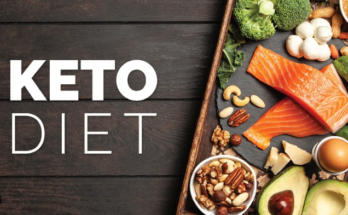
A typical keto-friendly meal often includes foods like eggs, meat, fish, cheese, nuts, seeds, and low-carbohydrate vegetables such as leafy greens. Healthy fats such as avocado, olive oil, and butter are also common. Foods high in carbohydrates, including sugary drinks, baked goods, and many processed snacks, are usually limited or avoided. This doesn’t mean food has to be boring. Many people find creative ways to prepare satisfying meals that fit within keto guidelines.
It is helpful to think of the keto diet not as a strict set of rules, but as a way of adjusting your eating pattern. The general idea is to keep carbohydrates low, moderate your protein intake, and increase your consumption of healthy fats. This balance helps your body remain in ketosis. Tracking food intake can be useful at the beginning, especially for those who are new to this approach, as it helps build awareness of what you are eating.
Starting the keto diet can come with an adjustment period. Some people experience what is commonly referred to as the “keto flu,” which may include feelings of fatigue, headaches, or irritability during the first few days. This happens as your body adapts to a new energy source. Staying hydrated and ensuring you are getting enough electrolytes can help ease this transition. These temporary effects often improve as your body becomes more accustomed to ketosis.
Another aspect to consider is that the keto diet may influence appetite. Because fat and protein can be more filling, many people find themselves naturally eating less without feeling deprived. This can be one reason why some individuals explore keto as part of a broader wellness routine. That said, it is always important to approach any dietary change with balance and awareness rather than focusing on restriction alone.
It is also worth noting that the keto diet is not a one-size-fits-all solution. People have different nutritional needs based on their lifestyle, activity level, and overall health. Some may choose to follow a strict ketogenic plan, while others prefer a more flexible, lower-carbohydrate approach. Listening to your body and making gradual adjustments can be a helpful way to find what feels sustainable.
Social situations and dining out can feel a bit challenging at first, but with a little planning, they become easier to navigate. Many restaurants offer options that can be adapted, such as choosing protein-rich dishes and swapping high-carbohydrate sides for vegetables. Over time, these choices can become second nature.
It is always a good idea to seek guidance from a qualified professional before making significant dietary changes, especially if you have existing health conditions or specific nutritional concerns. A balanced perspective helps ensure that any new eating pattern supports your overall well-being rather than creating unnecessary stress.
One of the most helpful ways to approach the keto diet is with curiosity rather than pressure. Learning how your body responds to different foods can be an empowering experience. Whether someone decides to follow keto long-term or simply explore some of its principles, the key is to maintain a positive and flexible mindset.
In simple terms, the keto diet is about teaching your body to rely less on sugar and more on fat for energy. While it may sound like a big shift, many people find that it becomes easier with time and practice. By focusing on whole foods, staying mindful of your choices, and allowing yourself room to adjust, the keto diet can be understood as one of many ways to approach nutrition in a thoughtful and personalized way.