The ketogenic lifestyle, often called “keto,” has become a popular way for people to rethink how they eat and fuel their bodies. At its core, keto is not about extreme restriction or complicated rules. It is a simple shift in how your body gets energy. By focusing on low carbohydrates, moderate protein, and higher healthy fats, keto encourages your body to use fat as its primary fuel source instead of sugar.
To understand keto, it helps to know how the body typically works. Most people rely on carbohydrates for energy. When you eat foods like bread, pasta, or sugar, your body breaks them down into glucose, which is used for fuel. On a ketogenic diet, carbohydrate intake is significantly reduced. As a result, the body enters a natural metabolic state called ketosis, where it begins breaking down fat into molecules called ketones to use for energy.
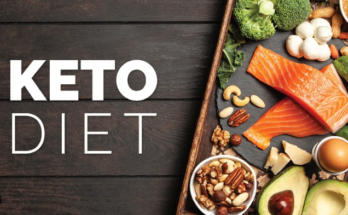
This shift may sound technical, but in practice, keto can be quite approachable. A typical keto plate might include foods like eggs, avocados, leafy greens, nuts, seeds, meat, fish, and healthy oils such as olive oil or coconut oil. These foods are satisfying and flavorful, which is one reason many people find keto easier to stick with compared to traditional low-fat diets.
One of the main reasons people explore keto living is for weight management. When the body uses fat for fuel, it can help reduce overall body fat over time. Additionally, meals that are higher in fat and protein can promote a feeling of fullness, which may naturally reduce snacking and overeating. However, it is important to approach keto as a balanced lifestyle rather than a quick fix. Sustainable habits tend to produce the best long-term results.
Beyond weight considerations, some individuals report improved energy levels and mental clarity while following a ketogenic approach. Because blood sugar levels remain more stable without frequent carbohydrate spikes, energy may feel more consistent throughout the day. This steadiness can be especially helpful for those who experience energy dips after high-carb meals.
Getting started with keto does not require perfection. A gradual transition can often feel more manageable. For example, you might begin by reducing sugary snacks and refined grains, then slowly replace them with whole, nutrient-dense foods. Planning meals ahead of time can also make a big difference, especially during the first few weeks as your body adapts.
It is also helpful to stay hydrated and ensure you are getting enough electrolytes, such as sodium, potassium, and magnesium. When carbohydrate intake drops, the body releases more water, which can lead to temporary imbalances. Drinking water and including mineral-rich foods can help you feel your best during this adjustment period.
One common concern about keto is whether it limits food choices too much. While it is true that certain high-carb foods are reduced, many people discover new ingredients and recipes they might not have tried otherwise. From zucchini noodles to cauliflower rice and almond flour baking, keto can open the door to creative cooking. Over time, these alternatives often become enjoyable staples rather than substitutes.
Social situations and dining out can also be navigated with a bit of planning. Many restaurants offer flexible menu options, allowing you to choose dishes centered around protein and vegetables while skipping sugary sauces or starchy sides. Simple adjustments, like asking for a burger without the bun or choosing a salad with olive oil dressing, can keep you aligned with your goals without feeling restricted.
It is important to remember that keto is not a one-size-fits-all solution. Every individual has unique nutritional needs, preferences, and health considerations. Some people thrive on a ketogenic approach, while others may prefer a more moderate balance of carbohydrates. Listening to your body and making adjustments as needed is key to finding what works best for you.
For those considering keto, focusing on whole, minimally processed foods is a helpful guideline. While there are many packaged products marketed as “keto-friendly,” not all of them support overall wellness. Reading ingredient labels and prioritizing real food can make your approach both simpler and more nourishing.
Consistency often matters more than strict adherence. Occasional deviations do not erase progress. Instead of aiming for perfection, it can be more helpful to build habits that you can maintain over time. This mindset encourages a healthier relationship with food and reduces unnecessary stress.
Another aspect of keto living is understanding your motivation. Whether your goal is to feel more energized, support a healthier lifestyle, or explore a new way of eating, having a clear reason can help you stay committed. Writing down your intentions or tracking how you feel can provide valuable insight and encouragement along the way.
Support can also play a meaningful role. Sharing your journey with friends, family, or online communities can make the experience more enjoyable and less isolating. Exchanging recipes, tips, and encouragement often helps people stay inspired and confident in their choices.
As with any dietary change, it is wise to approach keto with a sense of balance and awareness. If you have specific health conditions or concerns, consulting a qualified professional can provide personalized guidance. This ensures that your approach aligns with your individual needs and supports your overall well-being.
In the end, keto living is less about strict rules and more about a shift in perspective. It invites you to focus on nourishing foods, mindful choices, and sustainable habits. By taking a straightforward and flexible approach, you can explore whether keto fits into your lifestyle in a way that feels both practical and rewarding.
With patience and curiosity, many people find that keto becomes not just a diet, but a way of simplifying how they eat and care for their bodies.