If you have heard people talking about “going keto” and wondered what it actually means, you are not alone. The ketogenic diet, often shortened to keto, has become a popular way of eating for people who want to feel more energized, manage their weight, or simply explore a different approach to nutrition. While it may sound complicated at first, keto eating can be understood in a simple and approachable way.
At its core, the keto diet is about changing how your body gets its energy. Most people rely primarily on carbohydrates, such as bread, pasta, and sugar, to fuel their daily activities. When you follow a ketogenic lifestyle, you reduce your carbohydrate intake and instead focus on foods rich in fats, along with moderate amounts of protein. This shift encourages your body to enter a state called ketosis, where it begins using fat as its main energy source instead of carbohydrates.
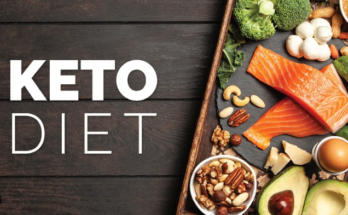
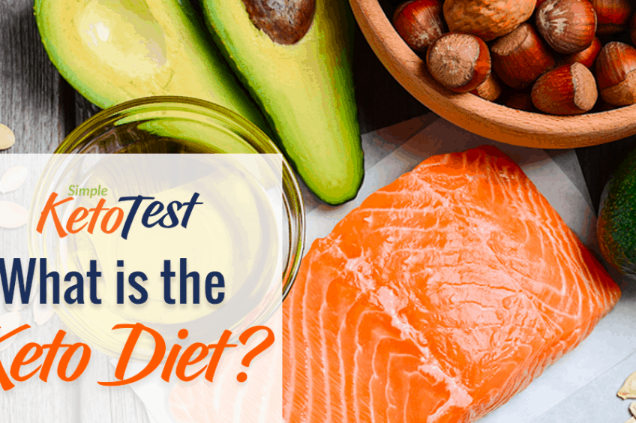
One of the reasons many people are drawn to keto eating is its straightforward structure. Rather than counting every calorie, the emphasis is on choosing certain types of foods. Common keto-friendly options include eggs, meat, fish, cheese, nuts, seeds, healthy oils, and low-carbohydrate vegetables like leafy greens, broccoli, and zucchini. At the same time, foods high in sugar and starch are limited or avoided. This includes items like sugary drinks, sweets, bread, and many processed snacks.
Despite these restrictions, keto meals can be both satisfying and enjoyable. A typical day might include a breakfast of eggs cooked in butter with avocado, a lunch featuring a salad topped with grilled chicken and olive oil, and a dinner of salmon with roasted vegetables. Snacks might include nuts or cheese. Many people find that these meals help them feel full for longer periods, which can naturally reduce the urge to snack frequently.
Another aspect that makes keto appealing is the potential for stable energy levels throughout the day. Because the diet minimizes rapid spikes and drops in blood sugar, some people report feeling more consistent energy without the mid-afternoon slump that often comes with high-carbohydrate eating patterns. However, it is important to note that individual experiences can vary, and it may take some time for the body to adjust to this new way of fueling itself.
Getting started with keto does not have to be overwhelming. A gradual approach can be helpful. For example, you might begin by reducing sugary foods and refined carbohydrates, then slowly incorporate more healthy fats into your meals. Planning ahead can also make a big difference. Having keto-friendly foods readily available can help you stay on track and avoid reaching for less suitable options when you are busy or hungry.
It is also helpful to stay hydrated and pay attention to how your body feels during the transition. Some people experience temporary changes, often referred to as the “keto flu,” which can include mild fatigue or headaches as the body adapts. These effects are usually short-lived and can often be managed by drinking enough water and maintaining a balanced intake of electrolytes.
While keto eating can offer benefits for some individuals, it is not a one-size-fits-all solution. Everyone has unique nutritional needs, and what works well for one person may not be ideal for another. It is always a good idea to listen to your body and consider consulting a qualified professional if you have specific health concerns or conditions. A thoughtful approach ensures that your dietary choices support your overall well-being.
Flexibility is another important part of maintaining a positive relationship with food. Some people choose to follow keto strictly, while others adopt a more relaxed version that allows occasional higher-carbohydrate meals. Finding a balance that fits your lifestyle can make the experience more sustainable and enjoyable in the long term.
In addition to food choices, mindset plays a key role in any dietary change. Approaching keto eating with curiosity rather than pressure can help you learn what works best for you. Trying new recipes, experimenting with ingredients, and discovering flavors you enjoy can make the journey more engaging. Over time, these small changes can become natural habits rather than strict rules.
Social situations can also be navigated with a bit of planning. Whether dining out or attending gatherings, many restaurants offer options that can be adapted to fit a keto approach, such as choosing dishes centered around protein and vegetables. Communicating your preferences in a friendly and flexible way can make these experiences comfortable and enjoyable.
Ultimately, keto eating is simply one of many ways to approach nutrition. Its focus on reducing carbohydrates and emphasizing healthy fats offers a different perspective on how to fuel the body. By keeping things simple, staying attentive to your needs, and allowing room for flexibility, you can explore whether this style of eating aligns with your personal goals and lifestyle.
Starting something new can feel like a big step, but it does not have to be complicated. With a friendly mindset and a willingness to learn, keto eating can become an approachable and rewarding experience. Whether you decide to fully embrace it or just incorporate some of its principles, the journey is yours to shape in a way that feels both comfortable and sustainable.