The ketogenic diet, often shortened to “keto,” has become one of the most talked-about eating patterns in recent years. It is frequently praised for rapid weight loss, increased energy, and even mental clarity. At the same time, it is often criticized as extreme or difficult to maintain. With so much conflicting information available, it can be hard to separate fact from exaggeration. Taking a balanced, realistic look at keto can help people understand what it actually involves and whether it might fit their lifestyle.
At its core, the ketogenic diet is a way of eating that focuses on very low carbohydrate intake, moderate protein, and higher fat consumption. The goal is to shift the body into a metabolic state called ketosis. In ketosis, the body relies on fat, rather than carbohydrates, as its primary source of energy. This leads to the production of compounds called ketones, which the body and brain can use for fuel.
Many of the dramatic claims surrounding keto stem from how quickly some people notice changes when they first reduce carbohydrates. When carb intake drops, the body uses up stored glycogen, which is linked to water. As a result, early weight loss often includes a noticeable drop in water weight. While this can feel encouraging, it is important to understand that it does not necessarily reflect long-term fat loss. Sustainable results tend to come from consistent habits over time rather than rapid initial changes.
Another aspect that often gets overstated is the idea that keto is a “magic solution.” While some people do experience benefits such as reduced appetite or more stable energy levels, these effects are not universal. Individual responses vary widely depending on factors like genetics, activity level, sleep quality, and overall diet quality. For some, keto can feel manageable and satisfying, while others may find it restrictive or difficult to maintain.
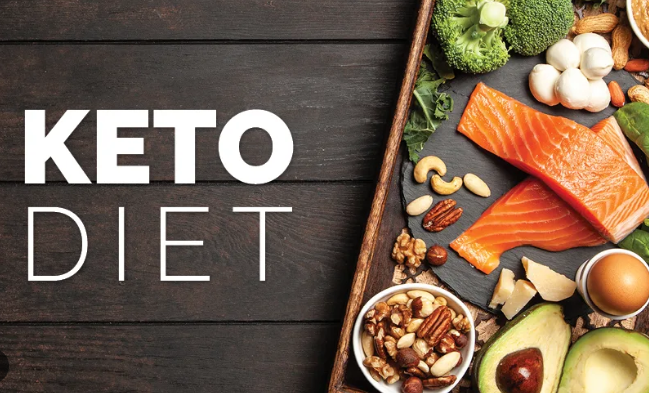
Understanding what keto actually looks like in practice can also help reduce confusion. A well-structured ketogenic diet typically includes foods such as leafy greens, non-starchy vegetables, nuts, seeds, eggs, fish, and healthy fats like olive oil or avocado. It is not simply about eating large amounts of processed meats or high-fat snacks. The quality of food choices still matters. Nutrient-dense options support overall health far better than heavily processed alternatives, even if both technically fit within the same macronutrient targets.
It is also worth noting that carbohydrates are not inherently harmful. They are a natural part of many nutritious foods, including fruits, whole grains, and legumes. These foods provide fiber, vitamins, and minerals that support digestion and overall well-being. Eliminating or drastically reducing them can make it more challenging to meet certain nutritional needs unless meals are carefully planned. This is one reason why some people choose a more moderate approach rather than strict keto.
Social and lifestyle factors can play a significant role in how sustainable keto feels. Dining out, attending gatherings, or traveling can become more complicated when following a very low-carb plan. While some individuals enjoy the structure and clarity of keto guidelines, others may find the restrictions create stress or reduce flexibility. A sustainable eating pattern is one that can adapt to real-life situations without causing ongoing frustration.
Another important point often overlooked in popular discussions is that keto is not the only way to achieve health or weight-related goals. Many dietary approaches can support well-being when they emphasize whole foods, balanced nutrition, and consistency. Keto is simply one option among many. Framing it as the only effective solution can create unrealistic expectations and discourage people who might thrive with a different approach.
There are also some common misconceptions about energy and performance. While the body can adapt to using fat for fuel, this process can take time, and some people experience temporary fatigue or reduced performance during the transition. For individuals who engage in high-intensity activities, carbohydrates can still play a useful role in supporting performance. This does not mean keto cannot work for active people, but it highlights the importance of aligning dietary choices with personal needs and goals.
Hydration and electrolyte balance are additional factors that deserve attention. When carbohydrate intake decreases, the body tends to excrete more water and electrolytes. This can contribute to symptoms like headaches or low energy, especially in the early stages. Paying attention to fluid intake and maintaining a balanced diet can help support a smoother transition.
A thoughtful approach to keto also includes recognizing when it may not be the best fit. People with certain medical conditions, specific nutritional needs, or unique lifestyle demands may benefit from a different eating pattern. Consulting a qualified professional can provide personalized guidance and help ensure that any dietary changes support overall health.
Perhaps the most helpful way to think about keto is not as a trend or a strict rulebook, but as a framework that can be adjusted. Some individuals follow a strict ketogenic plan, while others adopt a lower-carb style of eating without aiming for full ketosis. Both approaches can be valid, depending on personal preferences and goals. Flexibility can make it easier to maintain positive habits over the long term.
In a world where diet trends often come with bold promises, taking a measured and informed perspective is valuable. Keto can offer certain benefits for some people, particularly when it encourages mindful eating and reduces reliance on highly processed foods. At the same time, it is not a one-size-fits-all solution, and it works best when approached with realistic expectations.
Ultimately, understanding keto without the hype means focusing on the fundamentals. It involves recognizing what the diet actually entails, being aware of both its potential advantages and limitations, and considering how it fits into a broader lifestyle. By moving beyond exaggerated claims and taking a balanced view, individuals can make choices that align with their needs and support long-term well-being.