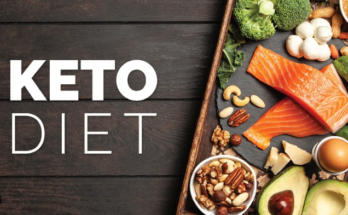
The keto diet, short for ketogenic diet, has become one of the most talked-about ways of eating in recent years. While it may sound complicated at first, the basic idea is actually quite simple. The keto diet focuses on reducing carbohydrate intake and replacing it with fats, which helps the body enter a natural metabolic state called ketosis. In ketosis, the body becomes more efficient at burning fat for energy instead of relying on sugar from carbohydrates.
To understand why this matters, it helps to think about how the body typically gets its energy. Most people consume a diet that is high in carbohydrates, such as bread, pasta, rice, and sugary snacks. These foods are broken down into glucose, which the body uses as its main fuel source. However, when carbohydrate intake is significantly reduced, the body must find another source of energy. This is where fat comes in. The liver converts fat into molecules called ketones, which the body can use for fuel.
One of the most commonly discussed benefits of the keto diet is weight loss. Because the body is burning fat for energy, many people find that they lose weight more easily on a ketogenic diet compared to traditional low-fat diets. Additionally, fat and protein tend to be more filling than carbohydrates, which may help reduce overall calorie intake without the need for strict portion control. People often report feeling satisfied after meals, which can make it easier to stick to the diet over time.
Another benefit often associated with the keto diet is improved energy levels. While it may take a few days or weeks for the body to adjust to using ketones instead of glucose, many individuals report feeling more consistent energy throughout the day once they are fully adapted. Unlike the spikes and crashes that can come from consuming sugary foods, a keto-based approach may provide a steadier source of fuel.
The keto diet may also support better mental clarity and focus for some individuals. The brain can use ketones as an efficient source of energy, and some people find that this leads to improved concentration and reduced brain fog. While experiences can vary, this is one reason why the ketogenic diet has been studied in connection with neurological health.
In addition to these benefits, some people choose the keto diet as a way to help manage blood sugar levels. By reducing carbohydrate intake, there is less impact on blood glucose after meals. This can be particularly appealing for individuals who are looking to maintain balanced energy levels throughout the day. However, it is always important to approach dietary changes thoughtfully and, when needed, with professional guidance.
The keto diet may also influence appetite in helpful ways. Foods that are higher in fat and protein can help people feel full for longer periods of time, which may reduce the urge to snack frequently. This can create a more natural eating pattern, where meals are satisfying and cravings are less intense. For some individuals, this can make healthy eating feel more sustainable.
Another area where the keto diet has gained attention is in its potential to support metabolic health. By encouraging the body to rely on fat for fuel, it may help improve how the body processes and stores energy. While research is ongoing, this aspect of the keto diet continues to attract interest from both individuals and health professionals.
Despite these potential benefits, it is important to recognize that the keto diet is not a one-size-fits-all solution. Everyone’s body is different, and what works well for one person may not be ideal for another. Some people may find the transition into ketosis challenging, experiencing temporary symptoms such as fatigue or irritability as the body adapts. These effects are often short-lived, but they can still be uncomfortable.
It is also important to focus on the quality of foods consumed on a keto diet. While the diet emphasizes fats, choosing nutrient-dense sources such as avocados, nuts, seeds, and healthy oils can make a big difference. Including a variety of vegetables and adequate protein can help support overall health while following this approach.
For those considering the keto diet, starting gradually may make the transition smoother. Reducing carbohydrates step by step and increasing healthy fats can help the body adjust more comfortably. Staying hydrated and maintaining a balanced intake of electrolytes can also support the transition process.
In conclusion, the keto diet offers a different way of thinking about food and energy. By shifting the body’s primary fuel source from carbohydrates to fat, it may provide benefits such as weight loss, steady energy, improved focus, and better appetite control for some individuals. At the same time, it is important to approach the diet with awareness and flexibility, recognizing that individual needs can vary. With a thoughtful and balanced approach, the keto diet can be a useful option for those looking to explore new ways of supporting their health and well-being.