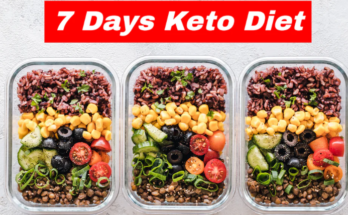
Starting a new way of eating can feel overwhelming, especially when it involves changing habits that have been part of daily life for years. The ketogenic diet, often called keto, has gained popularity for its potential to support weight management, steady energy levels, and improved metabolic health. This guide is designed to walk you through the basics in a clear, friendly way, helping you begin your keto journey with confidence while keeping everything aligned with general content and advertising guidelines.
The ketogenic diet is built around a simple idea: shifting your body’s primary source of fuel from carbohydrates to fats. Normally, the body relies on glucose from carbs for energy. When carb intake is reduced significantly, the body enters a metabolic state called ketosis, where it burns fat for fuel instead. This process produces molecules called ketones, which become an alternative energy source for the brain and body.
A typical keto diet focuses on high fat intake, moderate protein, and very low carbohydrates. While exact ratios can vary, many people aim for about 70 to 75 percent of calories from fat, 20 to 25 percent from protein, and around 5 to 10 percent from carbohydrates. This shift may sound drastic at first, but with the right approach, it can become a sustainable and enjoyable way of eating.
One of the most important steps when starting keto is understanding which foods to include and which to limit. Foods that are commonly enjoyed on keto include meats, poultry, fish, eggs, healthy oils, butter, nuts, seeds, and low-carbohydrate vegetables such as leafy greens, broccoli, and zucchini. Dairy products like cheese and cream are also often included, depending on personal preference and tolerance.
On the other hand, foods high in carbohydrates are generally reduced or avoided. These include bread, pasta, rice, sugary snacks, and many processed foods. Fruits are also limited, though small portions of berries may fit into some keto plans. The goal is not to eliminate entire food groups without thought, but to make mindful choices that support the body’s transition into ketosis.
When beginning keto, planning ahead can make a significant difference. Preparing meals in advance helps ensure that you always have suitable options available, reducing the temptation to reach for high-carb convenience foods. Simple meals like grilled chicken with roasted vegetables, salads topped with healthy fats, or omelets with cheese and greens can be both satisfying and easy to prepare.
Hydration is another key factor that is sometimes overlooked. As the body adjusts to a lower carbohydrate intake, it tends to release more water and electrolytes. Drinking enough fluids and including sources of sodium, potassium, and magnesium can help maintain balance and support overall well-being during the transition.
Some people experience temporary changes when starting keto, often referred to as the “keto flu.” This may include feelings of fatigue, headaches, or irritability as the body adapts to a new energy source. These effects are usually short-lived and can often be eased by staying hydrated, eating enough nutrients, and allowing time for adjustment. Listening to your body and making gradual changes can help make the process smoother.
It is also helpful to focus on building balanced meals rather than simply cutting carbs. Including a variety of nutrient-dense foods ensures that your body receives essential vitamins and minerals. For example, pairing a source of protein with healthy fats and non-starchy vegetables can create meals that are both nourishing and satisfying.
Tracking your intake can be useful in the beginning, especially if you are new to understanding macronutrients. Many people find that keeping a simple food journal or using an app helps them stay aware of their carb levels and maintain consistency. Over time, this awareness often becomes more intuitive, and strict tracking may no longer be necessary.
Another important aspect of starting keto is setting realistic expectations. While some individuals notice changes quickly, results can vary based on factors such as lifestyle, activity level, and individual metabolism. Focusing on steady progress and overall well-being rather than quick outcomes can create a more positive and sustainable experience.
Social situations and dining out can also be navigated with a bit of preparation. Many restaurants offer flexible options that can be adapted to fit a keto lifestyle. Choosing dishes centered around protein and vegetables, and requesting simple substitutions, can make it easier to stay on track without feeling restricted.
It is always wise to consider personal health needs when making dietary changes. If you have any existing medical conditions or specific nutritional concerns, consulting with a qualified healthcare professional can provide guidance tailored to your situation. This ensures that your approach is both safe and effective.
As you continue your keto journey, finding enjoyment in the process can make a big difference. Exploring new recipes, experimenting with flavors, and discovering satisfying alternatives to favorite foods can turn keto into a creative and rewarding experience. Many people find that once they settle into a routine, the lifestyle becomes second nature.
Consistency is often more important than perfection. There may be times when your choices are not perfectly aligned with your plan, and that is completely normal. What matters most is returning to your goals with a positive mindset and continuing forward without unnecessary pressure.
In the long run, keto can be adapted to suit your preferences and lifestyle. Some people choose to follow it strictly, while others incorporate more flexibility once they have reached their goals. The key is to find an approach that supports your well-being and fits comfortably into your daily life.
Starting keto is ultimately about making informed choices and building habits that work for you. With a clear understanding of the basics, thoughtful planning, and a patient mindset, you can create a balanced and sustainable approach that aligns with your goals.