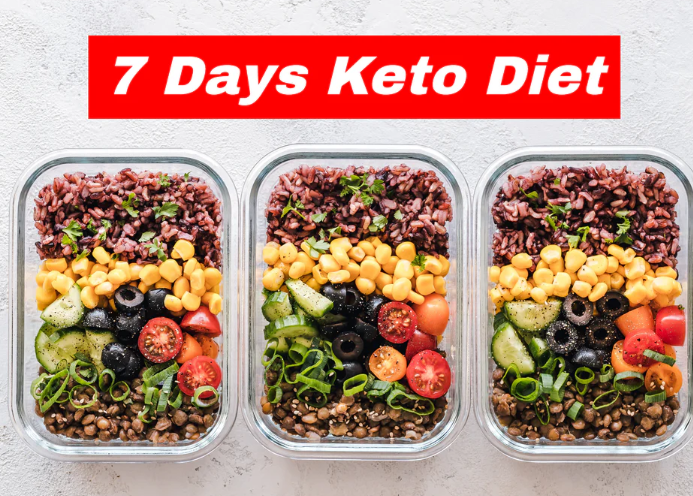
The keto diet, short for ketogenic diet, has become one of the most talked-about approaches to nutrition in recent years. Its growing popularity comes from the promise of weight loss, improved energy, and better overall health. While trends often come and go, the keto diet has maintained attention because many people report real, noticeable benefits when they follow it correctly. Understanding how it works and what advantages it may offer can help you decide whether it fits your lifestyle.
At its core, the keto diet is a low-carbohydrate, high-fat way of eating. Instead of relying on carbohydrates like bread, pasta, and sugar for energy, the body shifts into a metabolic state called ketosis. In ketosis, the body uses fat as its primary fuel source, converting it into molecules called ketones that supply energy. This natural process is the foundation of the diet’s benefits.
One of the most widely recognized advantages of the keto diet is its potential for weight loss. When carbohydrate intake is reduced, insulin levels drop, which encourages the body to burn stored fat. Many people also find that they feel fuller for longer periods when eating healthy fats and proteins. This can naturally reduce calorie intake without the need for strict portion control or constant hunger. As a result, weight management may become easier and more sustainable for some individuals.
Another benefit often reported is improved energy stability throughout the day. Traditional diets that rely heavily on carbohydrates can lead to spikes and crashes in blood sugar levels. These fluctuations may cause feelings of fatigue, irritability, or cravings. In contrast, the steady supply of energy from fat metabolism in ketosis can provide a more consistent sense of alertness. Many people describe fewer afternoon slumps and better overall focus once they adapt to this way of eating.
Mental clarity is another area where the keto diet has gained attention. The brain can efficiently use ketones as an energy source, and some individuals report improved concentration and reduced brain fog. While experiences vary, this effect is one reason why some professionals and students explore the keto diet to support productivity and cognitive performance.
The keto diet may also play a role in supporting healthy blood sugar levels. By minimizing carbohydrate intake, the diet reduces the need for large amounts of insulin. This can be particularly beneficial for people who are looking to maintain stable glucose levels. However, anyone with existing health conditions should consult a qualified healthcare provider before making significant dietary changes to ensure the approach is appropriate for their individual needs.
In addition to metabolic benefits, the keto diet can encourage a more mindful relationship with food. Because it limits many processed and sugary items, followers often shift toward whole foods such as vegetables, healthy oils, nuts, seeds, and quality protein sources. This change can lead to a greater awareness of ingredients and nutritional value. Over time, this awareness may support healthier eating habits beyond the diet itself.
Another advantage is the potential reduction in cravings. High-sugar and high-carb foods can sometimes trigger cycles of craving and overconsumption. By reducing these foods and stabilizing blood sugar, many people find that their desire for frequent snacking decreases. This can make it easier to maintain consistent eating patterns and avoid impulsive choices.
The keto diet may also support certain aspects of heart health when followed thoughtfully. Emphasizing healthy fats such as those from avocados, olive oil, and nuts can be part of a balanced approach. It is important, however, to focus on quality rather than simply increasing fat intake. Choosing nutrient-dense options and maintaining variety can help ensure that the diet remains supportive of overall wellness.
Adaptability is another reason why the keto diet appeals to many people. While it has clear guidelines, there is flexibility in how meals can be planned. From simple home-cooked dishes to creative recipes that mimic familiar favorites, the diet allows for personalization. This flexibility can make it easier for individuals to stick with the approach over time, especially when they find meals they genuinely enjoy.
Despite its advantages, it is important to approach the keto diet with realistic expectations. The transition into ketosis can take time, and some people experience temporary side effects as their bodies adjust. Staying hydrated, maintaining proper electrolyte balance, and easing into the diet gradually can help minimize discomfort. Listening to your body and making adjustments as needed is key to a positive experience.
Sustainability is another factor to consider. While some people thrive on a long-term ketogenic lifestyle, others may prefer to use it as a short-term strategy or adapt it into a more moderate low-carb approach. There is no one-size-fits-all solution when it comes to nutrition, and finding what works best for your individual preferences and goals is essential.
It is also worth noting that balance and variety remain important. Even within a keto framework, incorporating a wide range of foods helps ensure that the body receives essential nutrients. Non-starchy vegetables, healthy fats, and adequate protein all play a role in creating a well-rounded diet. Paying attention to food quality can enhance the overall benefits and support long-term health.
In conclusion, the keto diet offers a range of potential advantages, including support for weight management, improved energy stability, reduced cravings, and enhanced mental clarity. Its focus on shifting the body’s primary fuel source from carbohydrates to fat creates a unique metabolic environment that many people find beneficial. At the same time, thoughtful planning and a personalized approach are important to ensure that the diet remains both effective and enjoyable. By understanding how the keto diet works and considering your own needs, you can make an informed decision about whether it is the right path for you.